
Heating Installation in Hebron, OH
Heating installation services in Hebron, OH tailored to your home. Learn about load assessment, warranties, and financing options, get started today.

Heating Installation in Hebron, OH
A properly sized, professionally installed heating system keeps your Hebron, OH home comfortable during cold winters, lowers energy bills, and reduces emergency repairs. Homeowners often look for dependable furnace, boiler, or heat pump installations that match local climate demands, home construction, and long-term efficiency goals.
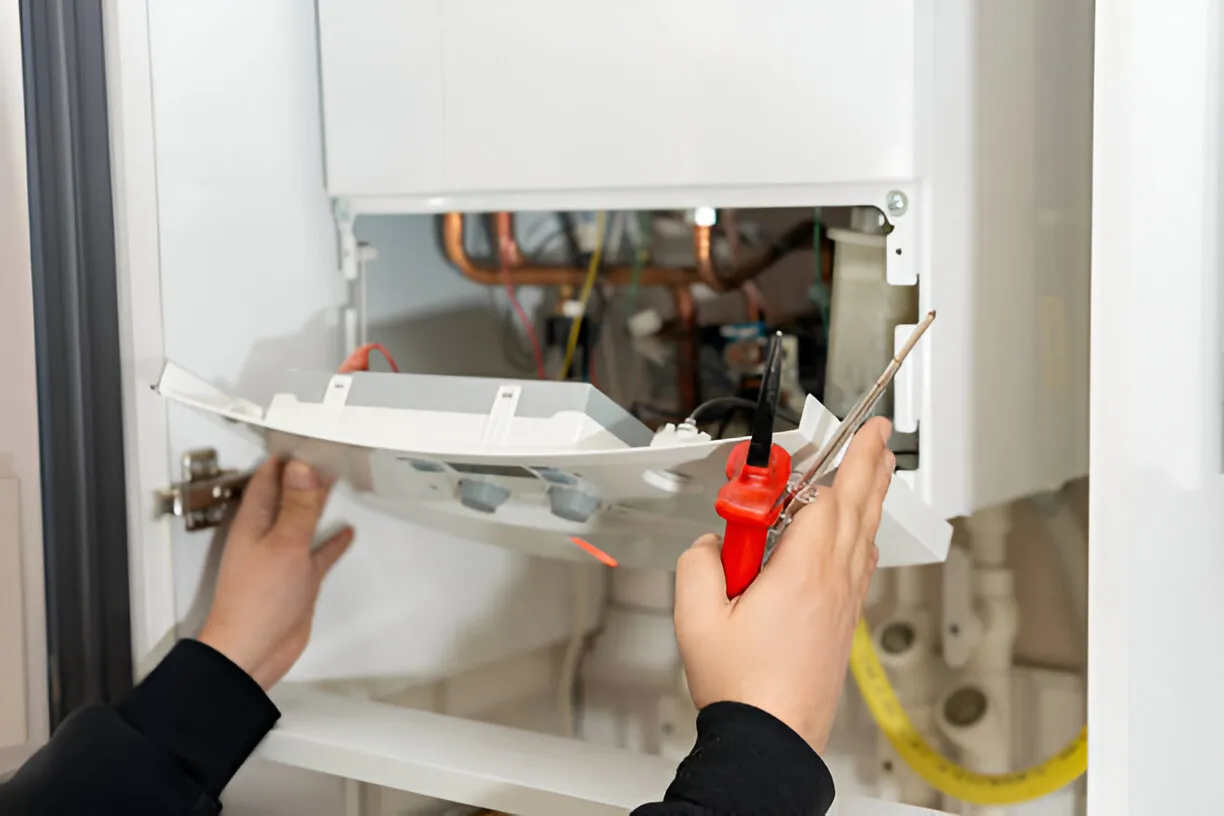
Why a tailored heating installation matters in Hebron, OH
Hebron experiences cold winters with freezing temperatures and periodic snow, so heating systems must deliver consistent output and reliable starting performance. Many area homes have older duct networks, basements, or crawl spaces that affect airflow and distribution. Choosing the right system and size prevents short-cycling, uneven heating, and wasted energy in central Ohio’s variable climate.
Common heating system options for Hebron homes
- Gas furnaces: Popular in central Ohio because of natural gas availability. Look for high-efficiency models (95% AFUE and above) to reduce fuel use and lower operating costs during long heating seasons.
- Electric heat pumps: Modern cold-climate heat pumps maintain efficiency at lower temperatures and can deliver both heating and cooling. Useful for improving overall efficiency, especially on well-insulated homes.
- Dual-fuel systems: Combine a heat pump with a gas furnace for efficient operation across temperature ranges—heat pump at milder temps, furnace during extreme cold.
- Boilers: Hydronic heating is common in older homes or where radiators/baseboards exist. New high-efficiency condensing boilers can dramatically reduce fuel consumption.
- Ductless mini-splits: Ideal for additions, zoned comfort, or homes without existing ductwork. They provide targeted heating and cooling with minimal disruption.
In-home load assessment and system sizing
Proper sizing is the foundation of a successful installation. A thorough load assessment will include:
- A Manual J style calculation considering square footage, ceiling height, insulation levels, window types, orientation, and local design temperatures for Hebron, OH.
- Evaluation of existing ductwork using Manual D principles for airflow and balancing.
- Inspection of insulation, air leaks, and foundation/basement conditions that affect heat loss.
Sizing decisions balance comfort and efficiency. Oversized equipment cycles frequently and shortens components life; undersized equipment struggles to maintain temperature during cold snaps. The result of the assessment is a recommended system type and capacity matched to your home’s needs.
Installation steps and what to expect
- Preparation and permits
- Confirm system selection, final measurements, and any required Ohio or Licking County permits.
- Coordinate delivery and schedule to minimize disruption.
2. Removal of old equipment
- Safe disconnect and removal of existing furnace, boiler, or heat pump, including proper disposal per local codes.
3. Equipment set up
- Mounting or setting of new equipment, secure refrigerant lines or gas connections, and connect to existing ductwork or install new ductwork where needed.
4. Ductwork, ventilation, and controls
- Repair or replace duct sections, add sealing and insulation where required, and install modern thermostats or zoning controls for improved efficiency.
5. System startup and calibration
- Charge refrigerant (heat pumps), set gas pressure, balance airflow, and configure control settings.
Typical timelines
- Small furnace or heat pump replacements in homes with existing clear access: 1 day.
- Boiler replacements or installations requiring piping changes: 1 to 2 days.
- Jobs involving new ductwork, zoning, or structural changes: 2 to 4 days depending on complexity.Weather, permit timing, and parts availability can affect these windows.
Post-installation testing and quality checks
After installation, a comprehensive testing sequence ensures safety and performance:
- Combustion and carbon monoxide safety check for gas-fired equipment.
- Airflow measurement and static pressure testing to confirm ducts deliver correct CFM to each room.
- Refrigerant charge and performance test for heat pumps, including low-temperature operation checks.
- Thermostat calibration and zoning verification to ensure setpoint accuracy and balanced zones.
- Tightness and leak checks for gas and refrigerant lines.
- System run-through at design conditions to confirm the unit meets expected output and cycling behavior.
Documentation typically includes equipment specifications, measured performance numbers, and manufacturer warranty registration information.
Warranties, manufacturer coverage, and permits
New heating systems come with manufacturer base warranties on major components and optional extended warranties that homeowners may purchase. Make sure warranty registration is completed and that installation practices follow manufacturer requirements—improper installation can void coverage. Compliance with Ohio codes and local permit requirements protects you and ensures safe operation.
Financing and incentives
Many homeowners use financing to spread the cost of higher-efficiency equipment. Options commonly include fixed-term loans and payment plans through third-party lenders or manufacturer financing. Additionally, federal, state, and utility incentives occasionally apply to high-efficiency heat pumps, condensing boilers, or furnace upgrades—check current programs for eligibility and documentation requirements.
Common installation issues in Hebron and how they are handled
- Undersized ductwork: Older homes may have undersized or deteriorated ducts. Solutions include duct resizing, adding booster fans, or installing ductless zones.
- Basement and crawlspace losses: Uninsulated basements increase load; addressing insulation and air sealing during the installation improves overall system performance.
- Combustion air and venting: For gas appliances, proper venting and combustion air are essential in tightly built homes. Modern direct-vent systems often resolve these issues.
- Cold-climate performance: In Hebron’s winter, standard heat pumps may need a supplemental heat source. Consider cold-climate models or dual-fuel systems to maintain efficiency.
Long-term benefits and maintenance advice
A correctly installed, properly sized heating system delivers:
- More consistent comfort and fewer cold spots.
- Lower monthly energy costs through higher efficiency and better distribution.
- Extended equipment life with reduced repair frequency.
- Improved indoor air quality when paired with filtration and balanced ventilation.
To protect your investment, schedule annual preventive maintenance: clean burners or coils, inspect heat exchangers or refrigerant circuits, verify controls, and recheck airflow. Regular maintenance preserves efficiency and keeps warranties valid.
Choosing the right heating installation for Hebron, OH means matching system type and size to your home’s specific heat loss profile, local climate demands, and long-term budget goals. With a careful load assessment, attention to ductwork and insulation, and thorough post-install testing, homeowners can achieve dependable comfort and lower operating costs for years to come.
Hot Deals & Cool Savings

.webp)
New Service Agreement Membership
.webp)
Any New Client Service
Next Service for Referring a New Client
New Service Agreement Membership
Any New Client Service
Next Service for Referring a New Client
.webp)
.webp)

Service Areas
