
Heating Installation in New Albany, OH
Heating installation in New Albany, OH: precise load calculations, code-compliant installs, energy-efficient systems, and flexible financing. Learn more.

Heating Installation in New Albany, OH
Choosing the right heating installation for your New Albany home matters more than ever. Winters here are cold, with regular freezing temperatures and occasional heavy snow, so a reliably sized, code-compliant, and energy-efficient system keeps your family safe and comfortable while limiting fuel costs.
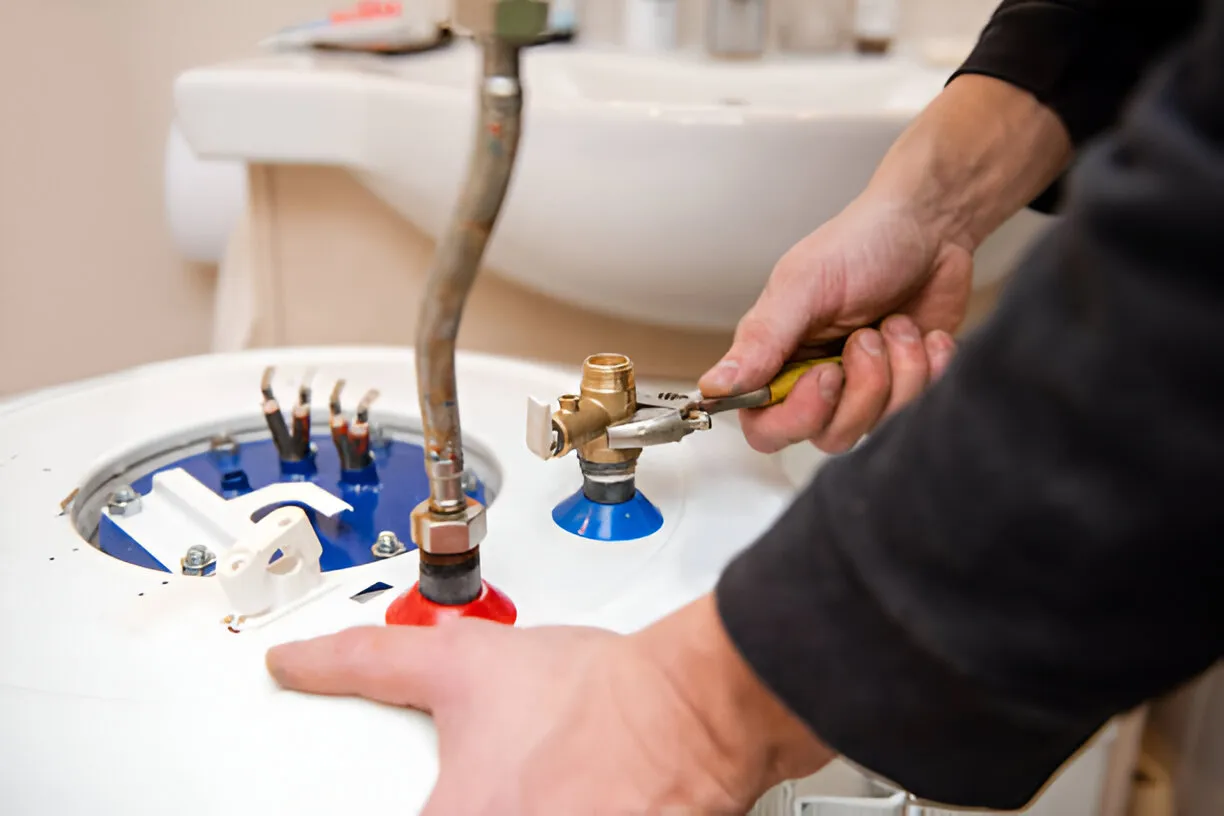
Why proper heating installation matters in New Albany homes
- New Albany’s seasonal extremes demand a system sized for real heating loads, not rule-of-thumb estimates. Undersized equipment runs constantly; oversized equipment cycles inefficiently and shortens component life.
- Many New Albany homes have modern building envelopes and tighter construction, which affects load calculations and ventilation needs.
- Natural gas is common, but electric heat pumps (including cold-climate models) are increasingly popular for efficiency and lower emissions in this region.
Common heating system types and which fit New Albany
- Gas furnaces — high AFUE condensing models are standard for reliable winter performance.
- Electric heat pumps — modern air-source and dual-fuel systems perform well in Ohio when properly sized and can reduce utility costs.
- Boilers — steam or hot water systems are ideal for homes with radiators or hydronic distribution.
- Ductless mini-splits — useful for additions, garages, or homes without ductwork.
- Hybrid systems — combine heat pump efficiency with a gas furnace backup for the coldest days.
Typical issues discovered before installation
- Improperly sized existing equipment (too large or small)
- Damaged or leaky ductwork causing energy loss
- Inadequate combustion air or venting for gas appliances
- Electrical service limitations for high-efficiency units
- Insufficient insulation or air sealing affecting load
Home assessment and load calculations (what to expect)
A thorough installation begins with an on-site assessment and professional load calculation:
- Manual J (load calculation): Measures heat loss and gain for each room based on local climate, orientation, insulation levels, window types, and occupancy patterns.
- Duct evaluation (Manual D): Checks existing duct sizing, leakage, and air distribution to determine if repairs or redesign are needed.
- Distribution and ventilation review: Verifies that combustion air, fresh air ventilation, and exhaust systems meet safe operating standards for New Albany homes.
- Electrical and gas inspection: Confirms capacity for new equipment and identifies required upgrades.
These diagnostics ensure accurate unit sizing, better comfort, and proper system longevity.
Recommended energy-efficient equipment and sizing
- Efficiency metrics to consider: AFUE for furnaces, HSPF/SEER for heat pumps, and Annual Fuel Utilization Efficiency for boilers.
- Right-sizing: Equipment sized precisely to the Manual J results will operate more efficiently and deliver steadier comfort.
- Energy-efficiency choices: Variable-speed blowers, modulating gas valves, two-stage/variable-capacity heat pumps, and high-efficiency condensing boilers provide better comfort control and lower utility bills.
- Controls and thermostats: Smart thermostats and zoning can optimize performance for larger or multi-level New Albany homes.
Permit and code considerations in New Albany, OH
- Permits are typically required for HVAC replacements and new equipment installations. Permitting ensures compliance with Ohio building codes and New Albany municipal codes.
- Gas line changes, venting, combustion air, and electrical connections usually require inspection and sign-off.
- Safety checks include carbon monoxide testing, proper vent termination, and verification of combustion and flue clearances.
- A licensed installer will pull permits, schedule inspections, and ensure installations meet local code and safety standards.
Typical installation timeline
- Initial assessment and quote: 1 to 3 business days for scheduling, followed by same-day or next-day on-site evaluation.
- Design and permit processing: 3 to 10 business days, depending on permit office workload.
- Equipment procurement: Varies; commonly 3 to 14 days unless special-order equipment is required.
- Removal and installation: Most residential replacements take 4 to 12 hours on-site. Complex installs (new ductwork, new gas lines, or boiler conversions) may require 1 to 3 days.
- Inspections and final approvals: Typically scheduled within a few days after installation.
Post-installation testing and homeowner walkthrough
After installation, expect a full commissioning process:
- System startup and verification: Confirm electrical, gas, refrigerant (if applicable), and airflow parameters.
- Combustion analysis and CO check: For gas-fired equipment to ensure safe combustion and venting.
- Airflow balancing: Adjustments to ensure even room-by-room comfort.
- Thermostat setup and scheduling: Program controls for efficiency and comfort.
- Walkthrough: Technician explains operation, maintenance intervals, filter types, and warranty coverage.
Warranty, rebate, and financing information
- Manufacturer warranties: Typically cover major components (compressors, heat exchangers) for specified years; parts and labor coverage varies. Keep documentation and register equipment when required.
- Labor warranties: Many installers provide a labor warranty for a set period after installation.
- Rebates and tax incentives: New Albany homeowners may be eligible for local utility rebates, state incentives, or federal tax credits for high-efficiency systems and qualifying heat pumps. Eligibility often depends on model efficiency and installation specifics.
- Financing options: Financing and payment plans may be available through lenders or installer partnerships to spread the cost of high-efficiency upgrades. Review terms, rates, and payment schedules before committing.
Preparing your home for installation
- Clear a 3- to 6-foot work area around the furnace, boiler, or outdoor unit access.
- Secure pets and keep children away from work zones.
- Provide access to attics, basements, and crawlspaces as needed.
- Turn off smart thermostats or provide access codes for technicians to configure new controls.
- Plan for short heating downtime during equipment changeover, especially on cold days.
Longer-term benefits and maintenance advice
A properly installed heating system delivers:
- Improved comfort with consistent temperatures and humidity control
- Lower heating bills through higher efficiency and better controls
- Longer equipment life when matched correctly to the home and maintained regularly
- Better indoor air quality with properly sealed ducts and optional filtration or humidification
Regular preventative maintenance, such as annual tune-ups, filter replacement, and periodic duct inspections, preserves efficiency and keeps warranties intact.
Heating installation in New Albany, OH requires attention to local climate demands, accurate load calculations, code compliance, and careful commissioning. When each step — assessment, permitting, proper sizing, professional installation, and post-install testing — is done correctly, homeowners gain reliable warmth, lower energy costs, and peace of mind for winters to come.
Hot Deals & Cool Savings

.webp)
New Service Agreement Membership
.webp)
Any New Client Service
Next Service for Referring a New Client
New Service Agreement Membership
Any New Client Service
Next Service for Referring a New Client
.webp)
.webp)

Service Areas
