
Furnace Replacement in New Albany, OH
Furnace replacement in New Albany, OH—get expert installation, sizing, and financing options for safer, more efficient heating. Learn more.

Furnace Replacement in New Albany, OH
Replacing a furnace is one of the most impactful home upgrades for comfort, safety, and long-term energy savings in New Albany, OH. With cold central Ohio winters, aging equipment and inefficient systems can raise heating bills, cause uneven temperatures, or fail at the worst times.
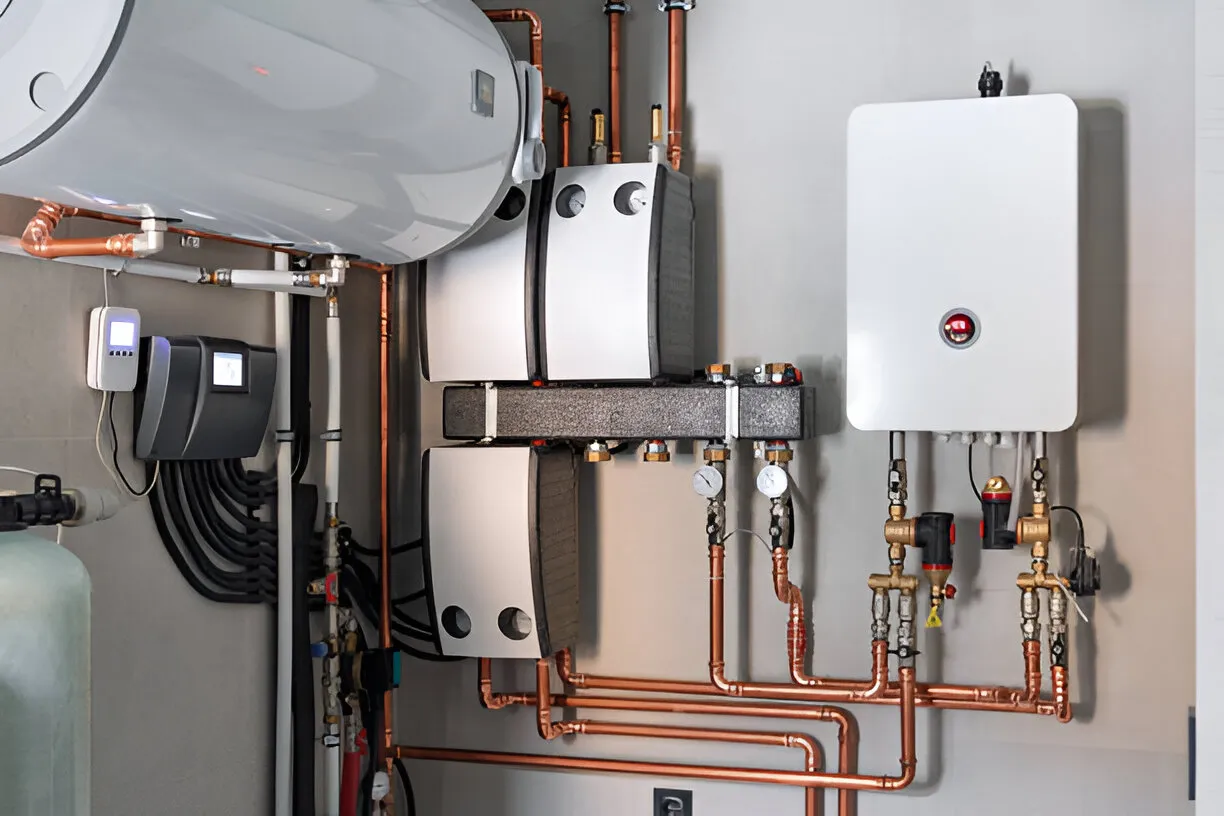
Why New Albany homes often need furnace replacement
- Cold, snowy winters and occasional deep freezes drive heavier seasonal use, accelerating wear on older furnaces.
- Many New Albany houses include a mix of older and newer construction; older systems are often undersized or have outdated venting and ductwork.
- Rising efficiency standards mean older high-energy-use systems are less cost-effective than modern high-efficiency furnaces or heat-pump solutions.
- Signs that replacement may be preferable to repair: frequent breakdowns, rising fuel bills despite maintenance, repeated component failures, and unsafe combustion indicators like yellow burner flames or rusted heat exchangers.
Common furnace replacement options and recommended models
When evaluating furnace replacement in New Albany, OH, professionals typically consider:
- High-efficiency gas furnaces (condensing): Best for homes on natural gas that need top fuel efficiency. Look for high AFUE ratings and modulating burners for consistent comfort.
- Two-stage or variable-speed gas furnaces: Provide better temperature control, quieter operation, and improved humidity handling — helpful in homes with limited ductwork balancing.
- Electric furnaces: Simpler equipment for homes without gas service, but can be more expensive to operate depending on electricity costs.
- Heat pumps and dual-fuel systems: Modern cold-climate heat pumps can be a viable alternative in many Ohio homes, often paired with a gas furnace in a dual-fuel setup for peak-efficiency across seasons.
- ENERGY STAR and manufacturer-certified models: Prioritize units with proven reliability, good warranty coverage, and local serviceability.
Recommended performance features to request:
- AFUE rating appropriate for your fuel type (higher AFUE = greater efficiency)
- Variable-speed blower for improved comfort and quieter operation
- Two-stage or modulating gas valve for consistent heat output
- Compatible high-efficiency air filtration and humidification options for winter air quality
Assessment: how existing equipment is evaluated
A proper replacement begins with a comprehensive assessment:
- Visual inspection of the furnace, venting, and combustion components
- Evaluation of fuel supply (gas line size and pressure or electrical capacity)
- Ductwork inspection for leaks, insulation, and airflow balance
- Heat loss calculation (Manual J) to determine correct furnace size for the home
- Inspection of thermostat compatibility and controls
- Review of venting and flue requirements, including possible need for direct-venting or PVC for condensing units
- Identification of any required permits or code upgrades
A correct size and matched system are crucial. Oversized furnaces short-cycle, causing poor humidity control and wear; undersized units run continuously and fail to keep the home warm during New Albany cold snaps.
Sizing and compatibility considerations
- Use a Manual J heat load calculation rather than rule-of-thumb sizing.
- Account for insulation levels, window types, orientation, and local climate loads typical to New Albany and central Ohio.
- Check duct system capacity and static pressure; many older ducts require sealing, insulation, or modifications when installing modern high-efficiency equipment.
- Verify gas line capacity and exhaust venting options; condensing furnaces require condensate drainage and often PVC venting.
- Confirm electrical supply and breaker space for motors, controls, and any auxiliary heat components.
Installation process: step-by-step overview
- Pre-install planning: confirm size, equipment location, venting route, and permit needs.
- Safe shutdown and gas/electric isolation of existing unit.
- Removal and disposal of the old furnace (see below).
- Prep of the installation area: ensuring proper clearances, platform or mounting, and duct transitions.
- Installation of new unit, gas/electrical connections, venting, condensate drainage (if applicable), and safety devices.
- Duct sealing and balancing to optimize airflow.
- Thermostat installation and system control setup; calibration to ensure accurate temperature control.
- Start-up, combustion testing, and safety checks (carbon monoxide, gas leaks, vent draft).
- Final inspection and documentation for permits and warranties.
Removal and disposal of the old furnace
- Proper dismantling: gas lines capped and secured, electrical disconnected, and flue safely removed or sealed.
- Environmentally responsible disposal: metal recycling and disposal of components per local regulations.
- If the old unit contains any hazardous materials or oil, they are handled under applicable Ohio rules.
- Proper documentation of disposal can be important for inspections or warranty transfers.
Expected costs and financing options
Costs vary based on system type, home size, ductwork condition, and any necessary upgrades or permit work. Typical factors that affect the total include:
- Equipment efficiency level and brand
- Scope of ductwork repair or replacement
- Complexity of venting or gas-line upgrades
- Need for electrical upgrades, condensate pumps, or indoor air quality accessories
- Local permit and inspection fees
Financing options commonly available for furnace replacement:
- Flexible installment plans through third-party lenders
- Deferred-interest or fixed-term loans for equipment purchases
- Local contractor finance programs with varying terms and credit requirements
When comparing quotes, ensure each includes the same scope: equipment model and efficiency, duct work details, permit and inspection responsibilities, and warranty coverage. Transparent, line-item estimates help you compare value rather than just sticker price.
Warranty and post-installation protection
- Manufacturer warranty: covers major components (heat exchanger, parts) for a specified period. Higher-efficiency models often include longer parts warranties when registered.
- Labor warranty: covers installation workmanship for a contractor-specified period. Confirm length and what it includes.
- Extended warranties and service agreements: can provide peace of mind for parts and labor beyond standard coverage.
- Registration and documentation: register the new furnace per manufacturer instructions and retain installation paperwork for future service or resale.
Benefits of timely furnace replacement and maintenance tips
Replacing an aging furnace in New Albany can:
- Reduce heating costs through higher AFUE performance
- Improve home comfort with more consistent heat and quieter operation
- Increase safety by eliminating risks associated with damaged heat exchangers or venting issues
- Add resale value and modern controls like programmable or smart thermostats
Maintenance tips to extend system life:
- Schedule annual heating tune-ups prior to winter
- Replace filters regularly and use the filter size and MERV rating recommended for your system
- Keep supply and return registers clear and maintain adequate attic and crawl space insulation to reduce load
- Monitor CO detectors and ensure vents and flues remain unobstructed during heavy snow
Choosing the right furnace replacement for New Albany, OH means matching equipment to your home’s heat load, ductwork, and long-term energy goals. Proper assessment, correct sizing, and professional installation are the most important steps to ensure comfort, safety, and predictable operating costs through Ohio winters.
Hot Deals & Cool Savings

.webp)
New Service Agreement Membership
.webp)
Any New Client Service
Next Service for Referring a New Client
New Service Agreement Membership
Any New Client Service
Next Service for Referring a New Client
.webp)
.webp)

Service Areas
