
Heat Pump Tune-Up in New Albany, OH
New Albany, OH heat pump tune-up improves efficiency, prevents mid-season breakdowns, and extends system life. Learn more and schedule today.

Heat Pump Tune Up in New Albany, OH
Keeping your heat pump tuned and optimized is one of the most effective ways to protect comfort, reduce energy costs, and avoid emergency repairs in New Albany homes. A professional heat pump tune-up inspects critical electrical and mechanical components, restores peak performance, and confirms the system is ready for Ohio’s humid summers and freezing winters. Below is a clear, expert overview of what a tune-up includes, common local issues, the typical service process, recommended timing, and practical maintenance tips tailored to New Albany, OH.
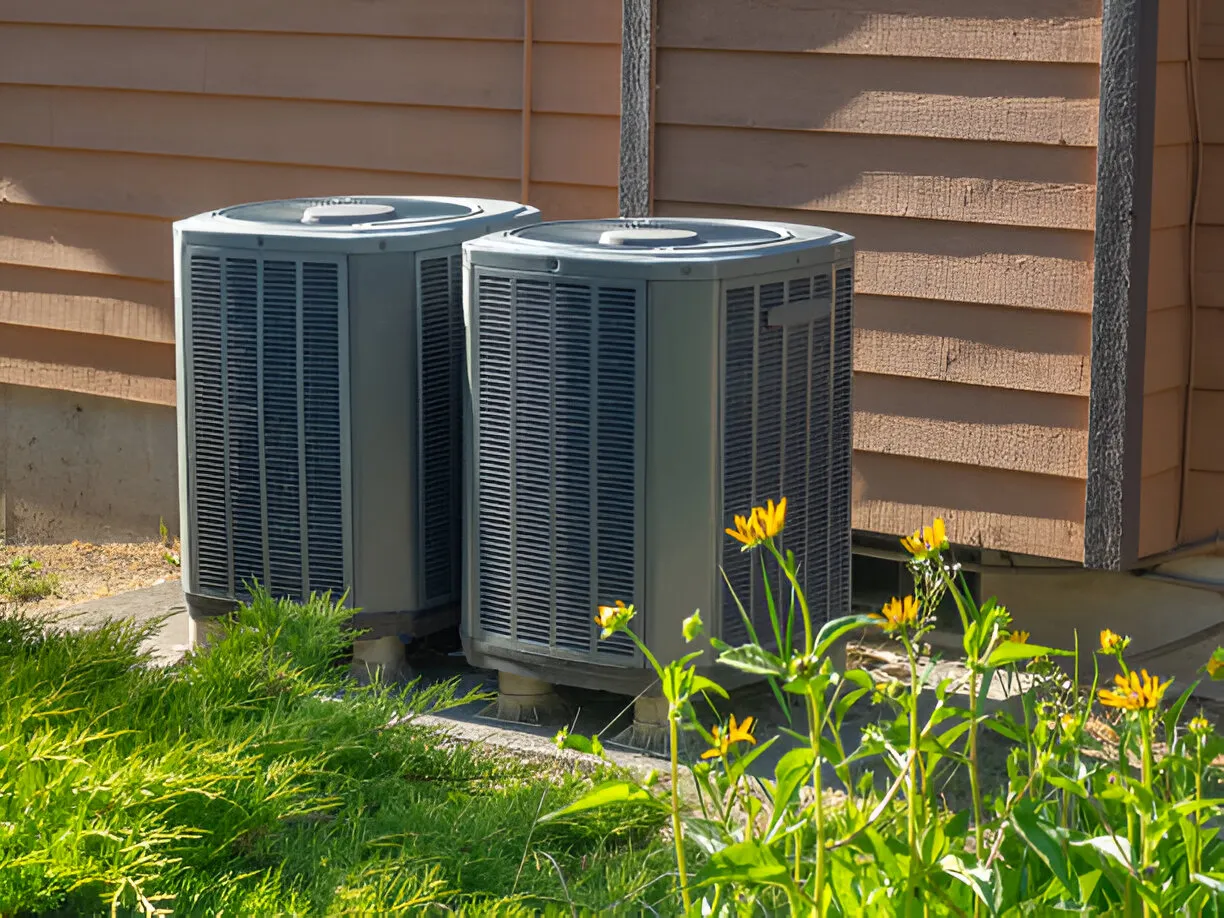
Why a Heat Pump Tune-Up Matters in New Albany, OH
New Albany experiences humid summers and cold winters, which place seasonal stress on heat pump systems that are used for both heating and cooling. Regular tune-ups:
- Restore efficiency so systems run less and cost less during high-demand months.
- Reduce the risk of mid-season breakdowns when repair access can be limited.
- Help prevent freeze-ups and defrost cycle problems in winter and airflow or refrigerant issues in summer.
- Preserve warranty requirements and extend the life of major components like compressors and reversing valves.
For homes in New Albany, where temperature swings and humidity are common, a properly tuned heat pump keeps indoor comfort consistent while limiting energy waste.
What a Heat Pump Tune-Up Includes
A comprehensive tune-up covers electrical, refrigerant, mechanical, and performance checks. Typical components of a full service include:
- Visual and operational inspection of outdoor and indoor units
- Inspection of electrical components and connections for wear, corrosion, and proper tightness
- Motor and fan lubrication where applicable to reduce friction and noise
- Coil cleaning (evaporator and condenser) to restore heat transfer efficiency
- Refrigerant level check and pressure measurement to identify leaks or undercharge
- Defrost cycle and reversing valve operation check for reliable winter performance
- Thermostat calibration and control system verification
- Safety controls testing (high/low pressure switches, contactors, and fuses)
- Airflow assessment (filter condition, blower motor operation, and basic duct inspection)
- Condensate drain inspection and clearing to prevent backups and water damage
- Performance optimization: measured operating temperatures, amperage draw, and target adjustments to maximize efficiency
- Written summary of findings and recommended repairs or parts replacement
Technicians use simple diagnostic tools and gauges to verify performance. The result is a tuned system that runs cleaner, quieter, and more reliably.
Common Heat Pump Issues in New Albany Homes
New Albany homes commonly face several recurring issues due to local climate and home construction characteristics:
- Dirty or blocked coils from pollen and seasonal debris, reducing cooling capacity in summer
- Defrost cycle failures and icing during prolonged cold snaps, limiting heating ability
- Refrigerant leaks that reduce efficiency and strain compressors
- Worn electrical connections or failing capacitors after years of cycling between heating and cooling
- Reduced airflow caused by clogged filters, undersized or leaky ducts, or fans needing lubrication
- Short cycling or thermostat miscalibration leading to comfort problems and higher bills
Identifying these issues during a tune-up prevents escalation into larger repairs and keeps systems within manufacturer specifications.
The Tune-Up Process — What to Expect
A professional tune-up is systematic and focused on both safety and performance. Typical steps:
- System intake: technician documents make/model, service history, and symptoms
- Safety checks: power isolation, visual inspection for obvious hazards
- Electrical inspection: measure voltages, amperage, check contactors, capacitors, and wiring tightness
- Airflow and filter check: inspect and advise on filter replacement; test blower operation
- Coil and cabinet cleaning: remove surface dirt and buildup to restore airflow and heat transfer
- Refrigerant and pressure checks: verify charge and search for signs of leakage if pressures are out of range
- Functional tests: run the system in heating and cooling modes, observe defrost cycles, reversing valve, and thermostat response
- Performance verification: measure temperature splits and operating characteristics to ensure proper function
- Report and recommendations: provide a clear summary of observed issues and prioritize repairs or replacements needed
Most tune-ups take about 60 to 90 minutes for a standard residential heat pump but can take longer for multi-stage or complex systems.
Recommended Frequency and Seasonal Timing
For New Albany conditions, scheduling tune-ups seasonally offers the best protection:
- Twice yearly is ideal: once before the heating season (fall) and once before the cooling season (spring).
- At minimum, schedule an annual inspection; however, homes with high usage, older equipment, or recent performance issues benefit from biannual service.Seasonal tune-ups ensure your system is ready for peak operation and that small maintenance items are handled before they become larger problems.
Service Scope, Time and What Influences Service Needs
The extent of work required during a tune-up depends on system age, type, and installation conditions:
- Newer, well-maintained systems typically need less corrective work and shorter visits.
- Older units or neglected systems may require more time for cleaning, part replacement, or refrigerant repair.
- Airflow issues tied to ductwork, insulation, or home layout can extend diagnosis time and may be handled separately from the heat pump tune-up.Technicians will document any recommended repairs and prioritize safety-related items, like faulty capacitors or damaged electrical connections, to prevent failures.
Final Benefits and Ongoing Maintenance Tips
A properly executed tune-up delivers measurable benefits: improved efficiency, steadier comfort, fewer emergency calls, and longer equipment life. To maintain those benefits between professional visits:
- Replace or inspect air filters every 1–3 months during heavy use seasons.
- Keep the outdoor unit clear of leaves, grass, and debris; maintain at least 2 feet of clearance.
- Monitor for unusual sounds or performance drops and note patterns (e.g., frequent short cycling or longer run times).
- Keep thermostat batteries fresh and settings consistent to reduce unnecessary cycling.
Regular tune-ups tailored to New Albany’s seasonal demands protect comfort and energy budgets while minimizing unexpected repair disruption. By understanding what a tune-up covers and when it’s most effective, homeowners can make informed decisions that preserve their heat pump investment and sustain reliable year-round comfort.
Hot Deals & Cool Savings

.webp)
New Service Agreement Membership
.webp)
Any New Client Service
Next Service for Referring a New Client
New Service Agreement Membership
Any New Client Service
Next Service for Referring a New Client
.webp)
.webp)

Service Areas
