
Heat Pump Tune-Up in Hebron, OH
Heat Pump Tune Up Service in Hebron, OH to boost efficiency, prevent breakdowns, and extend life. Schedule your service today.

Heat Pump Tune Up in Hebron, OH
Keeping your heat pump tuned and operating reliably is essential for year-round comfort in Hebron, OH. With hot, humid summers and cold winters that put extra strain on equipment, a professional heat pump tune up helps prevent breakdowns, improves efficiency, and extends the life of your system.
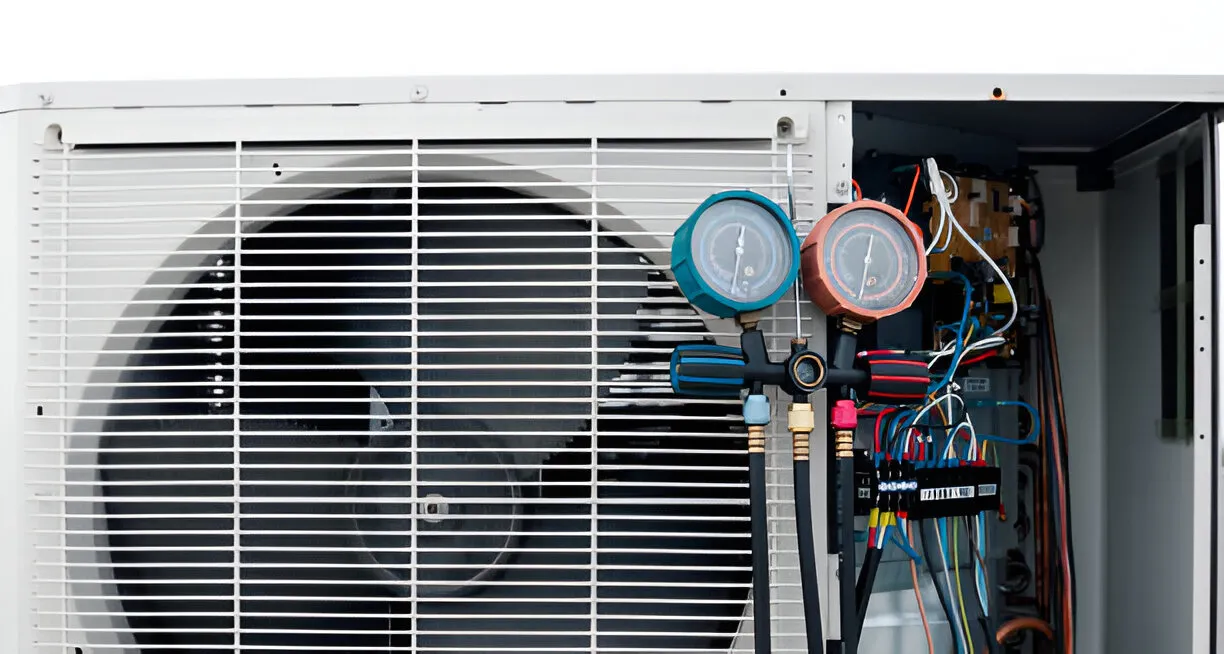
Why a tune up matters for Hebron, OH homes
Hebron experiences seasonal extremes and high humidity that affect heat pump performance. Spring pollen and summer dust clog coils and filters, reducing airflow and efficiency. Winter cold and freeze-thaw cycles can cause icing and stress components. Additionally, rural and suburban properties often expose outdoor units to road salt and debris, accelerating corrosion. Regular tune ups address these local challenges so your system runs more reliably through heating and cooling seasons.
Typical tasks performed during a heat pump tune up
A comprehensive heat pump tune up is a methodical inspection and maintenance procedure. Key tasks include:
- Cleaning coils and filters: Remove dirt, pollen, and grime from indoor and outdoor coils and replace or clean air filters to restore proper airflow and heat transfer.
- Checking refrigerant levels and pressures: Measure refrigerant pressure and charge against manufacturer specifications to ensure efficient heat transfer and identify slow leaks.
- Tightening electrical connections: Inspect and tighten electrical terminals, relays, and breakers to reduce fire risk and intermittent failures caused by loose connections.
- Testing capacitors and contactors: Verify starting and run capacitors plus contactor operation to prevent hard starts and compressor stress.
- Lubricating moving parts: Lubricate fan motors and bearings where applicable to reduce wear and noise.
- Calibrating controls and thermostats: Confirm thermostat accuracy, sensor operation, and proper cycling of reversing valves and defrost controls.
- Inspecting defrost cycle and reversing valve: Ensure the heat pump transitions to defrost mode correctly and that the reversing valve operates smoothly.
- Verifying airflow and duct performance: Measure static pressure and airflow where accessible; recommend duct cleaning or sealing if airflow is restricted.
- Producing a service report: Document measured temperatures, pressures, electrical readings, filter condition, and any findings or recommended repairs.
How technicians diagnose common heat pump issues
During a tune up, technicians follow a checklist and use diagnostic tools to find root causes, not just symptoms. Typical diagnostic steps include:
- Visual inspection: Look for corrosion, damaged fins, refrigerant oil stains (potential leak indicator), and debris around the outdoor unit.
- Temperature split testing: Compare supply and return air temperatures to assess heat transfer efficiency.
- Refrigerant testing: Use gauges and leak detectors to confirm charge and pinpoint leaks.
- Electrical testing: Use a multimeter to check voltage, current draw, and continuity for motors, capacitors, and contactors.
- Defrost and control checks: Simulate conditions to verify defrost timing and control logic.
- Airflow assessment: Check filter condition, register balance, and blower motor performance to ensure proper airflow.
Technicians document readings and rank issues by urgency so homeowners know what requires immediate attention and what can be deferred.
Common heat pump issues in Hebron, OH and how tune ups prevent them
Hebron homes commonly face the following problems that routine tune ups help prevent or correct:
- Reduced cooling capacity in summer: Often caused by dirty coils or low refrigerant. Cleaning and pressure checks restore capacity and efficiency.
- Icing in winter: Restricted airflow or faulty defrost control leads to ice buildup. Tune ups identify airflow restrictions and verify defrost operation.
- Short cycling or frequent tripping: Loose electrical connections or failing capacitors cause unstable performance. Tightening and component testing reduce trips and protect the compressor.
- Noisy operation: Worn bearings or loose mounts create vibration and noise. Lubrication and fastener tightening resolve many noise issues.
- Gradual efficiency loss: Dirty components and miscalibrated controls lower seasonal energy efficiency. Regular maintenance restores design performance and keeps energy costs down.
- Corrosion and outdoor damage: Rust and debris around outdoor units reduce lifespan. Cleaning and protective recommendations limit future damage.
What a service report includes and why it matters
After a tune up, technicians provide a clear service report that typically includes:
- Measured temperatures, refrigerant pressures, and electrical readings
- Condition of coils, filters, and electrical components
- Actions taken during the tune up (cleaning, lubrication, adjustments)
- Recommended repairs or parts replacements, with urgency levels
- Estimated next maintenance interval and any seasonal considerations
A service report creates a record that helps track system health over time, supports warranty compliance, and gives objective data to inform repair decisions.
Benefits of regular heat pump maintenance
Scheduling routine tune ups provides measurable advantages:
- Improved efficiency and lower energy bills: Clean coils, correct refrigerant charge, and calibrated controls restore design efficiency.
- Fewer unexpected breakdowns: Early detection of worn parts and loose connections reduces emergency repairs.
- Longer equipment life: Routine lubrication and preventive replacements reduce wear and extend compressor and motor life.
- Better indoor comfort: Proper airflow, accurate thermostat control, and consistent heat transfer maintain even temperatures.
- Safety and reliability: Electrical tightening and component testing reduce fire risk and avoid hazardous failures.
Recommended timing and frequency
For Hebron conditions, most heat pump manufacturers and HVAC professionals recommend at least two maintenance visits per year: one in spring before heavy cooling demand and one in fall before heating season. Annual inspections are a minimum; homes with pets, high dust, or heavy pollen may benefit from more frequent filter checks and mid-season inspections.
Final considerations
A professional heat pump tune up is an investment in reliability, efficiency, and comfort—especially in Hebron, OH where seasonal temperature swings and humidity place unique demands on equipment. A thorough tune up that includes cleaning, refrigerant and electrical checks, lubrication, and calibration not only prevents many common problems but also provides a documented baseline for future service decisions and better long-term performance. Regular maintenance keeps your system running efficiently, reduces the risk of costly failures, and helps you get the most from your heat pump in every season.
Hot Deals & Cool Savings

.webp)
New Service Agreement Membership
.webp)
Any New Client Service
Next Service for Referring a New Client
New Service Agreement Membership
Any New Client Service
Next Service for Referring a New Client
.webp)
.webp)

Service Areas
