
Heat Pump Replacement in Hebron, OH
Heat pump replacement in Hebron, OH: learn evaluation steps, proper sizing for local climate, removal, financing options, and warranty-friendly aftercare.

Heat Pump Replacement in Hebron, OH
Upgrading a failing or undersized heat pump can restore comfort, lower energy bills, and improve reliability for Hebron, OH homes.
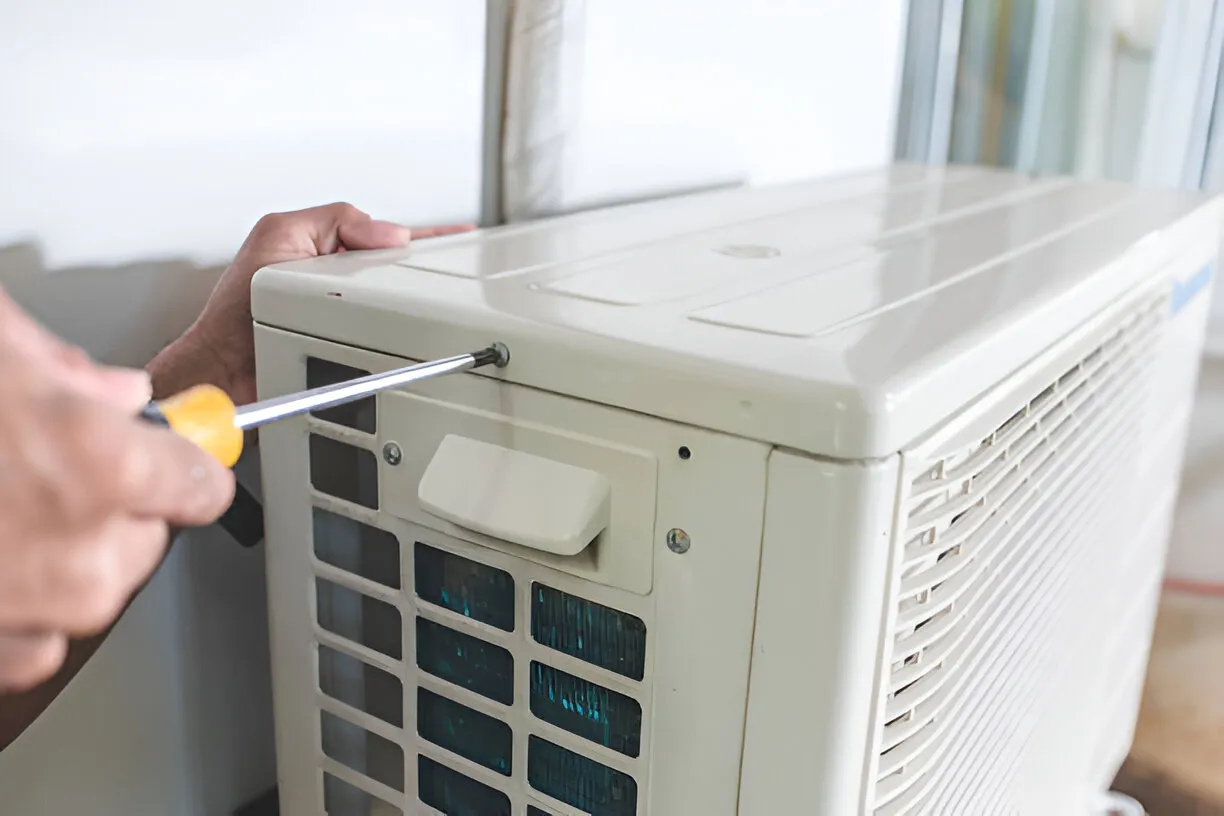
Common signs your heat pump in Hebron needs replacement
- Age and frequent breakdowns: Most heat pumps begin to lose efficiency and require more repairs after 10 to 15 years. If service calls are frequent, replacement is often more cost-effective than continuing repairs.
- Rising energy bills with no change in usage: Gradual efficiency loss from worn compressors, leaking refrigerant, or degraded coils shows up as higher electric costs.
- Insufficient heating in cold months: Hebron winters can be cold. If your heat pump struggles to maintain temperature on the coldest days, especially when outdoor units run continuously, it may be undersized or failing.
- Short cycling or noisy operation: Rapid on/off cycles or loud vibrations indicate internal wear, improper charge, or control problems.
- Ice buildup or refrigerant leaks: Frozen coils, visible refrigerant oil, or low refrigerant levels are repairable but may justify replacement if recurring.
- Poor humidity control in summer: Ohio’s humid summers can expose older systems that don’t dehumidify effectively, making replacement with a variable-speed unit attractive.
How a professional evaluation works in Hebron
A proper replacement decision starts with a thorough evaluation that balances system condition, home needs, and local climate factors.
- System age and repair history review: Technicians document previous failures, parts replaced, and maintenance frequency to project future reliability.
- Performance diagnostics: Measured airflow, refrigerant pressures, temperature splits, and electrical load tests determine current capacity and efficiency loss.
- Home load and duct assessment: A sizing analysis (Manual J) checks insulation levels, window orientation, ceiling heights, and duct leakage common in older Hebron homes to determine the correct heat pump capacity.
- Cost vs. benefit analysis: Evaluating remaining life expectancy and estimated operating costs versus replacement with a new efficient model helps homeowners decide objectively.
Choosing an energy-efficient model and correct sizing
Selecting the right heat pump is critical for comfort in Hebron’s seasonal extremes.
- Energy-efficiency metrics to watch: Look for higher SEER (cooling) and HSPF (heating) ratings. Modern inverter-driven, variable-speed compressors deliver better part-load efficiency and quieter operation.
- Cold-climate performance: Choose units rated for low ambient temperatures if winter performance is a priority. Cold-climate air-source heat pumps or dual-fuel systems (heat pump plus furnace backup) are common solutions in the region.
- Correct sizing matters: Oversized units short-cycle and worsen humidity control; undersized units run continuously and wear faster. A professional load calculation yields the right tonnage, taking into account Hebron’s humidity and insulation levels.
- Ducted vs ductless options: Ductless mini-splits are effective for room-by-room upgrades or homes with poor ductwork. For homes with existing duct systems, ensure ducts are sealed and insulated to maximize new equipment efficiency.
Removal and disposal of old equipment
Proper decommissioning protects the environment and complies with regulations.
- Refrigerant recovery: Certified technicians must safely recover and recycle refrigerant per EPA rules to prevent atmospheric release.
- Responsible recycling: Metal, copper, and electronic components are separated and recycled. Compressors and oil are handled according to environmental standards.
- Site restoration: Removal includes safe dismantling of the old pad or wall brackets and preparing the site for the new unit with correct mounting and clearances.
Financing and rebate options available in the area
Replacing a heat pump is an investment; various financing and incentive paths commonly apply.
- Manufacturer incentives and dealer financing: Many manufacturers and installers offer seasonal financing plans and promotional rebates.
- Local utility rebates and programs: Electric utilities and local energy efficiency programs often provide rebates for high-efficiency equipment and heat pump installations. Availability varies, so checking local programs in Licking County or nearby service areas is advisable.
- Federal tax incentives: Federal energy tax credits for qualifying high-efficiency heat pumps may reduce upfront costs; eligibility depends on model specifications and current tax law.
- Low-interest loans and energy-efficiency financing: Home energy loans or PACE-style programs can spread payments over time, improving short-term affordability.
Typical installation timeline
From decision to comfortable operation, timelines vary by complexity.
- Evaluation and selection: 1 to 7 days, depending on scheduling. This includes load calculations, model selection, and paperwork for permits or incentives.
- Permit and procurement: 3 to 10 days for permits and equipment ordering, longer if special components or a custom duct retrofit is required.
- Removal and installation: Most straightforward replacements for standard split systems take 1 to 2 days. More complex jobs - ductwork upgrades, mini-split multi-zone installs, or dual-fuel integrations - can take 2 to 5 days.
- Final testing and commissioning: Technicians will test controls, refrigerant charge, airflow, and safety systems before turning the system over, typically the final day of installation.
Warranty, registration, and aftercare
Long-term performance depends on proper registration and routine care.
- Manufacturer and labor warranties: New systems usually come with component and compressor warranties; labor warranties vary by installer. Register products promptly to preserve full warranty benefits.
- Maintenance plans: Annual tune-ups, filter replacement, coil cleaning, and refrigerant checks keep efficiency high and protect warranties. For Hebron homes, scheduling a fall heat-check and a spring cooling tune-up is advisable.
- Monitoring and remote controls: Many modern heat pumps include smart thermostats or remote diagnostics that help detect performance drops early and optimize humidity control during humid Ohio summers.
- When to consider service vs replacement: If a system is under warranty or only slightly underperforming, targeted repairs may be best. If age, recurring failures, or poor cold-weather performance are present, replacement provides longer-term savings and comfort.
Replacing a heat pump in Hebron, OH is a balance of comfort, efficiency, and long-term cost. A careful evaluation, correct sizing for local climate conditions, responsible disposal, and understanding available incentives will help homeowners choose the right system and maximize its lifespan and performance. Regular maintenance and proper warranty registration complete the path to reliable year-round comfort.
Hot Deals & Cool Savings

.webp)
New Service Agreement Membership
.webp)
Any New Client Service
Next Service for Referring a New Client
New Service Agreement Membership
Any New Client Service
Next Service for Referring a New Client
.webp)
.webp)

Service Areas
