
Heat Pump Replacement in OSU, OH
Heat Pump Replacement OSU, OH: Learn when replacement beats repair, how pros size systems, financing, rebates, and warranties. Learn more.

Heat Pump Replacement in OSU, OH
Replacing a heat pump is a major decision for Ohio State University area homes. In OSU, OH, where winters are cold and summers can be humid, choosing the right heat pump and installing it correctly affects comfort, year-round energy use, and long-term costs.
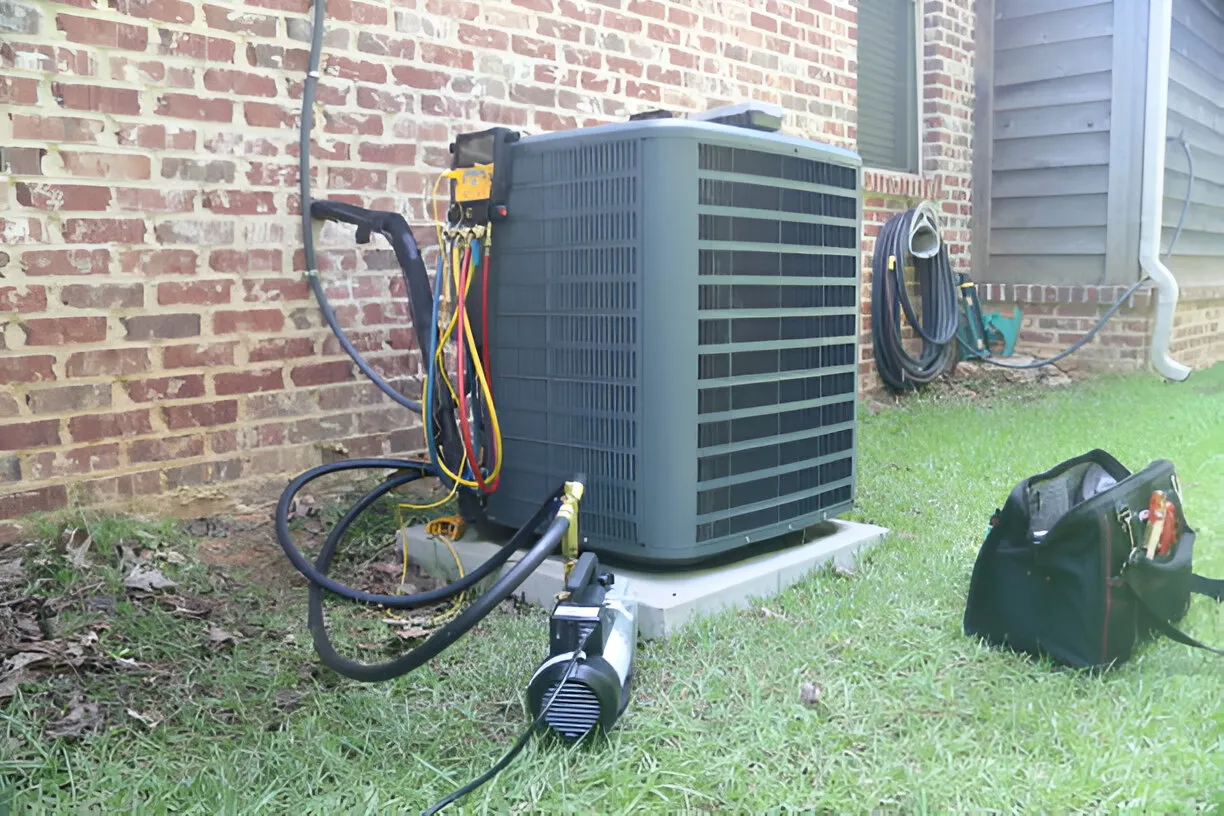
When replacement is recommended versus repair
Consider replacement when one or more of the following apply:
- System age: older heat pumps typically lose efficiency and become costlier to operate and repair.
- Frequent breakdowns: repeated repairs signal underlying wear and increased risk of failure.
- Rising energy bills without clear cause: declining efficiency often shows up as higher utility costs.
- Comfort issues that repairs do not fix: uneven heating or cooling, inadequate capacity, or persistent humidity problems.
- Refrigerant phase-out or leaks: systems using obsolete refrigerants may require expensive retrofits or cannot be reliably repaired.
- Component obsolescence: replacement parts may be scarce for older models.
In OSU, OH, modern cold-climate air-source heat pumps can maintain comfort even in lower temperatures, so replacement often yields better winter performance and lower electric heating costs compared with older units or inefficient electric backup heat.
Assessment and load-calculation process
A thorough assessment ensures the replacement system matches your home’s needs:
- Initial inspection: review existing equipment, ductwork, insulation, thermostat, and electrical panel capacity.
- Record of performance: note past repair history, refrigerant type, and any comfort complaints.
- Manual J load calculation: a certified load calculation estimates heating and cooling demand based on home size, orientation, insulation, windows, and local climate conditions in OSU, OH.
- Duct evaluation: measure airflow and inspect for leaks, blockages, or undersized ducts that reduce efficiency and comfort.
- Electrical review: verify breaker capacity and wiring to support modern heat pumps, especially variable-speed units.
- Site considerations: evaluate outdoor unit placement for airflow, snow and ice exposure in winter, and noise near living spaces.
Proper load calculation prevents oversizing, which can cause short cycling, humidity problems, and excess wear.
Energy-efficient models and sizing options
Key model and sizing choices to weigh:
- Performance ratings: compare SEER (cooling) and HSPF or HSPF2 (heating) ratings; higher numbers mean better efficiency.
- Cold-climate air-source models: designed to deliver reliable heat at lower temperatures common in Ohio winters.
- Variable-speed inverter compressors: provide smoother temperature control, improved humidity management, and higher part-load efficiency than single-stage units.
- Two-stage units: offer a compromise between comfort and cost, running at lower capacity for most conditions.
- Ground-source (geothermal) heat pumps: highly efficient long-term option with higher initial installation complexity and site requirements.
- Matched systems: ensure outdoor unit, indoor coil, and air handler are compatible to achieve rated performance.
- Right-sizing: prioritize accurate sizing over simply choosing a larger unit. Properly sized systems reduce cycling and improve efficiency.
Discussing model options with a professional lets you balance comfort, long-term operating costs, and upfront investment while accounting for OSU, OH seasonal demands.
Removal and disposal of old equipment
Proper removal follows safety and regulatory steps:
- Certified refrigerant recovery: refrigerant must be recovered by a certified technician to meet federal and state requirements.
- Disconnect and safe removal: electrical disconnection, line set flushing if necessary, and safe dismantling of the old unit.
- Recycling and disposal: metal, plastics, and refrigerant components are recycled or disposed of in accordance with Ohio regulations.
- Documentation: receive records of refrigerant recovery and disposal per local code and warranty requirements.
Responsible disposal minimizes environmental risk and ensures compliance with state and federal rules.
Installation and commissioning steps
A professional installation typically follows this sequence:
- Site preparation: final placement, pad or bracket installation, and canopy or clearance adjustments for airflow and snow management.
- Mechanical and electrical connections: install line sets, condensate drainage, and required electrical wiring or panel upgrades.
- Ductwork modifications: seal and, if needed, resize or rebalance ducts for optimal airflow.
- System charge and leak test: ensure refrigerant charge and system integrity per manufacturer specifications.
- Controls and thermostat setup: install compatible smart or programmable controls and calibrate settings for efficiency.
- Commissioning tests: verify airflow, temperatures, pressures, and system operation across modes to confirm design performance.
- Owner orientation: review basic operation, maintenance tasks, and warranty registration details.
Expect a thorough commissioning step to protect efficiency and warranty coverage.
Cost factors, financing, and rebate information
Replacement cost is driven by:
- System capacity and technology level (variable-speed vs single-stage).
- Complexity of installation, including duct repairs, electrical upgrades, or structural work.
- Whether ground-source systems are chosen, which add excavation cost and site constraints.
- Local permit and inspection requirements.
Financing options commonly include energy-efficient home improvement loans, utility-sponsored programs, and third-party financing tailored to HVAC projects. Rebates and incentives may be available from federal programs for qualifying high-efficiency heat pumps, as well as from state and local utility programs in Ohio. Eligibility often depends on equipment efficiency ratings and installation by a certified contractor. Check local utility and state energy office resources for current programs and documentation requirements.
Warranty and post-installation support
Know what warranties and support to expect:
- Manufacturer warranty: typically covers core components for a set period; higher-efficiency models sometimes include extended compressor coverage.
- Labor warranty: installation labor coverage varies by installer and may be limited in duration.
- Maintenance agreements: routine tune-ups, filter servicing, and annual inspections help sustain performance and preserve warranties.
- Performance follow-up: reputable installers provide system checks after commissioning to confirm real-world performance and make adjustments.
Maintain records of service, receipts, and warranty registration documents to streamline any future claims.
Why replacement makes sense for OSU, OH homes
For OSU, OH residences, a modern heat pump replacement can deliver:
- Better winter heating with cold-climate models and lower reliance on backup electric heat.
- Improved summer comfort and humidity control.
- Year-round energy savings and predictable operating costs.
- Reduced environmental footprint through electrification and high-efficiency equipment.
- Enhanced indoor comfort with quieter operation and more consistent temperatures.
Replacing at the right time—when efficiency loss, age, or repair frequency indicate diminishing returns—protects comfort and long-term value while aligning with local incentives and climate considerations in OSU, OH.
Hot Deals & Cool Savings

.webp)
New Service Agreement Membership
.webp)
Any New Client Service
Next Service for Referring a New Client
New Service Agreement Membership
Any New Client Service
Next Service for Referring a New Client
.webp)
.webp)

Service Areas
