
Heat Pump Installation in OSU, OH
Heat pump installation OSU, OH: expert evaluation, precise sizing, permitting guidance, and professional installation from start to finish. Learn more today.

Heat Pump Installation in OSU, OH
Heat pump installation in OSU, OH is a smart choice for homeowners seeking efficient year-round heating and cooling that handles Ohio summers and cold winters. Proper installation is the difference between a reliable, efficient system and frequent repairs, high energy bills, or comfort problems.
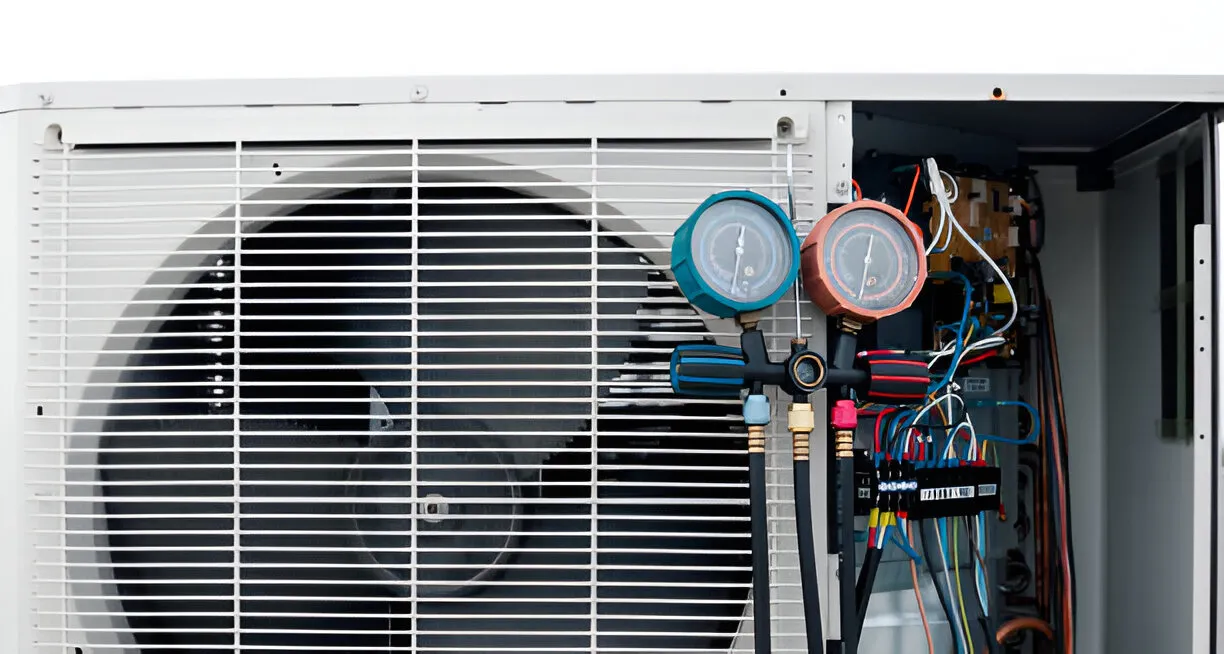
Why a heat pump can be right for OSU, OH homes
OSU, OH experiences hot, humid summers and cold winters with periodic freeze-thaw cycles. Modern heat pumps, especially cold-climate models, deliver efficient cooling in summer and dependable heating in winter. For older or historic homes near campus, a heat pump can provide ductless or hybrid solutions that avoid invasive remodeling. Proper sizing, placement, and commissioning tailored to local conditions are essential to realize energy savings and year-round comfort.
Common heat pump issues in OSU, OH
- Inadequate sizing for Ohio heating loads, causing short cycling or insufficient warmth in cold snaps.
- Poorly sealed or undersized ductwork in older homes near OSU that reduces system efficiency and comfort.
- Outdoor unit placement problems: limited yard space, snow accumulation, or exposure to salt and road runoff.
- Refrigerant or line-set routing challenges in multi-story or historic homes.
- Electrical panel limitations in homes with older wiring or insufficient circuit capacity.
- Heat pump frosting or frequent defrost cycles in persistent subfreezing weather if the unit is not a cold-climate model.
On-site evaluation: the foundation of a successful installation
A thorough on-site evaluation is the first critical step. Expect a qualified technician to:
- Inspect the home's insulation, windows, and air leakage to understand overall envelope performance.
- Measure existing ductwork, or map preferred locations for ductless heads or indoor units.
- Perform a heat loss and heat gain calculation using industry-standard methods to determine required capacity.
- Check electrical service capacity, panel space, and wiring routes for the outdoor unit.
- Assess outdoor unit placement options for access, airflow, and protection from snow, yard salt, and landscaping constraints common in OSU, OH neighborhoods.
System selection and sizing
Accurate sizing ensures comfort and system longevity. The process includes:
- Using a Manual J style load calculation to determine heating and cooling capacity needs based on local climate and the home’s specifics.
- Choosing a cold-climate heat pump or hybrid system if winters are cold and backup heat is desired.
- Selecting ducted versus ductless solutions depending on existing ductwork condition and renovation constraints.
- Considering variable-speed compressors and multi-stage systems for better humidity control during Ohio summers.
Ductwork or line-set requirements
- Ductwork: Older OSU-area homes often need duct sealing, rebalancing, or partial replacement to meet efficiency goals. Insulation of ducts in unconditioned spaces is critical.
- Line-sets and refrigerant piping: Proper routing, insulation, and protection where line-sets pass through walls or crawlspaces will reduce heat loss and prevent freeze-related issues.
- Electrical and disconnects: Installations must include an appropriate disconnect, proper wire sizing, and any required upgrades to the electrical panel.
Professional installation steps
- Pre-install preparation: Confirm permits, order equipment, and schedule delivery to avoid delays.
- Site preparation: Set a level pad for the outdoor unit, protect nearby landscaping, and ensure clear access.
- Mounting indoor units or duct connections: Install air handlers, evaporator coils, or duct transitions as planned.
- Run refrigerant lines, condensate drains, and electrical wiring with proper insulation and protection.
- Evacuate and charge the system: Pull a vacuum to remove moisture and non-condensables, then charge with the correct refrigerant amount.
- Control integration: Install and configure thermostats or smart controls to align with system capacities and user preferences.
- Final sealing and insulation: Seal any openings, insulate line-sets, and ensure duct connections are airtight.
Testing and commissioning
Commissioning confirms the system performs to specification:
- Verify airflow, static pressure, and temperature split for cooling and heating modes.
- Test defrost cycles, backup heating operation, and thermostat calibration.
- Confirm refrigerant levels, electrical connections, and safe operation of all safety controls.
- Provide a walk-through that explains system operation, filter location, and basic troubleshooting in accessible terms.
Permitting and code compliance
Heat pump installations in OSU, OH require adherence to local building codes and permit processes. Typical steps include:
- Submitting electrical and mechanical permit applications to the appropriate local authority.
- Meeting state and local code requirements for refrigerant handling, ventilation, and electrical work.
- Scheduling required inspections for rough-in and final installation to document compliance.The exact permitting timeline can vary by jurisdiction, so planning for permit processing is part of a realistic installation schedule.
Estimated timelines
While every project is different, typical timelines for a standard residential heat pump installation in OSU, OH are:
- On-site evaluation and proposal: 1 to 7 days depending on scheduling.
- Permitting and approval: could span a few days to a few weeks based on local workload.
- Installation work: 1 to 3 days for simple replacements; 3 to 7 days for systems requiring ductwork upgrades, electrical panel work, or multiple indoor units.
- Commissioning and final inspection: usually completed within a day after installation.Local factors like weather, permit queues, and supply lead times can affect these estimates.
Warranty and maintenance recommendations after installation
A properly installed heat pump with routine maintenance will perform efficiently for years. Recommended practices include:
- Follow manufacturer warranty registration steps to preserve coverage.
- Schedule an annual professional tune-up before the heating season that includes coil cleaning, refrigerant check, electrical inspection, and control testing.
- Change or clean filters according to usage and filter type, typically every 1 to 3 months.
- Keep outdoor units free of snow, ice buildup, and vegetation, and ensure proper drainage away from the unit in spring thaw conditions common in OSU, OH.
- Consider a service plan that includes priority diagnostics, season tune-ups, and documented inspection reports to protect performance and warranty eligibility.
Long-term benefits for OSU, OH homeowners
When installed and commissioned correctly, heat pumps provide:
- Year-round comfort with both efficient cooling and reliable heating.
- Improved humidity control during warm months.
- Lower operating costs compared to older electric resistance or aging combustion systems.
- Flexibility for homes without existing ductwork through ductless or mini-split options.
- Reduced environmental footprint with modern refrigerants and higher seasonal efficiency.
Choosing the right system and ensuring professional, code-compliant installation are the keys to maximizing performance in OSU, OH homes. Proper evaluation, accurate sizing, attention to ductwork and electrical needs, careful commissioning, and routine maintenance create a durable, efficient system tailored to local climate and building characteristics.
Hot Deals & Cool Savings

.webp)
New Service Agreement Membership
.webp)
Any New Client Service
Next Service for Referring a New Client
New Service Agreement Membership
Any New Client Service
Next Service for Referring a New Client
.webp)
.webp)

Service Areas
