
Heat Pump Repair in OSU, OH
Heat pump repair OSU, OH with expert diagnostics and rapid repairs tailored for local homes and student housing. Learn more.

Heat Pump Repair in OSU, OH
Keeping a heat pump running reliably is critical for homes and apartments around OSU, OH where humid summers and cold winters place year-round demand on HVAC systems.
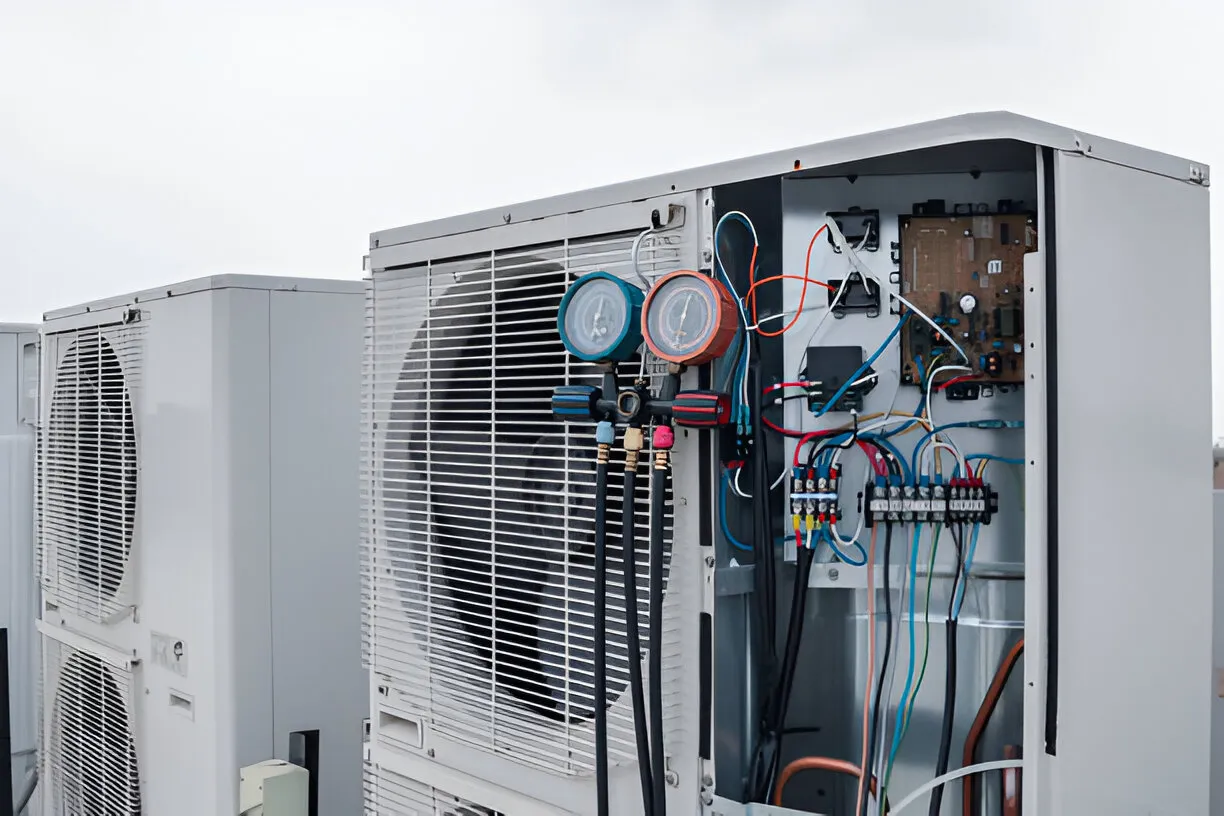
Why timely Heat Pump Repair matters in OSU, OH
OSU, OH experiences wide temperature swings and high summer humidity that both stress heat pump components. Delaying repairs can increase energy bills, cause indoor comfort issues in student housing and older rentals, and lead to costly failures during peak weather. Fast, accurate diagnostics and repairs restore efficiency and reduce long-term costs.
Common heat pump problems in OSU, OH
- No heating or cooling: Unit runs but delivers little conditioned air. Often caused by refrigerant loss, compressor failure, or reversing valve faults.
- Short cycling or frequent on/off: Usually electrical control issues, bad thermostats, or overheating due to clogged coils.
- High energy bills: Dirty coils, failing motors, or low refrigerant reduce efficiency.
- Strange noises: Grinding, rattling, or humming indicate failing fan motors, loose components, or compressor issues.
- Ice buildup: Common in winter if defrost cycle fails or airflow is restricted by dirty filters.
- Refrigerant leaks: Reduced cooling/heating capacity and oil stains around service ports or lines.
- Electrical trips or blown fuses: Short circuits, bad capacitors, or failing contactors.
Diagnostic checklist — what technicians check first
- Visual inspection of outdoor and indoor units for debris, corrosion, and refrigerant oil stains.
- Verify thermostat settings, sensors, and wiring connections.
- Measure voltages and currents at start-up to detect electrical faults.
- Check refrigerant pressures and temperature split across coils.
- Test defrost cycle and reversing valve operation for heat mode problems.
- Inspect air filters, evaporator and condenser coils, and blower/fan motors for airflow issues.
Step-by-step repair process
Below are the typical repair steps technicians follow, described in clear, non-technical terms.
1. Electrical troubleshooting
- Isolate power and inspect terminals, fuses, breakers, contactors, and capacitors for visible damage.
- Use voltage and amp readings to identify failing motors or overloaded circuits.
- Replace failed contactors, relays, or capacitors and tighten corroded connections.
- Confirm proper control signals from thermostats and control boards.
Typical outcome: Restores reliable starting and running of the unit, resolves trips and intermittent operation.
2. Compressor and fan repairs
- Determine if compressor is mechanically or electrically failed. Measure winding resistance and starting current.
- For failing fan motors: test bearings, capacitor function, and blade balance. Replace motors or bearings as needed.
- If a compressor is failing electrically or mechanically, technicians assess whether repair or replacement is the economical option given unit age and warranty.
Typical outcome: Eliminates loud noises, restores full heating/cooling capacity, and improves efficiency.
3. Refrigerant leak detection and repair
- Use electronic leak detectors, soap solution, or UV dye tracing to locate leaks.
- Repair or replace damaged line sets, fittings, or coil sections as needed. Replace filter driers to capture contaminants.
- Evacuate system, vacuum to required levels, and recharge to manufacturer refrigerant specifications. Document refrigerant recovery and disposal per regulations.
Typical outcome: Restores correct refrigerant charge and system pressures for full performance and longevity.
4. Control board and component replacement
- Diagnose failed control boards by checking for burned components, error codes, and voltage outputs.
- Replace control boards, thermostats, sensors, or reversing valves when faulty. Program and calibrate settings and perform system tests.
Typical outcome: Restores proper sequencing, defrost control, and communication between indoor and outdoor units.
Typical parts used and warranty information
Common replacement parts:
- Compressor assemblies, contactors, start/run capacitors, fan/blower motors, thermostats, reversing valves, filter driers, expansion devices, control boards, and refrigerant line sections.
Warranty considerations:
- Manufacturer warranties often cover major components like compressors for several years and may include limited parts warranties.
- Aftermarket parts typically carry shorter warranties supplied by the parts vendor or installer.
- Service labor warranties vary by provider and job type; expect a definite warranty period on specific repairs in writing. Always ask for warranty documentation for replaced parts and labor.
Emergency and after-hours repair options in OSU, OH
Emergency repairs are important for OSU-area residences during extreme heat or freezing weather. Qualified technicians will prioritize safety by addressing electrical hazards, refrigerant leaks, and complete system failures. After-hours responses typically focus on stabilizing the system (temporary fixes such as bypassing a failed start capacitor or replacing a fan motor) and scheduling full repairs during normal business hours for complex work or parts-heavy jobs.
Expected repair timelines and what affects them
- Diagnostics and simple electrical fixes: 1–2 hours.
- Fan motor, capacitor, or control board replacement: typically same-day if parts are available.
- Refrigerant leak repair (minor) with recharge: same-day to next-day depending on leak location.
- Compressor replacement or major reseal/line replacement: several hours to a full day and may require system evacuation and permit work depending on scope.
Timeline depends on part availability, system access (rooftop or tight mechanical closets common around campus housing), and need for specialty refrigerants or permits.
Pricing guidelines and factors that influence cost
Specific dollar amounts vary, but key pricing drivers are:
- Age and model of the heat pump (older units often cost more to repair relative to value).
- Type of repair: electrical component swaps are generally less costly than compressor or major refrigerant circuit repairs.
- Parts required and whether OEM or aftermarket components are used.
- Accessibility of the unit (rooftop units or tight attic access increase labor time).
- Local permitting or environmental disposal requirements for refrigerants.
Providing documentation of defect, part serial numbers, and photographs during diagnosis helps homeowners and property managers understand cost drivers and warranty coverage.
Preventive tips to reduce breakdowns in OSU, OH
- Schedule seasonal maintenance in spring and fall to catch issues before summer or winter peaks.
- Replace air filters every 1–3 months during high-use seasons to prevent coil icing and strain on the blower.
- Keep outdoor condenser coils clear of pollen, leaves, and snow; OSU landscaping and seasonal pollen can bury coils quickly.
- Ensure proper refrigerant charge and clean condensate drains to avoid water damage.
- Test defrost cycles before winter and cover or protect outdoor units from ice buildup when practical.
Regular maintenance tailored to OSU, OH climate patterns and the demands of local housing stock will extend system life, reduce energy bills, and minimize emergency repairs.
Hot Deals & Cool Savings

.webp)
New Service Agreement Membership
.webp)
Any New Client Service
Next Service for Referring a New Client
New Service Agreement Membership
Any New Client Service
Next Service for Referring a New Client
.webp)
.webp)

Service Areas
