
Heat Pump Replacement in Baltimore, OH
Heat pump replacement in Baltimore, OH improves efficiency and comfort. Learn about financing, warranties, and the replacement process. Learn more.

Heat Pump Replacement in Baltimore, OH
Replacing a heat pump is a major decision for homeowners in Baltimore, OH. With cold Ohio winters and humid summer months, an aging or failing heat pump can lead to higher energy bills, uneven comfort, and frequent repairs.
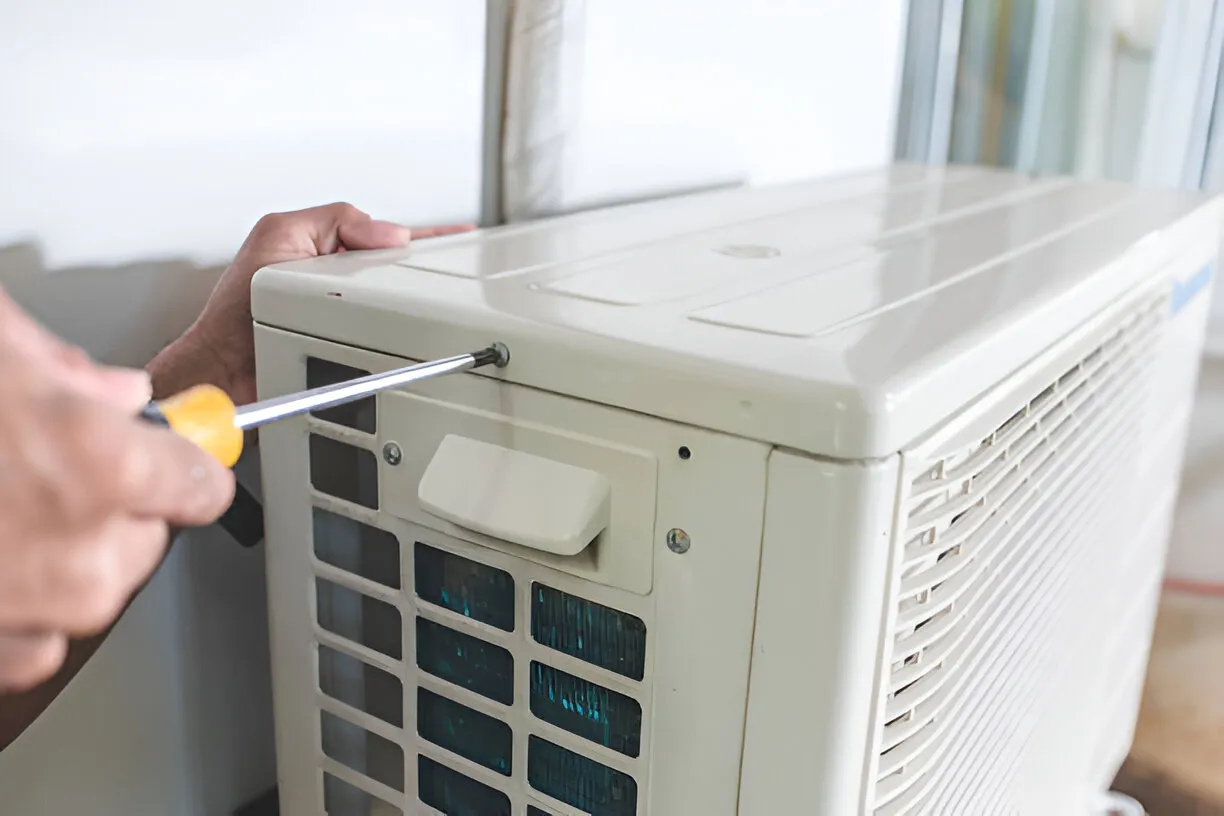
Why consider a full heat pump replacement
Many heat pumps last 10 to 15 years depending on maintenance, usage, and local climate stressors. In Baltimore, OH, repeated freeze-thaw cycles and occasional severe cold increase workload on heating systems, accelerating wear. Replace your heat pump when you notice a combination of these issues:
- Frequent breakdowns or escalating repair costs over several seasons
- Sharp drop in efficiency: higher energy bills despite regular filters and tune-ups
- Inconsistent comfort: rooms that are chronically too cold or too hot
- Age and refrigerant type: systems older than 12 years or using phased-out refrigerants often warrant replacement
- Noisy operation or mechanical signs like compressor short-cycling
Common heat pump replacement issues in Baltimore, OH
Homeowners here commonly report:
- Reduced capacity during subfreezing temperatures leading to reliance on backup electric resistance heat
- Ice buildup and defrost cycles that are increasingly frequent
- Ductwork leaks that exacerbate poor performance in older homes
- Corrosion or damage to outdoor units from road salt and moisture in winter
When these problems appear along with an aging system, a full replacement rather than repeated repairs usually offers better long-term value.
Benefits of modern heat pump systems
Upgrading to a modern heat pump brings measurable benefits for Baltimore homeowners:
- Higher energy efficiency: Newer systems have higher Seasonal Energy Efficiency Ratio (SEER) and Heating Seasonal Performance Factor (HSPF) ratings, lowering utility bills through colder months.
- Improved low-temperature performance: Cold-climate heat pumps maintain capacity at lower outdoor temperatures, reducing reliance on expensive electric backup heat.
- Quieter operation and better controls: Variable-speed compressors and smart thermostats improve comfort and reduce cycling.
- Better indoor air comfort: Enhanced dehumidification in summer and more even temperatures year-round.
- Reduced maintenance and increased reliability: Modern units are designed for longer service lives with fewer breakdowns.
Comparing system types and sizing considerations
Choosing the right system depends on home layout, existing ductwork, and heating demands.
- Ducted air-source heat pumps: Best for homes with existing duct systems. They provide whole-house comfort and can be high-efficiency when properly sized.
- Ductless mini-splits: Ideal for homes without ducts, additions, or basement remodels. They offer room-by-room control and high efficiency.
- Cold-climate heat pumps: Specifically engineered to provide consistent heating capacity in Ohio winters.
- Ground-source (geothermal) heat pumps: High upfront cost but excellent long-term efficiency and stable performance; best for homeowners planning long-term occupancy.
Proper sizing is critical. Oversized units short-cycle, causing comfort and humidity problems and shortening equipment life. Undersized units struggle to meet load on the coldest days. A professional load calculation (Manual J) should be performed that accounts for Baltimore-area insulation levels, window types, and local climate data.
The heat pump replacement process
Replacing a heat pump typically follows these steps:
- Assessment and sizing: Inspect home, evaluate ductwork or mounting locations, perform load calculation, and recommend appropriately sized equipment.
- Removal of old equipment: Safe disconnection, refrigerant recovery by certified technicians, and removal of the outdoor and indoor units.
- Preparation and upgrades: Address duct sealing, insulation, or electrical panel requirements. Install new mounting pads or line sets as needed.
- Installation of new system: Set and connect outdoor and indoor units, run refrigerant lines, and tie in electrical and control wiring.
- Commissioning and testing: Evacuate and charge refrigerant, verify pressures and temperatures, test defrost cycles, balance airflow, and program thermostats.
- Final walk-through: Explain operation, maintenance needs, and warranty registration details.
Expect the core installation to take one to three days for most residential projects, depending on complexity and whether ductwork or electrical upgrades are needed.
Disposal and recycling of old equipment
Old heat pumps contain refrigerants and metals that require proper handling. Certified technicians recover refrigerant to prevent emissions and recycle metals and components according to environmental regulations. In regions like Baltimore, OH, responsible disposal prevents local contamination and ensures compliance with state and federal rules.
Financing, rebates, and incentives
Replacing a heat pump is an investment. Many homeowners pursue:
- Utility rebates or regional incentives that lower upfront cost for high-efficiency systems
- Manufacturer financing and extended payment plans where available
- Tax credits for qualifying energy-efficient equipment (subject to current federal or state programs)Ask for documentation of likely qualifying programs during the assessment. Financing options and rebates can materially affect the payback period and long-term savings.
Warranty coverage and expected timelines
New heat pumps typically include:
- Compressor warranty: often 5 to 10 years
- Parts warranty: commonly 1 to 10 years depending on manufacturer and registration
- Labor warranties: vary by installer
Read warranty terms carefully for conditional coverage (for example, the requirement that the system be registered or maintained annually). Typical timelines:
- Assessment to proposal: 1 to 7 days
- Permits and scheduling: 1 to 3 weeks depending on local permitting and installer availability
- Installation: 1 to 3 days for standard jobs; longer for complex retrofits
Post-replacement care and maintenance
A new heat pump will perform best with:
- Annual professional tune-ups, ideally before the heating season
- Regular filter changes and keeping outdoor unit clear of debris and snow
- Duct sealing and insulation upgrades if needed
- Thermostat setback and zoning strategies to maximize efficiency
Replacing a heat pump in Baltimore, OH is both a comfort and efficiency upgrade. When weighed against ongoing repair costs, fuel price volatility, and the performance limits of older equipment in Ohio winters, modern heat pumps frequently deliver better reliability, lower operating costs, and improved home comfort for years to come.
Hot Deals & Cool Savings

.webp)
New Service Agreement Membership
.webp)
Any New Client Service
Next Service for Referring a New Client
New Service Agreement Membership
Any New Client Service
Next Service for Referring a New Client
.webp)
.webp)

Service Areas
