
Heat Pump Installation in Baltimore, OH
Heat Pump Installation in Baltimore, OH: Learn about site assessment, permits, installation steps, and maintenance to ensure efficient year-round comfort. Learn more.

Heat Pump Installation in Baltimore, OH
Installing a heat pump is one of the most effective ways to lower energy bills and improve year‑round comfort in Baltimore, OH homes. With hot, humid summers and cold winters common to central Ohio, a properly sized and installed heat pump delivers efficient cooling in summer and reliable heating in winter while providing improved humidity control and indoor air quality.
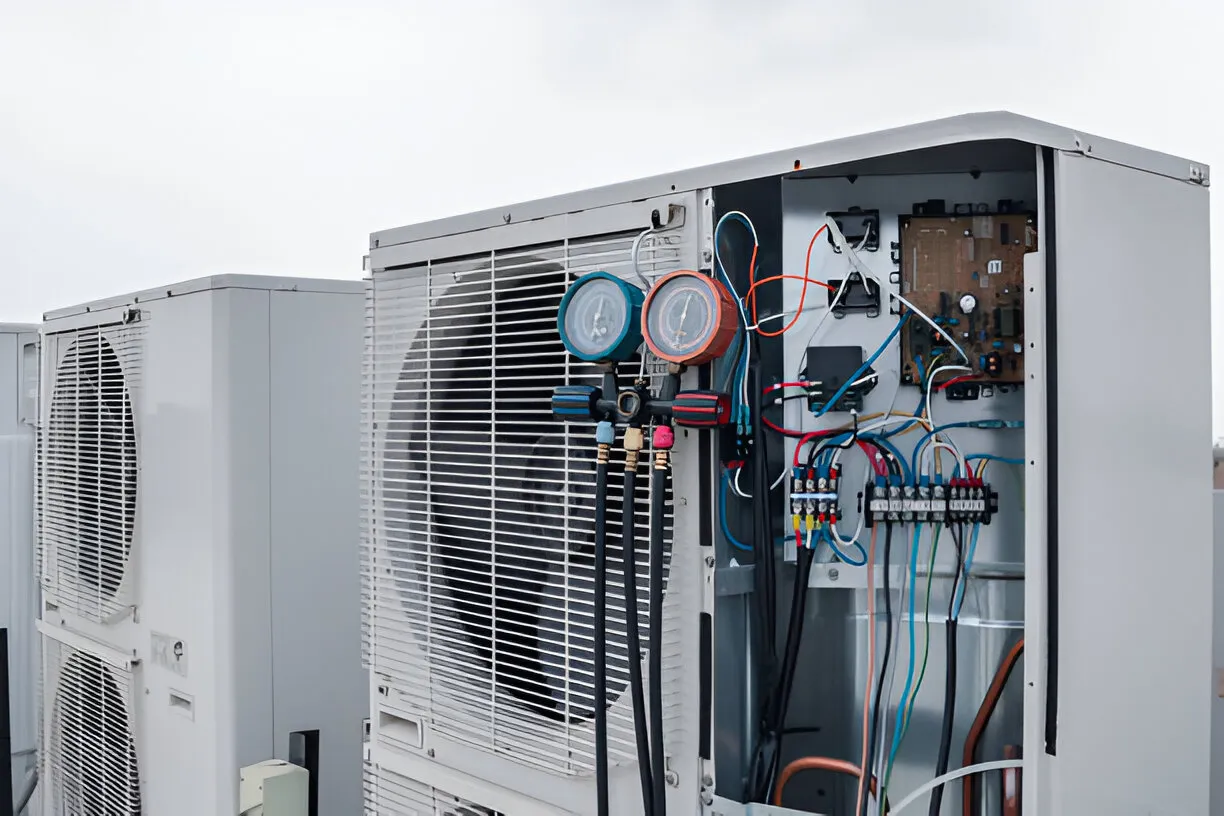
Why choose a heat pump for Baltimore, OH homes
- Efficient heating and cooling in a climate with both cold winters and humid summers.
- Reversing refrigeration cycle provides both heating and cooling with a single system.
- Modern heat pumps (including cold‑climate air‑source models) perform well down to low temperatures common in our region.
- Ductless mini‑split options allow targeted zone control for older Baltimore homes without ductwork.
- Lower operational emissions and the potential to pair with solar for greater energy savings.
Common heat pump types and which fits Baltimore homes
- Air‑source heat pumps: Most cost‑effective option for typical suburban and rural properties. Cold‑climate variants are recommended to maintain efficiency during winter lows experienced in Fairfield County.
- Ductless mini‑splits: Best for homes without existing ducts, additions, finished basements, or rooms needing separate temperature control. Ideal for historic or smaller Baltimore houses where installing ducts is impractical.
- Packaged systems and hybrid systems: Combine with existing furnaces where extreme cold requires auxiliary heat. Consider when your home already has a resilient fossil fuel backup.
- Ground‑source (geothermal) heat pumps: Highest efficiency long term but require more site work and higher upfront investment—suitable for larger lots or new construction in the Baltimore area where excavation is feasible.
Initial site assessment and load calculation
A reliable installation begins with a thorough site assessment and an accurate heating and cooling load calculation:
- Manual J load calculation: Determines the precise heating and cooling capacity your home needs, accounting for local climate, insulation levels, window orientation, air infiltration, and occupancy.
- Duct inspection (if applicable): Evaluates leakiness, sizing, and insulation of existing ducts. Many efficiency gains come from sealing and insulating ductwork before installing a new system.
- Electrical review: Confirms your panel can handle the new heat pump’s power requirements and identifies if upgrades are required for compressor startup current.
- Placement considerations: Assesses outdoor unit location for airflow, noise, clearance, and ease of service. For Baltimore yards, consider prevailing winds, snow accumulation, and neighborhood setback requirements.
Permitting and code compliance in Baltimore, OH
- Local permitting: Installations must comply with Ohio building codes and local Fairfield County or Baltimore village permit requirements. A professional installer will pull necessary permits and ensure inspections are scheduled.
- Electrical and refrigerant codes: Compliance with NEC (National Electrical Code) for wiring and EPA regulations for refrigerant handling is mandatory.
- Homeowner associations and neighborhood rules: Some Baltimore neighborhoods may have guidelines for outdoor equipment placement or screening—these should be checked during planning.
Step‑by‑step installation and commissioning (what to expect)
- Pre‑installation prep: Finalize equipment selection, confirm load calculations, obtain permits, and schedule the work window.
- Site preparation: Level and pad the outdoor unit, protect landscape, and route refrigerant lines and electrical.
- Mounting indoor components: Install air handler or indoor units for ducted systems, or wall‑mounted units for ductless systems. For ducted systems, modify or replace ductwork as needed.
- Electrical and control wiring: Connect power, transformers, and thermostats/controls. Upgrade to a compatible smart thermostat if desired.
- Refrigerant charge and brazing: Proper refrigerant charging and leak testing per manufacturer specifications and regulations.
- Startup and commissioning: System is started, performance verified against design temperatures, and controls calibrated.
- Safety checks and final inspections: Pressure tests, electrical safety checks, and municipal inspections as required.
System testing and homeowner orientation
A professional installation includes comprehensive testing and an orientation so you know how to operate and maintain the system:
- Performance verification: Measured airflow, temperature split, and efficiency checks confirm the system meets expectations.
- Controls walkthrough: Demonstration of thermostat schedules, zone control, defrost cycle behavior, and emergency heating modes helps you avoid common user errors.
- Maintenance basics: How and when to change filters, clean outdoor coils, and spot‑check condensate drains. Guidance on seasonal behaviors like defrost cycles in winter.
Warranty and maintenance recommendations
- Manufacturer and labor warranties: Typical heat pumps have manufacturer warranties on compressors and parts; installers often offer a labor warranty covering workmanship. Confirm both and keep documentation.
- Recommended maintenance schedule:
- Replace or clean filters every 1–3 months depending on use.
- Annual professional tune‑up before the heating season to verify refrigerant charge, electrical connections, and system efficiency.
- Outdoor coil cleaning and clearing of debris in spring and fall.
- Duct inspection every 3–5 years or when adding insulation or remodeling.
- Extended service plans: Consider routine maintenance agreements to preserve efficiency and maintain warranty requirements without the hassle of scheduling.
Cost considerations and financing options for Baltimore homeowners
- What affects cost: System capacity, equipment type (air‑source vs ductless vs geothermal), required ductwork or electrical upgrades, site complexity, and permitting/inspection fees.
- Incentives and rebates: Many homeowners may qualify for federal tax incentives or state/local rebates for energy‑efficient heat pumps and heat pump installations. Look for qualifying programs for ENERGY STAR or cold‑climate models; an installer can confirm current incentive availability and documentation requirements.
- Financing and payment options: Common options include HVAC financing programs, home improvement loans, and energy‑efficiency loan products. Some municipalities offer on‑bill or PACE programs that let you finance improvements over time. Review terms and eligibility to find an option that fits your budget without sacrificing quality.
Long‑term benefits and maintenance tips
- Energy savings and comfort: A correctly sized and installed heat pump can reduce seasonal energy costs and provide more even indoor temperatures.
- Durability: Regular maintenance extends equipment life and preserves manufacturer warranties.
- Seasonal checklist:
- Spring: Clean outdoor unit, inspect refrigerant lines, and test cooling mode.
- Fall: Schedule professional tune‑up, verify defrosting operation, and test heating performance.
- Year‑round: Monitor indoor humidity, change filters regularly, and keep the outdoor unit free of leaves and snow.
A professional, code‑compliant heat pump installation tailored to Baltimore, OH conditions ensures reliable heating and cooling, improved home comfort, and the best possible efficiency. Proper assessment, careful equipment selection, thoughtful installation, and routine maintenance are the keys to getting the full benefit from your investment in a heat pump system.
Hot Deals & Cool Savings

.webp)
New Service Agreement Membership
.webp)
Any New Client Service
Next Service for Referring a New Client
New Service Agreement Membership
Any New Client Service
Next Service for Referring a New Client
.webp)
.webp)

Service Areas
