
Heat Pump Repair in Lancaster, OH
Professional heat pump repair in Lancaster, OH with fast diagnostics, safety-focused service, and reliable fixes to restore comfort. Schedule your repair today.

Heat Pump Repair in Lancaster, OH
When your heat pump fails in Lancaster, OH, it affects comfort fast. With cold Midwestern winters and humid summers, many Lancaster homes rely on heat pumps for year-round heating and cooling.
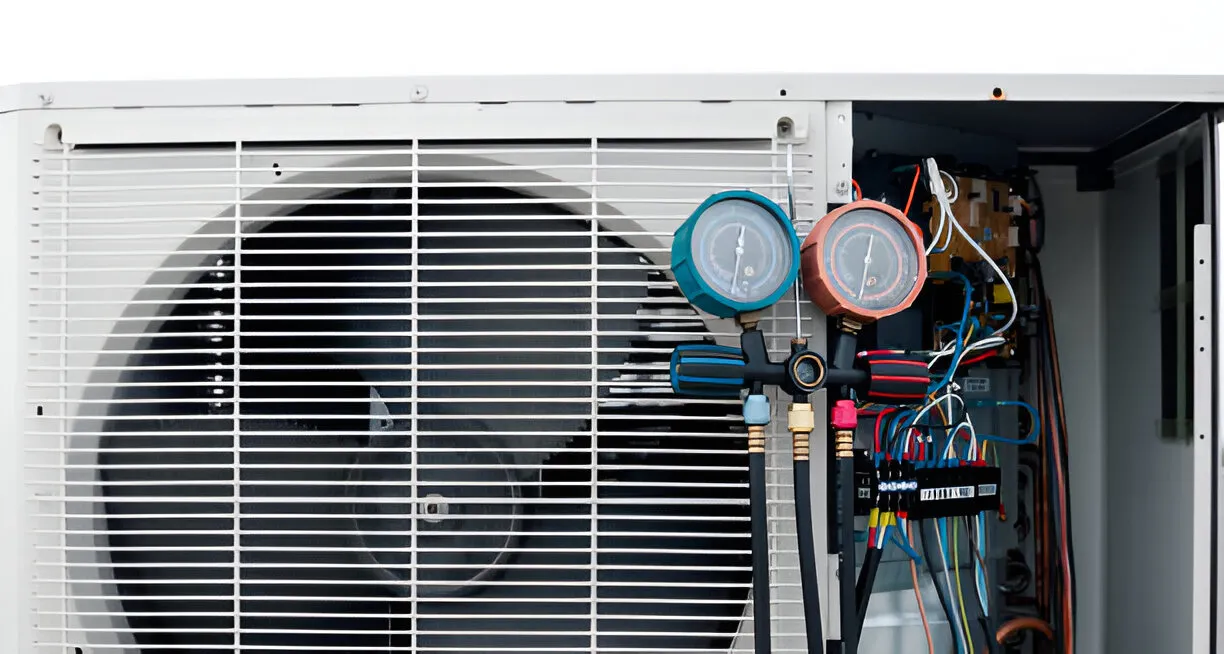
Why timely heat pump repair matters in Lancaster, OH
Lancaster experiences temperature swings that put extra stress on heat pump systems: long cold spells increase defrost cycles and run times, while humid summers demand consistent cooling performance. Delaying repair increases energy use, accelerates component wear, and can lead to system failures requiring larger replacements. Fast, accurate diagnostics restore comfort and reduce long-term costs by addressing underlying causes rather than treating symptoms.
Common heat pump problems in Lancaster homes
- No heating or no cooling despite running
- Short cycling (unit turns on and off frequently)
- Reduced airflow or weak airflow from registers
- Refrigerant leaks or low refrigerant charge
- Compressor failures or abnormal compressor noise
- Reversing valve faults (no change between heating and cooling)
- Frozen outdoor unit or iced coils
- Electrical issues: tripped breakers, blown fuses, failed capacitors or contactors
- Thermostat or control board malfunctions
Step-by-step diagnostic process
A clear diagnostic workflow separates quick fixes from component-level failures. Typical diagnostic steps include:
- Initial interview and symptom confirmation
- Ask when the problem began, thermostat settings, any recent noises or fluctuations, and prior maintenance history.
2. Visual and safety inspection
- Check power at the unit, breakers, disconnect switches, visible wiring, and condition of outdoor coils and insulation.
3. Thermostat and control checks
- Verify thermostat configuration, setpoints, and wiring continuity to rule out control issues.
4. Electrical testing
- Test line voltages, capacitor health, contactor operation, and compressor amp draw with appropriate meters.
5. Airflow and mechanical inspection
- Inspect filters, blower motor, ductwork, vents, and evaporator/condenser coil cleanliness.
6. Refrigerant and pressure testing
- Measure system pressures and temperatures to determine charge condition and look for signs of leaks.
7. Reversing valve and compressor function tests
- Observe reversing valve activation for mode changes and evaluate compressor noise, vibration, and current draw.
8. Leak detection and moisture/freeze checks
- Use electronic detectors, dye, or UV methods to locate refrigerant leaks; inspect for frosting patterns indicating defrost or airflow problems.
Diagnostics typically identify whether repairs are minor (filters, capacitors, thermostats), moderate (refrigerant recharge, valve replacement, fan motor), or major (compressor replacement, refrigerant circuit overhaul).
Typical repair techniques and parts replacement
Common repairs in Lancaster heat pump systems use industry-standard procedures to ensure safe, reliable restoration:
- Filter and coil cleaning
- Dirty filters and coils are cleaned or replaced to restore airflow and heat transfer efficiency.
- Electrical component replacement
- Replace capacitors, contactors, relays, fuses, and control boards following manufacturer specifications.
- Fan and blower motor service
- Bearings, belts, or motors are repaired or replaced; blower wheel balance and alignment are restored.
- Refrigerant leak repair and recharge
- Locate and repair leaks, evacuate and vacuum the system, then recharge to specified charge. Leak repair may require replacing line sets, fittings, or coil sections.
- Compressor or reversing valve replacement
- Major mechanical repairs involve properly recovering refrigerant, removing and replacing compressors or reversing valves, and performing vacuum and recharge procedures.
- Thermostat and control recalibration
- Replace or reprogram thermostats and controls; verify sensor placement and calibration.
- Ductwork and airflow corrections
- Address blocked or leaky ducts and add insulation or sealing where needed to improve system performance.
All repair work follows refrigerant handling regulations and manufacturer torque and wiring specifications.
Estimated repair timelines (what to expect)
- Simple fixes (filters, thermostat, minor electrical): often resolved within 1 to 3 hours.
- Moderate repairs (capacitors, contactors, fan motors, refrigerant top-up): typically 2 to 6 hours.
- Major repairs (compressor or reversing valve replacement, refrigerant circuit repair): may require a full day or more; parts lead times can extend completion.
- Diagnostic-only visits: usually 1 to 2 hours depending on complexity.
Exact timelines depend on part availability, system accessibility, and whether the home uses specialty refrigerants or older equipment requiring custom parts.
Warranty and safety practices
- Warranty considerations
- Many components carry manufacturer warranties; replacing parts with non-authorized components or improper installation can affect warranty coverage. Keep records of service, part numbers, and receipts to support warranty claims.
- Safety protocols
- Technicians should follow lockout/tagout procedures and disconnect power before work.
- Refrigerant recovery and handling must comply with EPA refrigeration rules; only certified technicians should handle refrigerants.
- Electrical testing is done with insulated tools and appropriate PPE. If a refrigerant leak is suspected, occupants should avoid prolonged exposure and ventilate the area.
- Documentation
- A complete service report should list findings, parts replaced, pressure and electrical readings, and any follow-up recommendations.
Emergency repair guidance for Lancaster residents
If your heat pump fails during extreme cold or heat:
- Immediate safety checks
- Verify circuit breakers and disconnects; replace clogged filters if safe to do so.
- If you smell refrigerant or detect oil, ventilate the area and avoid ignition sources. Refrigerant leaks require professional handling.
- Temporary measures
- Use alternate heating sources safely if temperatures are dangerously low; follow manufacturer guidance for portable heaters and indoor ventilation.
- Availability and expectations
- Emergency service is typically prioritized for loss of heating in subfreezing conditions, refrigerant leaks, or electrical hazards. Technicians will stabilize systems and schedule follow-up repairs or parts replacement as needed.
Maintenance tips to reduce breakdowns
- Schedule regular maintenance before peak seasons to check charge, coils, and electrical components.
- Replace or clean filters monthly during heavy use periods.
- Keep outdoor units clear of debris, snow, and vegetation to maintain airflow.
- Monitor performance trends: increased energy bills, unusual noises, or longer run times indicate needed service.
Timely repair and regular maintenance are especially important in Lancaster’s climate to keep heat pumps efficient and reliable. Understanding diagnostics and repair options helps homeowners make informed decisions that prolong equipment life and maintain indoor comfort.
Hot Deals & Cool Savings

.webp)
New Service Agreement Membership
.webp)
Any New Client Service
Next Service for Referring a New Client
New Service Agreement Membership
Any New Client Service
Next Service for Referring a New Client
.webp)
.webp)
Service Areas