
Heat Pump Maintenance in Lancaster, OH
Heat pump maintenance in Lancaster, OH keeps your system efficient. Schedule a tune-up to cut energy costs and prevent breakdowns.

Heat Pump Maintenance in Lancaster, OH
Keeping your heat pump tuned and reliable is essential in Lancaster, OH, where hot humid summers and cold winters put year-round stress on HVAC systems. Regular, preventive heat pump maintenance reduces energy bills, prevents mid-season breakdowns, and extends equipment life—especially important for Lancaster homes that cycle between cooling and supplemental electric heat.
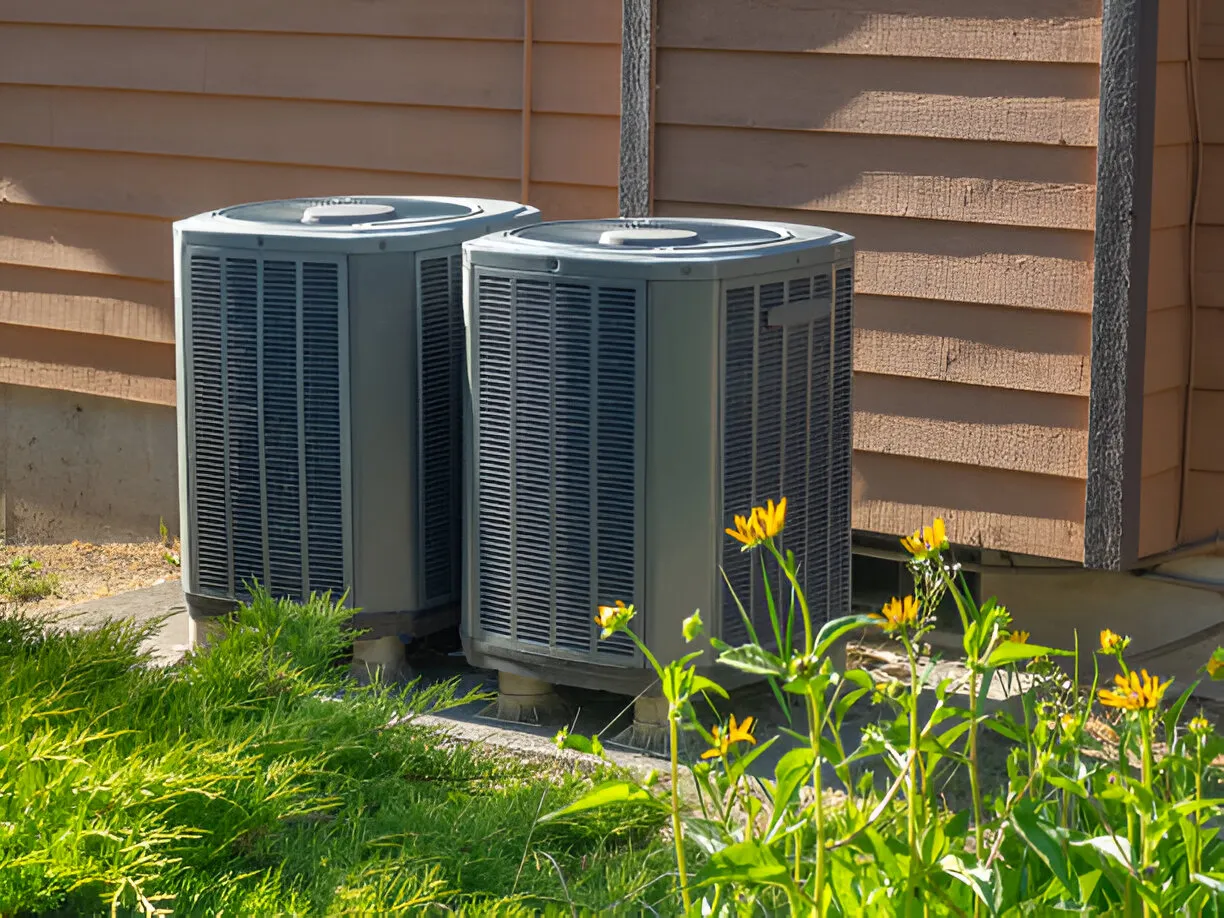
Why preventive heat pump maintenance matters in Lancaster, OH
Lancaster experiences high humidity in summer and freezing temperatures in winter. Those conditions increase the likelihood of:
- Coil fouling from pollen, dust, and summer humidity that reduce cooling capacity
- Ice buildup on outdoor coils during extended cold spells and heavy frost
- Increased compressor workload on very hot or very cold days
- Corrosion and wear from frequent temperature swings
Routine maintenance addresses these factors before they become costly failures. Benefits include: improved efficiency, steadier home comfort, fewer emergency repairs during extreme weather, and a longer service life for your heat pump.
Common heat pump maintenance issues in Lancaster, OH
Homeowners in Lancaster often see these recurring problems:
- Reduced airflow and weak heating or cooling — usually from clogged filters, dirty coils, or blower motor issues
- Short cycling or frequent compressor starts — caused by refrigerant problems, thermostat miscalibration, or airflow restrictions
- Ice or frost on the outdoor unit in cold snaps — often from blocked airflow, dirty coils, or defrost control issues
- Unusual noises during temperature extremes — loose components, worn bearings, or motor stress
- Increased energy bills during summer humidity spikes — from inefficient heat exchange and dirty system components
A preventive tune-up discovers and fixes these issues early, restoring performance and efficiency.
Seasonal tune-up tasks: what maintenance includes
A comprehensive heat pump tune-up covers both mechanical and electrical systems. Typical seasonal tasks include:
- Inspect and replace or clean air filters (recommended every 1-3 months depending on usage and filter type)
- Clean indoor and outdoor coils to restore heat transfer efficiency
- Check refrigerant levels and inspect for leaks; verify proper pressures and temperatures
- Test and calibrate the thermostat and controls for accurate operation
- Inspect and tighten electrical connections, fuses, and contactors; test capacitors and relays
- Lubricate motors, bearings, and moving components where applicable
- Inspect and clean the condensate drain and pan to prevent clogs and water damage
- Verify outdoor fan and blower motor operation; check belt condition if applicable
- Test the defrost cycle and reversing valve for proper winter operation
- Measure system airflow and overall operating performance (temperature split, airflow, and current draw)
- Provide a visual inspection for corrosion, mounting integrity, and refrigerant lines insulation
These tasks are tailored seasonally: spring tune-ups focus on cooling readiness and coil cleaning; fall visits prioritize heating performance, defrost operation, and winter preparedness.
Recommended maintenance schedule for Lancaster homes
To balance performance and cost, follow this schedule:
- Biannual professional inspections: spring (pre-cooling season) and fall (pre-heating season)
- Filter checks and changes: every 1-3 months, more often if you have pets or high dust levels
- Visual inspections: monthly look at outdoor unit clearance (keep debris and vegetation 2-3 feet away) and indoor thermostat settings
- Immediate service calls: if you notice ice buildup, strange noises, sudden loss of heating or cooling, or a spike in energy bills
Biannual professional service is the industry standard for heat pumps in climates like Lancaster’s; it prevents seasonal surprises and maintains system efficiency.
Service plans and what’s typically included
Maintenance programs are designed to match different homeowner needs. Common plan structures include:
- Basic Tune-Up Plan
- Annual or biannual inspection
- Filter check and basic cleaning
- Standard performance check and safety inspection
- Written checklist of findings and simple adjustments
- Comprehensive Seasonal Plan
- All tasks listed under seasonal tune-up tasks
- Priority scheduling for service visits
- Seasonal coil cleaning, refrigerant check, and electrical inspection
- Detailed maintenance report with recommended repairs and energy-saving tips
- Priority/Protection Plan
- Biennial or annual tune-ups plus mid-season check-ins
- Priority dispatch during peak seasons
- Extended documentation of system history and parts wear
- May include discounts on recommended repairs and replacement parts through the service provider
Plans are structured to prevent breakdowns and document system condition; homeowners receive a clear report after each visit to help plan future repairs or replacements.
What homeowners can expect during a maintenance visit
A professional maintenance visit is straightforward and informative. Typical workflow:
- Arrival and equipment review — technician confirms system model, age, service history, and homeowner concerns
- Safety checks — power disconnects, electrical inspection, and capacitor testing
- Routine maintenance tasks — filter change, coil cleaning, lubrication, drain clearing, and refrigerant inspection
- Performance testing — measure temperature differentials, operating pressures, and airflow; verify defrost and reversing valve operation
- Findings and recommendations — technician provides a written checklist of work performed, condition notes, and any recommended repairs or improvements
- Explanation of next steps — expected life-extending actions, suggested timeline for repairs, and maintenance schedule for the coming year
Visits typically last 45 minutes to 2 hours depending on system complexity and found issues. Technicians should leave the home safer, cleaner, and with a documented summary of the system status.
Long-term benefits and maintenance tips for Lancaster homeowners
Regular maintenance does more than prevent emergencies. Over time, tune-ups:
- Keep system efficiency near manufacturer specifications, saving energy
- Reduce likelihood of major component failures like compressors or reversing valves
- Preserve warranty coverage by documenting routine service
- Maintain indoor comfort through consistent performance
Practical homeowner tips:
- Replace filters regularly and keep outdoor unit free of leaves and snow
- Maintain 2-3 feet clearance around the outdoor unit for proper airflow
- Schedule professional tune-ups before the cooling season and before the heating season
- Note and report unusual noises or performance changes early
Routine care protects your comfort, lowers seasonal energy costs, and helps avoid inconvenient failures during Lancaster’s hottest and coldest months.
Regular, expert heat pump maintenance keeps Lancaster homes comfortable year-round. A biannual inspection combined with seasonal filter care provides the best balance of reliability and efficiency for local climate demands.
Hot Deals & Cool Savings

.webp)
New Service Agreement Membership
.webp)
Any New Client Service
Next Service for Referring a New Client
New Service Agreement Membership
Any New Client Service
Next Service for Referring a New Client
.webp)
.webp)

Service Areas
