
Boiler Tune-Up in Hilltop, OH
Boiler tune up in Hilltop, OH helps improve efficiency and safety; schedule a professional tune-up to prevent breakdowns.

Boiler Tune Up in Hilltop, OH
A professional boiler tune up is essential for reliable, efficient heat during Hilltop, OH winters. With cold temperatures, freeze-thaw cycles, and extended heating seasons in central Ohio, a tuned boiler reduces breakdown risk, lowers fuel use, and helps keep your home safe.
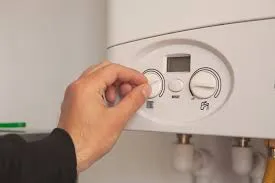
Why a boiler tune up matters in Hilltop, OH
Hilltop homes often face long heating seasons and older housing stock, which places extra demand on boilers. Sediment buildup, corrosion, and worn controls are common after years of heavy use. A thorough tune up restores combustion efficiency, verifies safety devices, and prevents small problems from becoming costly emergency repairs. Beyond reliability, tune ups help reduce fuel consumption and lower seasonal heating costs because systems run closer to their designed efficiency.
Common boiler tune up issues in Hilltop, OH
- Reduced combustion efficiency from clogged burners or misadjusted air/fuel mix, leading to higher fuel use.
- Frequent cycling or short-cycling caused by improper control settings or failed aquastats, shortening boiler lifespan.
- Ignition and pilot problems from dirty electrodes, thermocouples, or burners.
- Leaking valves and corroded piping in older systems exposed to seasonal humidity shifts.
- Thermostat drift or miscalibration, resulting in uneven home temperatures and wasted fuel.
- Blocked or deteriorated venting that affects draft and increases carbon monoxide risk.
Standard boiler tune up checklist
A full tune up typically follows a systematic checklist to ensure performance and safety. Core tasks include:
- Inspecting the boiler exterior, controls, and piping for visible wear, leaks, and corrosion.
- Cleaning burners and flame sensors to ensure consistent ignition and flame stability.
- Adjusting controls (aquastat, pressure controls, and safety limits) to manufacturer specifications.
- Testing safety devices including pressure relief valves, low-water cutoffs, and spill switches.
- Combustion efficiency measurement using combustion analysis tools to read oxygen, carbon monoxide, and stack temperature. Adjustments are made to optimize the air-fuel ratio.
- Thermostat calibration to confirm accurate temperature readings and proper control response.
- Flushing or checking condensate traps on condensing boilers to prevent blockages.
- Inspecting the flue and draft system for obstructions or leaks that would affect venting.
- Documenting operating temperatures, pressures, and combustion readings for your records.
Diagnostic process and what technicians look for
Technicians begin with a visual and operational inspection, listening for unusual noises and watching startup behavior. Instruments used during a tune up commonly include combustion analyzers, manometers, thermometers, and multimeters. Key diagnostic steps:
- Measure flue gases to determine combustion efficiency and detect elevated carbon monoxide.
- Verify water pressure and return temperatures to identify potential circulation or flow issues.
- Test safety cutoffs and interlocks under controlled conditions.
- Check electrical connections and control board functionality to rule out intermittent faults.These diagnostics identify both immediate safety concerns and underlying inefficiencies that can be corrected during the visit.
Repairs and adjustments commonly performed
When issues are discovered, typical repairs or adjustments include:
- Replacing worn ignition components (igniters, electrodes, thermocouples).
- Cleaning or replacing burners and adjusting the air shutter and gas pressure for proper combustion.
- Replacing gaskets, seals, or faulty valves that cause leaks or pressure loss.
- Recalibrating controls and thermostats to reduce short-cycling and maintain stable temperatures.
- Purging air from the hydronic loop and bleeding radiators to improve circulation.Many repairs can be completed during the tune up; more extensive work such as heat exchanger repair or major component replacement may be scheduled as follow-up.
Expected duration
- Typical residential boiler tune up: 60 to 90 minutes for a single-family home with a standard boiler.
- Older systems, multi-zone hydronic systems, or boilers with complicated venting may require 90 to 180 minutes.
- Commercial or multi-family boilers can take longer depending on complexity.
Recommended frequency
- At minimum, schedule a professional tune up once per year, ideally in early fall before the heating season begins.
- Homes with older boilers, heavy seasonal use, or known reliability issues may benefit from biannual inspections: a full tune up before the heating season and a mid-season check.
- Regular annual maintenance aligns with manufacturer recommendations and helps preserve warranties and system longevity.
Benefits for performance and fuel savings
- Improved combustion efficiency reduces fuel consumption and lowers monthly heating costs.
- Properly adjusted controls and calibrated thermostats reduce unnecessary cycling and wear.
- Early detection of leaks, corrosion, or failing components prevents emergency breakdowns and costly repairs.
- Verified safety systems and clean venting lower the risk of carbon monoxide and other hazards.
- Documented tune up records help maintain resale value and demonstrate responsible care for your heating system.
Optional add-on inspections and services
Consider these additional inspections during a tune up for deeper assurance:
- Full heat exchanger inspection for cracks or corrosion, particularly in older boilers.
- Carbon monoxide testing throughout living spaces to confirm safe exhaust performance.
- Water quality assessment and chemical treatment recommendations for hydronic systems to prevent scale and corrosion.
- Flue and chimney sweep or camera inspection for concealed blockages or structural degradation.
- Radiant floor system balancing or inspection for multi-zone hydronic layouts.
Final notes and maintenance tips for Hilltop homeowners
- Schedule your tune up before cold weather sets in to avoid peak-season delays and emergency calls.
- Keep the boiler area clear and accessible for the technician to speed diagnosis and service.
- Monitor fuel bills and indoor temperature stability after a tune up; a noticeable improvement often indicates optimized performance.
- Replace basic consumables like air filters and thermostat batteries seasonally to support efficient operation.
A professional tune up protects comfort, safety, and heating budgets for Hilltop, OH homes. Properly performed maintenance extends equipment life, improves combustion efficiency, and reduces the chance of mid-winter failures—especially important in Ohio’s demanding heating climate.
Hot Deals & Cool Savings

.webp)
New Service Agreement Membership
.webp)
Any New Client Service
Next Service for Referring a New Client
New Service Agreement Membership
Any New Client Service
Next Service for Referring a New Client
.webp)
.webp)

Service Areas
