
Boiler Repair in Hilltop, OH
Expert boiler repair in Hilltop, OH with emergency service, diagnostics, CO testing, and solid warranties for safe heat and hot water.

Boiler Repair in Hilltop, OH
Boilers are essential for reliable heat and hot water in Hilltop, OH, where cold winters and freeze-thaw cycles put heavy demand on heating systems. When a boiler fails, the problems range from inconvenient to dangerous.
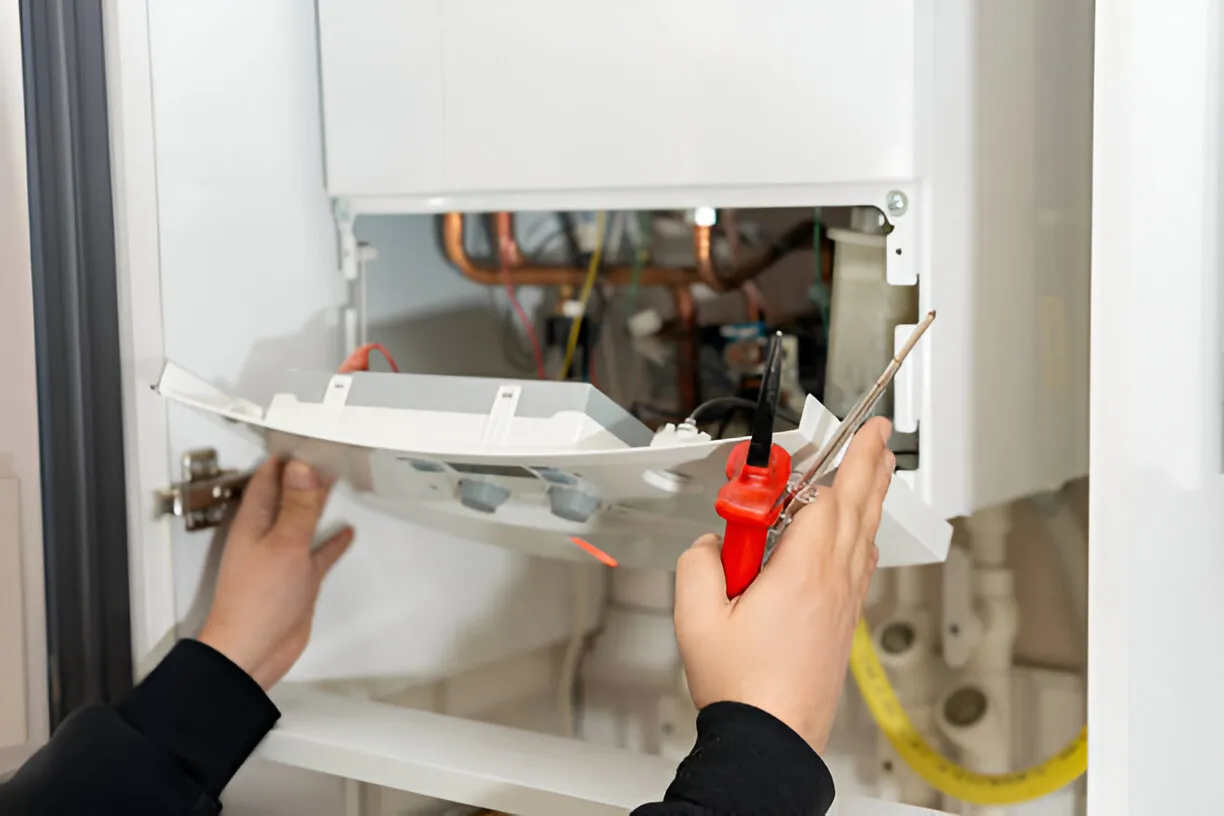
Why timely boiler repair matters in Hilltop, OH
Hilltop homes often face prolonged freezing temperatures in winter and periodic cold snaps in shoulder seasons. That makes even short interruptions in heating a serious comfort and safety concern. Older homes in the area also frequently have cast-iron boilers or aging components that deteriorate faster in humid summers and freezing winters. Prompt repair reduces the risk of system damage, water leaks that cause freeze-related ruptures, and hazardous conditions like carbon monoxide exposure.
Common boiler problems in Hilltop, OH
- No heat or hot water: Often caused by fuel supply issues, failed ignition, or faulty controls. In cold weather these issues become urgent.
- Short cycling: Boiler turns on and off frequently. Typically caused by improper sizing, low water pressure, or failing controls.
- Leaks and water damage: Corroded heat exchangers, failed pressure relief valves, or loose connections can produce leaks. Freeze and thaw cycles in Hilltop raise the risk of pipe stress and joint failures.
- Strange noises: Kettling, banging, or gurgling usually point to scale buildup, trapped air, or poor circulation.
- Pilot or ignition failure: Problems with the pilot light, flame sensor, or ignition module prevent reliable starts.
- High energy use: Worn burners, dirty components, or inefficient controls increase fuel consumption.
- Carbon monoxide concerns: Cracked heat exchangers, blocked flues, or improper combustion can create CO risks.
Emergency repair situations and immediate safety steps
Emergency boiler repair situations include no heat during freezing weather, strong smell of gas, visible water flooding, or a triggered carbon monoxide alarm. If you suspect dangerous conditions:
- Evacuate the building if you suspect carbon monoxide or a gas leak.
- Avoid operating the boiler or other fuel-burning appliances.
- If safe, shut off the gas at the main valve and switch the electrical power to the boiler off.
- Ventilate the space by opening windows if a gas odor is present.
- Contact emergency services for a suspected gas leak or life safety threat.
These safety steps stabilize risk while you arrange for professional emergency service.
Diagnostic and troubleshooting procedures
A systematic diagnostic approach helps resolve problems faster and prevents unnecessary repairs. Typical steps used by professional technicians include:
- Initial interview and symptom review: Gather model, age, symptoms, and recent events such as freeze or power loss.
- Visual inspection: Check for leaks, corrosion, water level, pipe insulation, and combustion venting.
- Controls and power checks: Verify thermostat settings, circuit breakers, and DIP switch or control board statuses.
- Fuel and ignition testing: Confirm gas or oil supply, examine the burner flame, ignition sequence, and flame sensor.
- Pressure and temperature measurement: Check boiler pressure, expansion tank, and operating temperatures.
- Combustion and CO analysis: Use combustion analyzers to verify safe combustion and test for carbon monoxide in flue gases and living spaces.
- Component isolation: Test pumps, valves, circulators, and sensors to isolate the failing part.
- Leak and heat exchanger checks: Perform dye or pressure tests and inspect heat exchangers for cracks or corrosion.
A clear diagnostic report will identify causes, recommended repairs, and whether a temporary fix or full replacement is appropriate.
Typical component repairs and replacements
Common repairs carried out in Hilltop homes include:
- Burner repairs or cleaning: Restores proper flame and combustion efficiency.
- Controls and circuit boards: Replace or reprogram faulty control modules, relays, or thermostats.
- Heat exchanger repair or replacement: Address cracked or corroded exchangers that can cause leaks and CO risk.
- Ignition components: Replace electrodes, igniters, or flame sensors.
- Pumps and circulators: Repair or replace failed circulation pumps that cause no heat or noisy operation.
- Valves and fittings: Repair pressure relief valves, zone valves, and mixing valves to stop leaks and restore proper pressure.
- Expansion tanks and pressure controls: Restore correct system pressure and eliminate short cycling.
- Flue and vent repairs: Clear blockages and repair damaged venting to ensure safe exhaust.
Each repair includes testing after completion to confirm safe, efficient operation.
Expected response times
Response times in Hilltop vary by the severity of the issue and local availability. Typical expectations:
- Emergency issues (no heat in freezing conditions, gas smell, active leaks, or CO alarm): expedited response, commonly within a few hours when available.
- Urgent non-emergencies (intermittent heating loss, significant noise, or major performance loss): often scheduled same day or next business day depending on local demand.
- Routine service and diagnostics: usually scheduled within several days to a week.
Technicians will prioritize life safety concerns and severe weather impacts common in Hilltop winters.
Warranty and guarantee policies to expect
When arranging repairs, know the typical warranty and guarantee structures:
- Manufacturer warranties: New parts and boilers often carry manufacturer parts warranties; durations vary by item and brand.
- Labor warranties: Reputable service providers commonly warrant labor for a set period after repair. Confirm the length and coverage.
- Parts and labor coverage: Understand whether warranty covers only parts, or parts plus labor and any return visits.
- Transferability and documentation: Keep invoices, part numbers, and warranty paperwork. Manufacturer warranties may require installation by licensed technicians.
- Warranty limitations: Warranties may be voided by improper maintenance, unauthorized repairs, or failure to follow usage guidelines.
Request clear warranty terms in writing before any major repair or replacement.
Safety checks and carbon monoxide testing
Comprehensive safety checks are essential:
- Perform combustion analysis and measure carbon monoxide at the flue and in occupied spaces.
- Inspect venting and chimney for blockages or deterioration.
- Check pressure relief valves, expansion tanks, and condensate drains.
- Verify flame color and stability and test gas pressure to burners.
- Confirm proper operation of safety interlocks, low-water cutoffs, and high-limit controls.
In Hilltop, where older boilers are common, emphasis on CO testing and vent inspections is especially important.
Scheduling emergency or routine repairs
When preparing to schedule:
- Have boiler make, model, and approximate age ready.
- Note recent symptoms, timing, and any unusual events such as power outages or freezing weather.
- Indicate whether the situation is an emergency so it can be prioritized.
- Ensure safe access to the boiler room and clear any obstructions for technicians.
- Gather warranty paperwork and previous service records if available.
Providing these details helps technicians diagnose and resolve the issue more quickly and safely.
Hot Deals & Cool Savings

.webp)
New Service Agreement Membership
.webp)
Any New Client Service
Next Service for Referring a New Client
New Service Agreement Membership
Any New Client Service
Next Service for Referring a New Client
.webp)
.webp)

Service Areas
