
Boiler Replacement in Harrisburg, OH
Boiler replacement in Harrisburg, OH with expert evaluation, installation, permits, and warranties. Learn about safe, efficient winter upgrades.

Boiler Replacement in Harrisburg, OH
Upgrading your boiler is one of the most impactful home improvements for long-term comfort, safety, and energy savings. For homeowners in Harrisburg, OH, the decision to replace an aging or failing boiler often comes after repeated repairs, rising fuel bills, or concerns about reliability during Ohio winters.
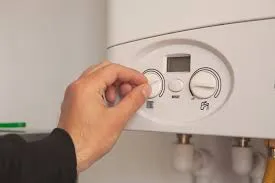
Common boiler replacement issues in Harrisburg, OH homes
Many Harrisburg homes face similar boiler problems that lead to replacement rather than repair:
- Frequent breakdowns and parts failures as units age
- Rising fuel bills as efficiency drops
- Uneven heating across rooms or slow warm-up times
- Corrosion, leaks, or cracked heat exchangers
- Old venting that is unsafe or noncompliant with current code
- Difficulty sourcing parts for obsolete models
Local winters increase run times and stress on older boilers, making timely replacement important to avoid mid-season failures and cold nights.
How we evaluate your existing equipment
A thorough evaluation ensures the replacement matches your home and heating needs:
- Visual inspection of the boiler, burner, venting, piping, and controls
- Review of age, service history, and any documented problems
- Heat loss calculation of the home to determine actual heating load
- Assessment of distribution system (radiators, baseboards, or hydronic floors)
- Fuel source review and utility service considerations
The heat loss calculation is critical. Oversized boilers cycle frequently and waste fuel; undersized units fail to maintain comfort on the coldest nights. Accurate sizing leads to better comfort, lower operating cost, and longer equipment life.
Choosing an appropriately sized, energy-efficient model
Energy efficiency and proper sizing are the two priorities when recommending replacement models:
- Look for high AFUE ratings and condensing technology for gas or propane boilers to capture more heat from combustion
- Consider modulating and staged burners to match output to demand and reduce short cycling
- For homes with limited venting options, sidewall or direct-vent options may be recommended
- If switching fuels (for example from oil to gas or to a high-efficiency electric/hybrid system), evaluate infrastructure changes and operating costs
Energy-efficient models perform best when paired with modern controls and properly sized distribution components. For Harrisburg homes, where seasonal temperature swings can be wide, a modulating-condensing boiler often balances efficiency and reliability.
Removal and disposal of old units
Safe, code-compliant removal protects your home and the environment:
- Isolate and drain hydronic lines, then disconnect gas, fuel oil, or electrical connections
- Inspect for and handle hazardous materials such as asbestos on old flue connections or insulation
- Properly cap or remove old venting and chimney liners if required
- Recycle metals and dispose of non-recyclables according to local regulations
Local disposal rules in Ohio and municipal requirements in Harrisburg govern how fuel tanks, combustion byproducts, and other materials must be handled. An assessment will note any special disposal needs before work begins.
Typical installation steps
A standard replacement follows a predictable sequence to minimize disruption:
- Finalize equipment selection and obtain necessary permits
- Schedule shutdown and prepare the site to protect floors and furnishings
- Disconnect and remove the old boiler and associated components
- Modify or install venting and combustion air provisions
- Set and level the new boiler, connect supply, return, fuel, condensate, and controls
- Fill, purge, and pressurize the hydronic system; bleed air from radiators or loops
- Start up the boiler, perform combustion and safety checks, and tune controls
- Walk through operation and basic maintenance items with the homeowner
Install complexity varies with structural constraints, venting route changes, and whether distribution piping needs alteration.
Permits and code compliance in Harrisburg, OH
Permits and inspections are part of a compliant installation:
- Local building or plumbing permits are typically required for boiler replacement
- Gas boilers require gas line work and inspection by the utility or local inspector
- Combustion air, venting clearances, and chimney modifications must meet Ohio code and local amendments
- Final inspection verifies proper installation, safety devices, and proper venting for combustion products
Working through the permit process prevents delays, ensures safety, and keeps insurance coverage intact.
Expected timeline
A typical replacement timeline includes:
- Evaluation and proposal: a few days to a week depending on scheduling
- Permit approval: varies by municipality; often several days to a few weeks
- Installation: most like-for-like replacements are completed in one to three days; complex retrofits take longer
- Final inspection and commissioning: usually within a few days of installation
Weather, parts availability, and permit turnaround in Harrisburg can affect scheduling, especially during peak heating season.
Cost considerations and financing options
Replacement cost depends on equipment choice and installation complexity rather than a single number:
- Factors that influence cost include boiler type and efficiency, sizing, venting changes, distribution modifications, and necessary fuel work
- Financing options commonly used include home improvement loans, energy efficiency financing, and dealer payment plans that allow spreading the investment over time
- Consider total lifecycle cost: higher-efficiency units often lower annual fuel expense and can offset higher initial costs over time
A written estimate that outlines equipment, labor, permits, and warranties helps compare options and plan financially.
Rebates and efficiency incentives
Efficiency incentives can reduce the net cost of a high-efficiency replacement:
- Utility programs in Ohio and state incentives sometimes offer rebates for qualifying equipment
- Available incentives vary by appliance type, efficiency rating, and the utility or state program rules
- Incentives may apply to condensing boilers, advanced controls, or conversions from oil to gas or electric
During the evaluation phase, check current incentive availability and qualification requirements to incorporate savings into the purchase decision.
Post-installation testing, commissioning, and warranties
Proper commissioning maximizes performance and safety:
- Combustion analysis ensures safe and efficient burner operation
- System balancing and temperature control checks ensure even heat distribution
- Leak and pressure tests confirm system integrity
- Review of control settings, outdoor reset, and thermostat scheduling
New boilers carry manufacturer warranties on parts and heat exchangers and installers typically provide labor warranties. Keep documentation and schedule annual maintenance to preserve warranty coverage and system efficiency.
Long-term benefits and maintenance tips
A correctly selected and installed boiler brings improved comfort, lower operating costs, and greater reliability for Harrisburg homes. To protect your investment:
- Schedule annual inspection and tune-up
- Maintain proper water treatment for hydronic systems
- Monitor for unusual noises, odors, or performance changes
- Keep vents and flues clear and ensure carbon monoxide detectors are functioning
Replacing an aging boiler is both a safety and efficiency upgrade that pays dividends in comfort and predictable operation through Ohio winters.
Hot Deals & Cool Savings

.webp)
New Service Agreement Membership
.webp)
Any New Client Service
Next Service for Referring a New Client
New Service Agreement Membership
Any New Client Service
Next Service for Referring a New Client
.webp)
.webp)

Service Areas
