
Boiler Installation in Harrisburg, OH
Boiler installation in Harrisburg, OH delivers reliable heat, safety, and energy efficiency. Schedule installation today to maximize comfort and savings.

Boiler Installation in Harrisburg, OH
Replacing or installing a new boiler is one of the most important investments for comfort, safety, and energy efficiency in Harrisburg, OH homes. With Ohio’s cold winters and freeze-thaw cycles, the right boiler sized and installed correctly prevents frozen pipes, uneven heating, and high utility bills.
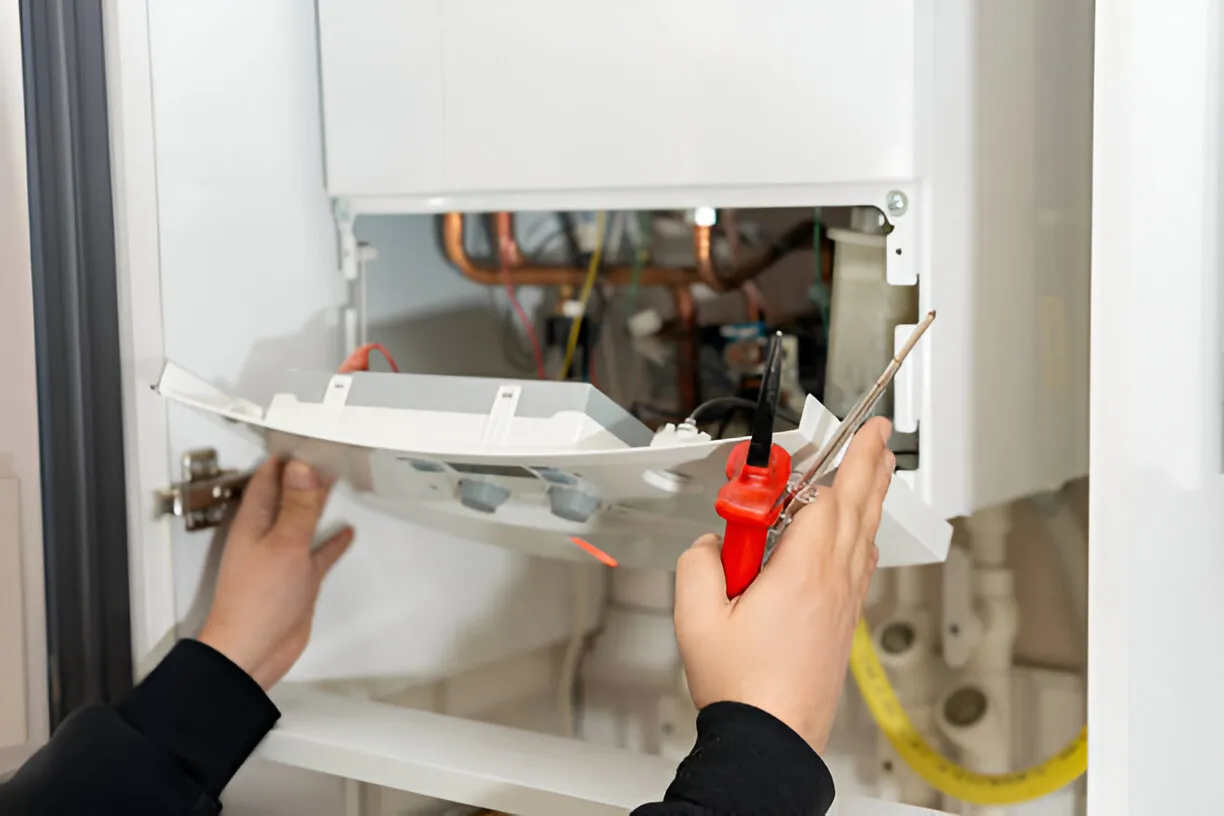
Why professional boiler installation matters in Harrisburg, OH
- Ohio winters demand reliable heat; poor installations increase risk of mid-season failures.
- Older houses in the region often have undersized or inefficient boilers; a modern system can improve comfort and lower operating costs.
- Local fuel availability varies: many neighborhoods have natural gas service, while outlying or rural properties may rely on propane, oil, or electric solutions. Choosing the correct fuel and venting is essential for safety and efficiency.
Common boiler types and fuel options for Harrisburg homes
- Gas-fired boilers (natural gas or propane): Most common where pipelines exist. Efficient, responsive, and available in condensing and non-condensing models.
- Oil-fired boilers: Still used in some older or rural homes without gas access. Requires tank management and different venting.
- Electric boilers: Simple to install where electric capacity allows; best for smaller homes or where fuel options are limited.
- Condensing vs non-condensing: Condensing boilers recover heat from exhaust gases and achieve higher efficiency (AFUE). They require proper condensate drainage and often PVC or stainless venting.
Site assessment and system sizing
A proper installation starts with a thorough site assessment and a heat loss calculation for your home.
- Heat loss calculation: Evaluates insulation, window area, orientation, air infiltration, and local design temperature to determine required boiler output (BTUs). This prevents oversizing, which wastes fuel and causes short cycling.
- System review: Inspect existing distribution (radiators, baseboards, in-floor hydronic), pipe condition, and controls. Identify needed upgrades such as expansion tanks, pressure relief valves, or zone controls.
- Fuel and supply checks: Verify gas line size, propane tank capacity, oil tank condition, and electrical service for electric boilers or electronic controls.
Selecting boiler models and fuel type
- Match capacity to calculated load, not to the old boiler’s rating.
- Efficiency (AFUE): Higher AFUE reduces operating costs; condensing boilers typically offer the best long‑term savings in cold climates like Ohio.
- Modulating/condensing vs fixed-output: Modulating units adjust output to demand for better comfort and efficiency.
- Controls and zoning: Modern thermostats, outdoor reset controls, and zone valves can improve comfort and reduce fuel use, especially in multi-level Harrisburg homes.
Step-by-step installation procedure
- Pre-installation planning: Finalize model, fuel connection, venting route, and permit needs. Order equipment and materials.
- Site preparation and shutdown: Drain existing system if replacing, isolate fuel lines and electrical power.
- Removal of existing equipment: Safely disconnect and remove the old boiler and associated components; dispose per local codes.
- Mounting and connections: Install the new boiler on a stable base; complete gas/fuel, electrical, supply and return piping, and controls.
- Venting and condensate plumbing: Install appropriate venting (metal chimney liner, PVC, or stainless) and condensate drain for condensing units.
- System fill, air purge, and pressure checks: Fill the system, purge air from radiators or circuits, and confirm correct pressure and expansion tank function.
- Combustion and safety checks: Test combustion (if applicable), verify flue draft, test safety devices, and ensure proper shutoffs.
- Commissioning and homeowner orientation: Calibrate controls, zone settings, and demonstrate operation and maintenance items to the homeowner.
Venting and piping considerations in Harrisburg
- Chimney liners vs direct vent: Older masonry chimneys may require a stainless liner. Condensing boilers often use PVC or CPVC for venting due to lower flue temperatures.
- Combustion air: Ensure sealed-combustion units have proper makeup air, especially in tightly insulated Harrisburg homes.
- Condensate management: Condensing boilers produce acidic condensate; routing to an approved drain or neutralizer is necessary.
- Hydronic piping: Use appropriate materials and slope for condensate and return lines; include air vents, dirt separators, and backflow prevention where required.
- Freeze protection: Insulate exposed piping in unheated spaces and consider freeze-protection controls for seasonal buildings.
Permits and inspections
- Local permits are typically required for fuel connections, mechanical work, and venting modifications. In Harrisburg, OH, this involves submitting equipment details and installation plans to your municipal or county building department and scheduling inspections at key stages.
- Inspections commonly include gas piping, combustion appliance venting, electrical connections, and final mechanical hookup.
- Working with professionals familiar with local code and inspection practices ensures a smoother approval process.
Typical timeline: from quote to commissioning
- Initial consultation and site assessment: 1 to 7 days, depending on scheduling.
- Proposal and model selection: 1 to 3 days after assessment.
- Permitting and equipment ordering: 1 to 3 weeks; expedited orders shorten this phase.
- Installation duration on-site: 1 to 3 days for straightforward replacements; up to a week for system upgrades, piping rework, or complex venting.
- Inspections and commissioning: Inspections are often scheduled within a few days of installation completion depending on local availability.
Warranty and maintenance recommendations
- Manufacturer warranty: Varies by model and component. Understand what the warranty covers (heat exchanger, controls, or entire unit) and length of coverage.
- Labor warranty: Professional installations often include a workmanship warranty from the installer for a defined period.
- Recommended maintenance:
- Annual inspection and tune-up before the heating season.
- Clean combustion components and check for leaks, pressure, and venting integrity.
- Test safety controls and verify proper operation of thermostats and zone valves.
- Water treatment and flushing schedules for systems with recurring corrosion or mineral buildup.
Cost breakdowns (what affects your investment)
Instead of price figures, understand the components that comprise cost:
- Equipment: Boiler type, efficiency rating, and size.
- Fuel system work: Gas line upgrades, propane tank work, or oil tank replacement.
- Venting and chimney work: Liner installation, PVC runs, or chimney repairs.
- Piping and distribution: New baseboard, radiator work, or hydronic tubing; additional materials like pumps, expansion tanks, and valves.
- Controls and zoning: Smart thermostats, outdoor reset, and zone control devices.
- Permits and inspections: Local fees and required compliance work.
- Labor and complexity: Accessibility, structural modifications, and time on site.
Benefits of a correctly installed boiler in Harrisburg homes
- Improved winter reliability and even comfort across rooms.
- Lower operating costs through proper sizing and higher efficiency models.
- Fewer emergency repairs and extended equipment life with annual maintenance.
- Safer operation and code-compliant venting and fuel connections.
Choosing the right combination of system sizing, fuel choice, venting, and controls—plus proper permitting and professional commissioning—delivers dependable heat through Harrisburg’s cold months while minimizing operating costs. Accurate assessments, detailed planning, and routine maintenance are the foundation of a long-lasting, efficient boiler system for your home.
Hot Deals & Cool Savings

.webp)
New Service Agreement Membership
.webp)
Any New Client Service
Next Service for Referring a New Client
New Service Agreement Membership
Any New Client Service
Next Service for Referring a New Client
.webp)
.webp)

Service Areas
