
Boiler Replacement in Clintonville, OH
Boiler replacement in Clintonville, OH delivers efficient heating with modern condensing boilers. Learn more and get a quote today.

Boiler Replacement in Clintonville, OH
Replacing a boiler is one of the most impactful upgrades a Clintonville home can make for comfort, efficiency, and long-term energy savings. With cold Midwestern winters and a mix of older homes and newer construction in Clintonville, OH, an appropriately sized, modern boiler improves heating reliability, reduces fuel costs, and lowers maintenance demands.
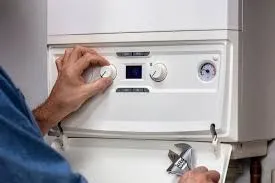
Why replace your boiler now
- Older boilers lose efficiency over time, driving up fuel costs during Clintonville’s long heating season.
- Frequent breakdowns, rising repair costs, and difficulty finding replacement parts are common in older systems.
- Modern high-efficiency condensing boilers and properly matched distribution systems can reduce energy use and improve comfort.
- Replacing a failing unit prevents emergency failures on the coldest nights and adds resale value to homes in the Clintonville neighborhood.
Common boiler problems and replacement indicators in Clintonville, OH
- Repeated pilot outages, ignition failures, or rusted heat exchangers.
- Rising fuel bills despite unchanged usage patterns.
- Uneven heat, rooms that never reach setpoint, or slow heat-up times.
- Persistent leaks or water stains around boiler, indicating corrosion.
- Obsolete fuel types, poor venting, or systems incompatible with current efficiency standards.
System evaluation and load sizing
A successful boiler replacement starts with a detailed evaluation of your home and heating loads:
- Inspect the existing boiler, piping, radiators/baseboard or in-floor hydronic system, chimney/venting, and controls.
- Perform a room-by-room heat loss calculation to determine accurate sizing. Clintonville homes often have mixed insulation levels and older windows that affect heat loss.
- Evaluate domestic hot water needs if the boiler provides DHW, and determine whether indirect water heaters or integrated solutions are preferable.
- Assess fuel availability and infrastructure: natural gas service is common in Clintonville, but some homes use propane, oil, or electric boilers.
Accurate sizing prevents short-cycling and ensures efficient operation. Oversized boilers lead to inefficiency and wear; undersized units fail to maintain comfort on the coldest days.
Comparing energy-efficient models and fuel types
- High-efficiency condensing boilers (natural gas or propane): Best annual fuel utilization for many Clintonville homes. Condensing units recover heat from flue gases, delivering higher efficiencies.
- Modulating/condensing boilers: Offer variable output to closely match load, reducing cycling in homes with variable heat demands.
- Cast-iron vs. stainless steel heat exchangers: Stainless steel or aluminum heat exchangers resist corrosion in condensing systems; cast iron remains common in traditional boilers.
- Oil and electric options: Oil remains an option where gas is unavailable; modern oil burners and indirect water heaters can improve performance. Electric boilers are simple but may be more costly to operate depending on local electricity rates.
- Controls and zoning: Advanced thermostatic controls, outdoor reset, and zoning valves boost comfort and efficiency in Clintonville’s variable weather.
Removal and disposal of the old unit
- Safe disconnect of fuel, electrical, and plumbing connections.
- Proper vent and chimney inspection; flue liners may require repair or replacement.
- Environmentally responsible disposal or recycling of the old boiler and components in accordance with local waste regulations.
- If the old system contains oil tanks or other environmental concerns, additional remediation steps may be needed to comply with local rules.
Installation steps and typical timeline
- Obtain necessary permits and plan inspections (see next section).
- Prepare the installation area: remove the old unit, address any needed pipe or venting modifications, and ensure proper clearances.
- Install new boiler, heat exchanger, controls, expansion tank, and safety devices.
- Connect and pressure-test the hydronic system; purge air and balance zones.
- Commissioning: set control parameters, perform a combustion analysis (if fuel-fired), and verify proper operation at multiple load points.
- Final inspection and handoff documentation.
Most residential replacements are completed in a few days to a week depending on complexity, extent of piping or venting modifications, and permit processing times.
Permits and code compliance in Clintonville, OH
- Boiler replacement requires compliance with state and local building, fuel gas, electrical, and plumbing codes. Clintonville falls under Columbus/Franklin County jurisdiction, which enforces permitting and inspections.
- Permits ensure proper venting, combustion air, pressure relief, and safety controls are installed and tested.
- Proper documentation avoids delays at final inspection and ensures warranty compliance with many manufacturers.
Project cost considerations, financing, and rebates
- Project cost varies with unit efficiency, fuel type, need for piping or vent changes, zoning upgrades, and required chimney or vent repairs.
- Financing options are commonly available through contractor partners, lenders, or home improvement financing programs tailored for energy upgrades.
- Rebates and incentives may be available from federal tax credits, state energy programs, and local utility companies for qualifying high-efficiency systems. Homeowners should evaluate available incentives when comparing models to reduce net cost and improve payback.
Expected energy savings and payback
- Upgrading from an older non-condensing boiler to a modern condensing, modulating unit typically yields substantial fuel savings—often between 10 and 30 percent depending on previous equipment, fuel type, and household usage patterns.
- Incorporating controls like outdoor reset and zoning improves savings and comfort, shortening payback periods.
- Exact payback depends on fuel prices, system efficiency gain, and usage; a load-calculated system matched to a Clintonville home’s specifics delivers the most predictable long-term savings.
Warranty and post-installation support
- New boilers come with manufacturer warranties on the heat exchanger and parts; labor warranties vary by installer.
- Ensure the installation includes a clear warranty document, written startup and operating instructions, and service recommendations.
- Post-installation support typically includes startup verification, seasonal maintenance plans, and troubleshooting for controls integration. Regular annual tune-ups and combustion checks preserve efficiency and extend equipment life.
Maintenance and long-term value
- Annual inspection and cleaning, maintaining proper water chemistry, and checking pressure and expansion tanks prevent common failures.
- Simple upgrades like thermostatic zoning and insulated piping further improve performance for Clintonville homes.
- A properly selected and installed boiler improves comfort, reduces operating cost, and protects the value of older Clintonville properties susceptible to winter extremes.
Choosing the right boiler replacement in Clintonville, OH, means matching the home’s unique heating load, fuel availability, and long-term efficiency goals. A methodical evaluation, code-compliant installation, and ongoing maintenance deliver reliable heat and measurable savings through many Ohio winters.
Hot Deals & Cool Savings

.webp)
New Service Agreement Membership
.webp)
Any New Client Service
Next Service for Referring a New Client
New Service Agreement Membership
Any New Client Service
Next Service for Referring a New Client
.webp)
.webp)

Service Areas
