
Boiler Installation in Clintonville, OH
Boiler installation Clintonville OH with expert service. Learn how we size, install, and test for reliable year-round comfort.

Boiler Installation in Clintonville, OH
Replacing or installing a new boiler is one of the most important investments you can make for year-round comfort and energy efficiency in Clintonville, OH. With Central Ohio winters that routinely dip below freezing, a properly sized, code-compliant boiler ensures reliable heat, lower operating costs, and fewer emergency repairs.
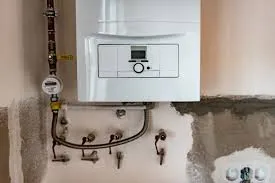
Common boiler needs and challenges in Clintonville homes
Clintonville has a mix of older, character homes and newer construction. That variety creates several common installation scenarios:
- Aging cast-iron boilers that are inefficient and prone to leaks.
- Homes with radiator or steam systems requiring careful adaptation for modern units.
- Limited mechanical room space that affects unit selection and venting options.
- Cold basements and inconsistent room temperatures because of undersized systems or poor zoning.
- Fuel diversity: many properties have natural gas service, while some use propane or oil.
Understanding these local patterns helps determine the right approach for each installation and avoid surprises during permitting or venting work.
Initial site assessment and accurate sizing
A reliable installation begins with a detailed site assessment:
- Inspect existing piping, radiators/emitters, boiler room clearance, and venting/chimney condition.
- Verify fuel type and meter or tank placement for gas, propane, or oil systems.
- Perform a heat loss calculation for the home (industry-standard Manual J or equivalent). Proper sizing avoids short cycling, inefficiency, and discomfort.
- Evaluate domestic hot water needs if considering a combi boiler or indirect hot water tank.
- Check electrical service available for circulator pumps, zone controls, and any new electrical hookups.
Accurate sizing is essential in Clintonville where cold snaps increase demand. Oversizing can waste fuel and shorten equipment life; undersizing leaves your home cold.
System selection: combi vs conventional, condensing vs non-condensing
Choosing the right boiler depends on home layout, hot water needs, and budget.
- Combi boilers
- Combine space heating and domestic hot water in one compact unit.
- Ideal for smaller homes or where space is limited.
- Eliminates the need for a separate hot water tank but may struggle with simultaneous high hot water demand in larger households.
- Conventional boilers
- Pair with an indirect hot water tank for larger hot water volumes.
- Better suited for multi-bath homes or those with higher hot water demand.
- Condensing vs non-condensing
- Condensing boilers recover additional heat from exhaust gases and operate at higher efficiencies, especially in low-temperature hydronic systems.
- They require corrosion-resistant venting (often PVC) and condensate drainage.
- Non-condensing boilers may be a good choice when existing chimney liners are suitable and upfront budget constraints apply, but they run at lower efficiency.
An installer will recommend the best configuration based on assessed heat loads, existing distribution systems, and long-term operating cost comparisons.
Fuel, venting, and piping considerations in Clintonville
Fuel and venting choices materially affect installation scope:
- Natural gas is common in Clintonville; confirm meter capacity and line pressure for high-efficiency units.
- Propane and oil systems are still present; oil boilers need safe tank placement and combustion air considerations.
- Condensing units typically require PVC or polypropylene venting and a properly trained installer for safe condensate disposal.
- Non-condensing units may use existing masonry chimneys but often need a stainless steel liner for safety and code compliance.
- Piping upgrades often include new copper or black iron runs, proper slope for gravity or steam systems, new circulator pumps, expansion tanks, and zone valves or thermostats for improved comfort control.
- Electrical work includes dedicated circuits for pumps and control wiring, and may require coordination with a licensed electrician.
Local weather and freeze risk in Clintonville mean outdoor condensate lines and exposed piping must be insulated or routed to prevent freezing.
Permits, code compliance, and timeline
New boiler installations require permits and inspections to meet Ohio and City of Columbus building and mechanical codes:
- The installer typically pulls permits with the local building department and schedules required inspections for gas, plumbing, and mechanical work.
- Code compliance covers combustion air, venting, gas piping sizing, pressure testing, and labeling.
- A typical installation timeline for a standard retrofit runs from one to three days depending on scope. Complex installations, chimney work, or system conversions (steam to hot water, or adding a combi unit where a tank existed) can take longer and may need multiple inspections.
Always ensure the installer documents permits and provides final inspection sign-offs as part of the project closeout.
Installation steps, testing, and commissioning
A professional installation follows these core steps:
- Remove existing equipment and prepare the mechanical space.
- Install new boiler and mount required components: expansion tank, circulator(s), valves, and controls.
- Complete fuel and electrical hookups to code, including pressure and leak testing on gas lines.
- Install venting or relining and condensate disposal for condensing boilers.
- Purge, fill, and pressurize the hydronic system; perform air removal and bleeding.
- Commission controls and program thermostats or zone panels for optimal operation.
- Conduct combustion analysis and efficiency verification for safety and to confirm performance.
- Balance the system, test all zones, and demonstrate system operation to the homeowner.
Comprehensive commissioning provides assurance that the system is safe, efficient, and operating as designed in Clintonville’s seasonal conditions.
Warranty, documentation, and post-install support
Good installations include clear warranty and support details:
- Manufacturer warranty information for the boiler and major components.
- Labor warranty covering workmanship for a defined period.
- Documentation provided at handoff should include model numbers, service manuals, commissioning records, and permit/inspection certificates.
- Recommended post-install maintenance: annual service, combustion analysis, filter or strainer cleaning, and periodic checks of expansion tanks and pressure.
- Consider a maintenance agreement to keep the system efficient and reduce the risk of winter breakdowns.
Benefits and long-term considerations
A properly executed boiler installation delivers:
- Lower annual fuel costs through improved efficiency.
- More consistent indoor temperatures and better hot water availability.
- Reduced risk of emergency failures during Clintonville’s coldest months.
- Longer equipment life and predictable maintenance needs.
When planning a boiler installation in Clintonville, OH, prioritize accurate sizing, code-compliant venting and gas work, and thorough commissioning. These steps preserve comfort, safety, and energy savings over the life of the system while addressing the specific needs of local homes and winter conditions.
Hot Deals & Cool Savings

.webp)
New Service Agreement Membership
.webp)
Any New Client Service
Next Service for Referring a New Client
New Service Agreement Membership
Any New Client Service
Next Service for Referring a New Client
.webp)
.webp)

Service Areas
