
Boiler Replacement in Berwick, OH
Boiler replacement in Berwick, OH: learn sizing, fuel options, warranties, financing, and the replacement process. Learn more today.

Boiler Replacement in Berwick, OH
Replacing a residential boiler in Berwick, OH is a major home investment that improves comfort, safety, and long-term energy costs. With cold, snowy winters and seasonal freeze cycles, Berwick homes rely on dependable heating.
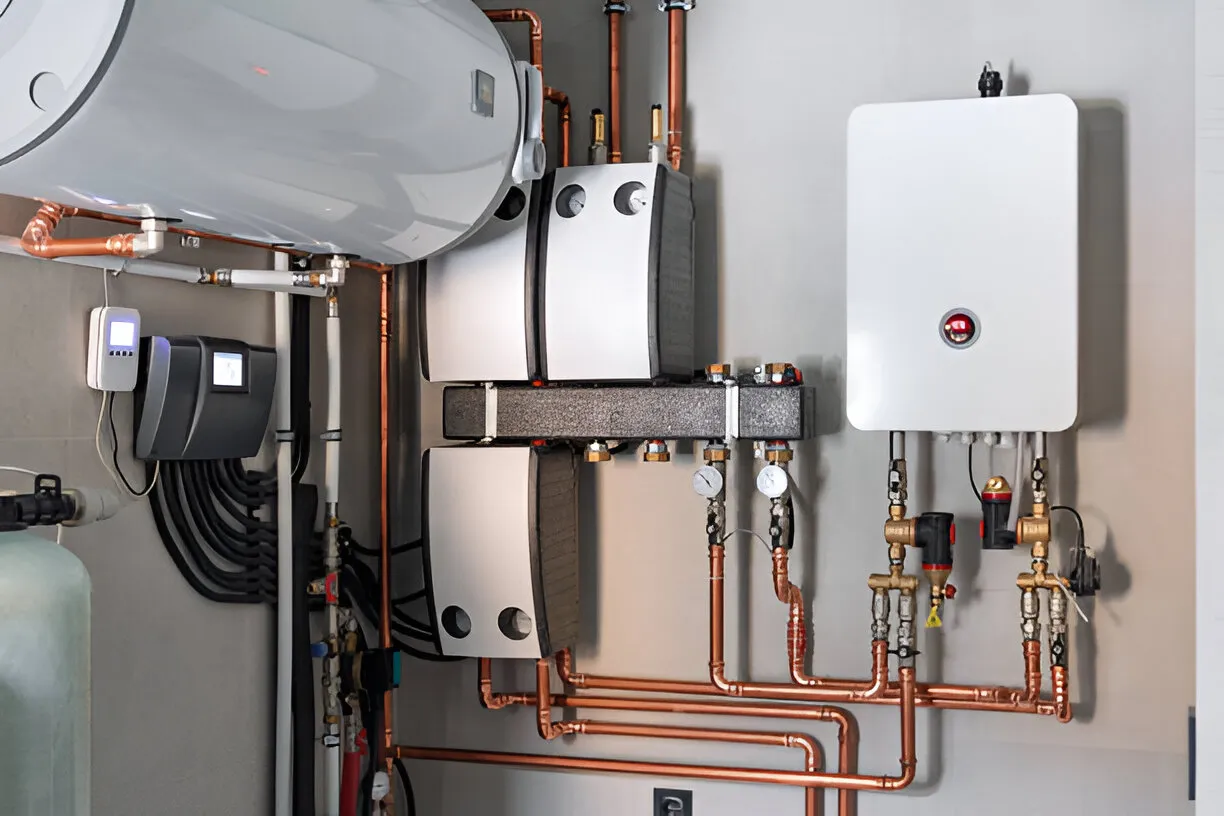
When to Replace vs Repair
Knowing whether to repair or replace your boiler depends on age, condition, and performance:
- Age: Boilers older than 15 to 20 years frequently lose efficiency and become more costly to maintain.
- Frequent breakdowns: Recurring repairs are a strong sign replacement will be more economical over time.
- Safety or reliability concerns: Cracked heat exchangers, persistent leaks, or venting problems justify replacement rather than patch repairs.
- Efficiency and comfort: If your home has cold spots, long warm-up times, or rising fuel costs, a modern high-efficiency boiler can deliver measurable savings.
- Parts availability: Older or discontinued models may be expensive or impossible to service.
In Berwick, where prolonged cold spells are common, choosing replacement earlier can avoid mid-winter failures and costly emergency service calls.
Common Boiler Problems in Berwick, OH
- Corrosion and leaks from humid seasonal cycles and older piping
- Inefficient combustion from aging burners or worn controls
- Poor distribution due to unbalanced hydronic systems or undersized units
- Failure of safety components after years of wear, posing a risk in cold months
- Inadequate venting or flue damage from freeze-thaw and ice buildup
Site Assessment and Load Calculations
A proper boiler replacement starts with a thorough site assessment and heating load calculation to match capacity to your home’s needs:
- Building assessment: Inspect insulation, window performance, ductwork or hydronic piping, and existing distribution (radiators, baseboards, or in-floor systems). Berwick homes with older construction may need adjustments for heat loss.
- Heating load calculation: Technicians use established procedures to calculate how much heat your home requires at the coldest expected temperatures. This accounts for square footage, ceiling height, insulation levels, window types, and local design temperature for Berwick, OH.
- Sizing: Correct sizing avoids oversized boilers that cycle inefficiently and undersized units that fail to keep up on the coldest days. Modern systems often use modular or condensing designs that modulate output to match load precisely.
Fuel Types and High-Efficiency Models
Choosing fuel and technology affects operating cost, installation complexity, and suitability for Berwick homes.
- Natural gas: Common in many Ohio neighborhoods when service is available. Gas condensing boilers with high AFUE ratings are efficient and compact.
- Propane: A viable alternative where gas mains are not present. Propane boilers are similar in performance to gas but require tank storage.
- Oil: Still used in some older homes. Modern oil-fired boilers are cleaner and more efficient than older units but generally require more maintenance than gas.
- Electric and heat pump boilers: Electric boilers are simple but can be costly to operate in high-demand periods. Hybrid systems that combine heat pumps with a backup boiler can be efficient in milder months.
- High-efficiency condensing boilers: Capture latent heat from exhaust gases and can reach significantly higher efficiency than non-condensing units. In Berwick’s cold climate, pairing a condensing boiler with proper controls yields consistent savings when sized and piped correctly.
- Combi boilers: Provide space heating and on-demand domestic hot water in a compact package; suitable for smaller homes or where space is limited.
Replacement Process: Removal to Commissioning
A professional replacement follows structured steps to ensure safety and performance:
- Pre-installation assessment: Confirm load calculations, fuel supply, venting options, and permit requirements under local codes in Berwick.
- Site preparation: Clear access, protect floors and finishes, and prepare new equipment location.
- Removal: Safely disconnect and remove the old boiler, reclaim and dispose of refrigerants or fluids according to regulations, and cap utilities as required.
- Installation: Set the new boiler, connect piping, fuel lines, electrical, and controls. Upgrade flue or venting if required for a condensing unit.
- Controls and integration: Install modern thermostatic controls, outdoor reset, zoning systems, and smart interfaces if desired. Proper controls maximize efficiency in Berwick’s variable weather.
- Commissioning and testing: Leak tests, combustion analysis, flow balancing, and system programming ensure the new system operates safely and at rated efficiency.
- Final inspection and paperwork: Permits and inspections confirm compliance with local building and safety codes.
Costs, Financing, and Rebate Options
While specific pricing varies, replacement cost drivers include system type, fuel conversion needs, venting modifications, piping upgrades, and control add-ons. Berwick homeowners should consider:
- Cost factors: Equipment efficiency, required site modifications, zoning complexity, and labor expertise.
- Financing options: Many homeowners use energy financing programs or home improvement loans to spread payments over time. Seasonal or emergency financing availability can vary.
- Incentives and rebates: Federal tax credits, state energy programs, and local utility rebates may apply for high-efficiency installations or fuel-switching upgrades. Eligibility often depends on model efficiency and documentation. Homeowners should review current local utility and state incentive programs for Berwick, OH to identify potential savings.
Timelines, Permits, and Local Considerations
- Typical timeline: From assessment to final commissioning, most residential replacements take from a few days to a week, depending on complexity, permitting, and parts availability. More extensive upgrades, fuel conversions, or system redesigns extend the schedule.
- Permits and inspections: Local permits and inspections are standard; compliance with state and municipal codes ensures safety and protects warranty coverage.
- Seasonal scheduling: Planning replacement before the coldest months reduces the risk of emergency failures and limited contractor availability.
Warranty Coverage and Aftercare
- Manufacturer warranty: Covers defects in the heat exchanger and major components; terms vary by model and efficiency tier.
- Installer warranty: Many installers offer service warranties on workmanship—confirm scope and duration.
- Maintenance: Annual inspection, combustion tune-up, and system flushing when needed preserve efficiency and extend service life. In Berwick’s climate, regular maintenance prevents freeze-related failures and supports reliable winter performance.
Why Replacement Often Pays Off in Berwick, OH
Replacing an aging boiler with a properly sized, high-efficiency system improves year-round comfort, reduces fuel use, lowers risk of mid-winter failure, and can raise home value. When a replacement is guided by accurate load calculations, modern controls, and professional commissioning, homeowners in Berwick can expect more consistent indoor temperatures, quieter operation, and improved energy performance tailored to local weather conditions. Regular maintenance and awareness of available incentives help protect that investment for years to come.
Hot Deals & Cool Savings

.webp)
New Service Agreement Membership
.webp)
Any New Client Service
Next Service for Referring a New Client
New Service Agreement Membership
Any New Client Service
Next Service for Referring a New Client
.webp)
.webp)

Service Areas
