
Boiler Maintenance in Berwick, OH
Boiler maintenance in Berwick, OH keeps your home safe and efficient with seasonal tune-ups. Learn more about service frequency and pricing.

Boiler Maintenance in Berwick, OH
A well-maintained boiler keeps your Berwick, OH home warm, safe, and energy-efficient all winter. Routine boiler maintenance and seasonal tune-ups reduce breakdown risk during the cold months, extend the life of your equipment, and ensure safe combustion—critical in a region that experiences freezing temperatures and heavy heating demand.
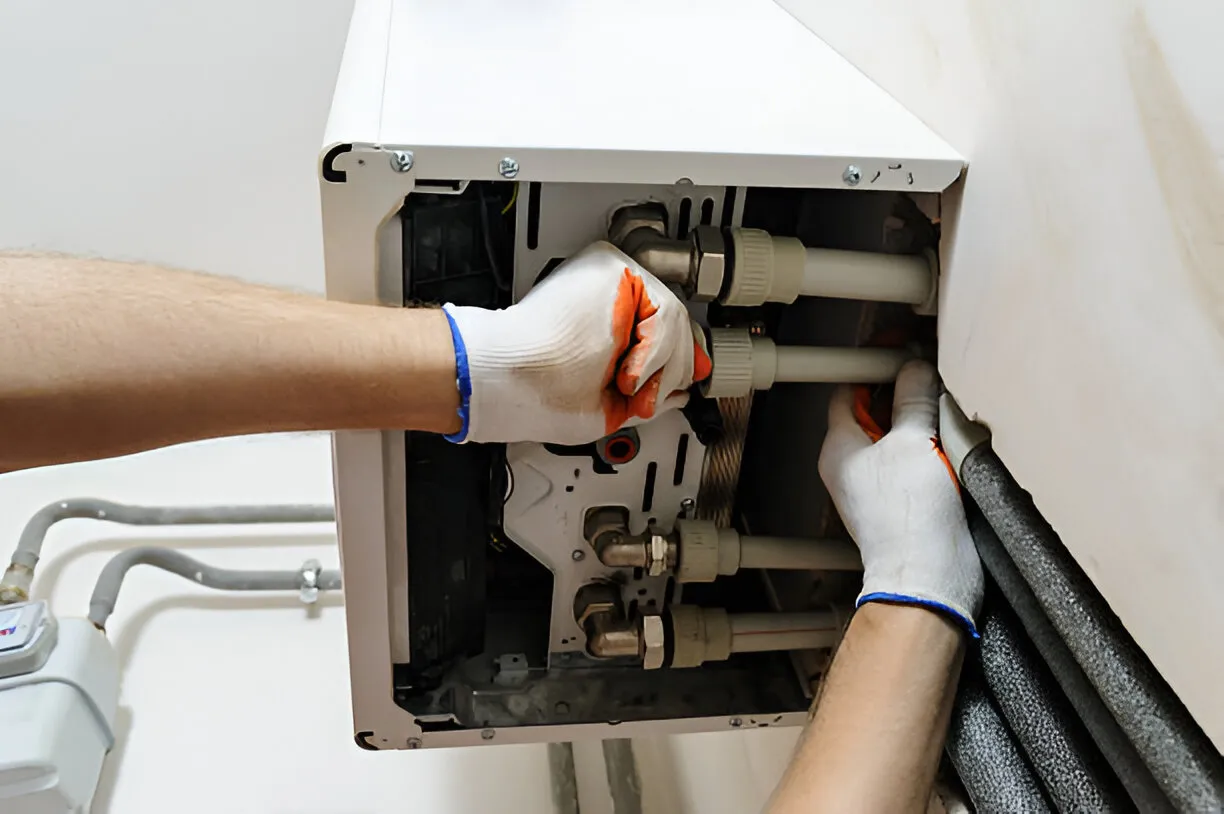
Why regular boiler maintenance matters in Berwick, OH
Berwick faces cold winters that push boilers to work hard for months at a time. That continuous operation increases wear and exposes systems to risks caused by freeze-thaw cycles, mineral buildup from local water hardness, and soot or combustion byproduct accumulation. Regular maintenance:
- Restores combustion efficiency and lowers fuel use.
- Identifies wear and failing components before they cause a breakdown.
- Reduces safety risks such as carbon monoxide and pressure-related failures.
- Keeps warranties valid and helps sustain resale value for older systems.
Common boiler issues in Berwick, OH
Local climate and typical home systems in the area lead to a predictable set of problems:
- Clogged or dirty heat exchangers and burners that lower efficiency.
- Pressure loss or frequent pressure fluctuations from small leaks, failing relief valves, or air in the system.
- Circulator pump wear and noisy piping from trapped air or scale.
- Mineral scale and corrosion from moderately hard water, reducing heat transfer and eventually causing leaks.
- Faulty controls, thermostats, or zone valves leading to uneven heating and short cycling.
- Combustion inefficiency or venting problems that raise carbon monoxide risk if not inspected.
What a seasonal tune-up includes
A professional seasonal boiler tune-up for Berwick homes focuses on safety, efficiency, and preventive care. Typical tasks performed during a tune-up:
- Visual inspection of the boiler, fuel lines, venting, and combustion chamber for signs of soot, corrosion, leaks, or damage.
- Cleaning of burners and heat exchanger surfaces to restore proper flame pattern and heat transfer.
- Combustion analysis and efficiency testing to measure oxygen, carbon monoxide (CO), and flue gas temperatures; adjustments are made to optimize combustion.
- Pressure and temperature checks to confirm system is within safe operating ranges and to test the pressure relief valve.
- Expansion tank and air separator inspection and recharging or adjustment where necessary.
- Circulator pump inspection, lubrication if applicable, and vibration/operation checks.
- Inspection of electrical connections, controls, thermostat calibration, and safety interlocks.
- Water quality assessment and treatment recommendations to prevent scale and corrosion.
- Flue and venting inspection to confirm safe exhaust path and proper draft.
- Minor adjustments and tightening of fittings; recommendations for any parts showing significant wear.
The diagnostic process explained
A sound maintenance visit begins with a system history and homeowner interview about recent performance (noises, uneven heat, more fuel use). Technicians then perform pressure, temperature, and combustion tests, and visually examine all fuel, combustion, and water-side components. Results guide immediate corrective work (cleaning, adjustments) and prioritized repair recommendations. Clear documentation of findings and suggested next steps is standard; this helps you plan repairs and replacement timing based on system condition and risk.
Recommended service frequency for Berwick systems
- Annual comprehensive tune-up: Minimum recommendation for most residential boilers. Ideally scheduled in early fall before heavy use.
- Biannual inspections: Advised for older boilers (10+ years), systems with frequent cycling, or homes with known water quality issues.
- Quarterly checks: Useful for multi-zone or larger hydronic systems, or for homeowners who want maximum reliability during long, cold winters.
- After extended outages or major repairs: A full inspection and functional safety check should follow any extended shutdown or service that affects combustion, venting, or pressure controls.
Benefits of regular maintenance
Regular maintenance delivers measurable advantages:
- Improved efficiency and lower fuel consumption due to clean burners and optimized combustion.
- Fewer emergency repairs during peak cold spells when service delays are most disruptive.
- Extended component and system life by preventing early failure from corrosion, scale, or mechanical wear.
- Safer operation with reduced risk of carbon monoxide and pressure-related incidents.
- Greater predictability for budgeting since small issues are resolved before they become major repairs.
Typical service agreement options
Berwick homeowners commonly choose a level of coverage that matches their comfort with risk, budget, and system age. Typical agreement tiers include:
- Basic Annual Plan: One comprehensive annual tune-up with inspection report and maintenance reminder scheduling.
- Comprehensive Plan: Annual tune-up plus priority scheduling for emergency calls, seasonal system checks, and discounted diagnostic time.
- Premium/Protection Plan: Biannual visits, parts inspection and limited minor parts or labor coverage, priority service, and water treatment monitoring.
- Customized Plans: Tailored schedules for split-season homes, older cast-iron boilers, or hydronic systems with multiple zones, often including corrosion monitoring and annual combustion testing.
Agreements often include documented service visits, inspection reports, and recommended timelines for repairs or replacements so you can make informed decisions without surprises.
Routine homeowner maintenance between visits
Between professional tune-ups, homeowners can support system reliability by:
- Checking boiler room for leaks, unusual smells, or water stains.
- Monitoring system pressure and reporting persistent pressure loss.
- Bleeding accessible radiators or air vents to eliminate trapped air causing noisy pipes.
- Ensuring vents and air intakes are clear of snow or debris during winter.
- Watching for irregular noises, slow warm-up, or higher than normal fuel bills that could indicate the need for service.
Hot Deals & Cool Savings

.webp)
New Service Agreement Membership
.webp)
Any New Client Service
Next Service for Referring a New Client
New Service Agreement Membership
Any New Client Service
Next Service for Referring a New Client
.webp)
.webp)

Service Areas
