
Boiler Maintenance in Pickerington, OH
Boiler maintenance service in Pickerington, OH keeps your system efficient and reduces emergency repairs. Schedule a seasonal tune-up today.

Boiler Maintenance in Pickerington, OH
Keeping your boiler running reliably through Pickerington winters means more than responding to breakdowns. Boiler maintenance in Pickerington, OH focuses on preventive tune-ups and seasonal care that reduce emergency repairs, preserve efficiency, and extend equipment life. With cold temperatures, freeze-thaw cycles, and humidity patterns common to central Ohio, regular service is essential for safety and predictable heating performance in area homes.
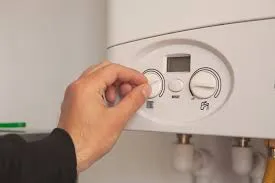
Why seasonal boiler maintenance matters in Pickerington, OH
Pickerington’s heating season typically runs from late October through March. Boilers that sit idle in the warmer months or go into winter without a professional inspection are more likely to develop leaks, corroded components, inefficient combustion, or safety control failures. Local risks include:
- Freeze-related stress on pipes and outdoor venting during sudden cold snaps
- Corrosion and mineral buildup from municipal water chemistry
- Higher runtime and wear during prolonged cold stretches
Routine maintenance reduces the chance of mid-winter failures and helps your system operate at peak efficiency when you need it most.
Common boiler issues in Pickerington homes
- Improper combustion and high flue temperatures that waste fuel
- Scale and sediment in hot water boilers that reduce heat transfer
- Malfunctioning safety controls and low-water cutoffs
- Slow leaks at valves, fittings, or heat exchanger connections
- Noisy operation from air in the system, failing circulator pumps, or worn bearings
- Inaccurate thermostats and poor zoning leading to uneven heating
Addressing these issues on a predictable schedule prevents small problems from becoming costly emergencies.
Standard seasonal tune-up checklist
A comprehensive tune-up for boilers in Pickerington includes inspections, cleaning, efficiency tests, and safety control verification. Typical items covered:
- Visual inspection of the boiler, piping, and venting for leaks, corrosion, and obstructions
- Clean combustion chamber and burner components to restore correct flame pattern
- Combustion efficiency check using a flue gas analyzer (O2/CO2, CO, stack temperature) and adjustment of burner settings
- Inspect and test burner ignition and flame detection systems
- Test safety and control devices: pressure relief valve, low-water cutoff, high-limit controls, and pressure/temperature gauges
- Inspect and clean condensate traps and neutralizers on condensing units
- Check and bleed radiators or zone loops to remove air and restore circulation
- Lubricate pumps, motors, and fan bearings where serviceable
- Inspect heat exchanger for cracks or deterioration in older boilers
- Verify thermostat calibration and zone control operation
- Check system water quality; recommend treatment or flushing if sediment or scale is present
- Perform a carbon monoxide check in the boiler room and adjacent living spaces
- Provide a written inspection report with noted deficiencies and recommended corrective actions
Diagnostic and efficiency testing explained simply
Efficiency testing is performed with a portable analyzer that measures gases in the flue. Technicians compare measured values to manufacturer specifications and adjust the burner to reduce wasted fuel and lower stack temperatures. A properly tuned boiler uses less fuel, produces fewer combustion byproducts, and runs quieter. Safety diagnostics confirm that critical backup systems will act properly in a fault condition, protecting your home from overpressure, low-water conditions, and unsafe combustion.
Recommended maintenance intervals
- Annual full tune-up: Minimum best practice for most residential boilers, scheduled before the heating season (September to October in Pickerington)
- Twice-yearly service: Recommended for older systems, high-use homes, or properties with multiple heating zones
- Mid-season safety check: Optional quick inspection in mid-winter for properties with past reliability issues
- Water treatment inspection: Annually, or sooner where mineral scale or pH concerns are known
Following the manufacturer’s recommended intervals is also important for warranty compliance.
Service plan options (what typical plans cover)
Service plans are structured to match different homeowner needs and equipment types. Common plan tiers include:
- Basic Tune-Up Plan: Annual inspection, cleaning, combustion check, and safety test
- Comprehensive Annual Plan: Includes basic tune-up plus priority scheduling, 24/7 diagnostic support, and seasonal system optimization
- Preventive Care Plan with Parts Coverage: Adds coverage for select wear items (circulator pumps, thermostats) under defined terms
- Commercial or Multi-Zone Plan: Tailored inspections and maintenance schedules for larger or more complex systems
Plans vary by scope and frequency. Homeowners in Pickerington often opt for fall enrollment to ensure service is performed before the heating season begins.
How enrollment and preventive maintenance typically work
Enrollment into a maintenance program usually follows a straightforward process designed to create a predictable schedule:
- Initial system assessment and documentation of equipment type, age, and condition
- Selection of a plan that matches usage patterns and risk tolerance
- Agreement on inspection frequency and preferred service windows
- Scheduled annual or recurring visits with pre-visit checklists and reminders
- Detailed service report after each visit with findings and recommended next steps
Maintaining records of service and repairs helps protect warranties and provides a clear lifecycle history for the boiler.
Maintenance tips for Pickerington homeowners
- Schedule your annual tune-up in September or October to avoid winter backlogs
- Keep the boiler room clear of storage items and combustibles to maintain safe airflow
- Install and test carbon monoxide alarms near sleeping areas and your boiler
- If you have an older boiler, consider a mid-season check to catch early signs of failure
- Monitor boiler pressure and system performance; unusual noises or steady pressure loss are warning signs
- Address water quality issues early to prevent scale buildup and premature heat exchanger failure
Long-term benefits of regular boiler maintenance
Routine maintenance delivers measurable value: improved heating reliability during Pickerington’s cold months, extended equipment life, lower energy consumption, and reduced emergency repair costs. Properly maintained boilers operate more efficiently, often reducing fuel use by commonly 10 to 20 percent compared with neglected systems. Beyond savings, consistent servicing enhances home safety by verifying that combustion and safety controls are functioning correctly.
Preventive boiler maintenance in Pickerington, OH provides predictable comfort and peace of mind through seasonal extremes. Proper planning, timely tune-ups, and an appropriate service plan keep your home warm, safe, and efficient year after year.
Hot Deals & Cool Savings

.webp)
New Service Agreement Membership
.webp)
Any New Client Service
Next Service for Referring a New Client
New Service Agreement Membership
Any New Client Service
Next Service for Referring a New Client
.webp)
.webp)

Service Areas
