
Boiler Installation in Pickerington, OH
Install a high-efficiency boiler in Pickerington, OH with expert site assessment, proper venting, and complete commissioning. Learn more.

Boiler Installation in Pickerington, OH
A properly specified and installed boiler keeps your Pickerington home warm through Ohio winters while maximizing fuel efficiency and long-term reliability. If you are replacing an aging unit or installing a new hydronic system, this page explains what a professional, code-compliant boiler installation looks like in Pickerington, OH: site assessment and load calculations, recommended high-efficiency options and fuel types, step-by-step installation details (venting, piping, controls), permit and code handling, commissioning and testing, warranty and maintenance handoff, plus realistic installation timelines and the primary factors that influence project cost.
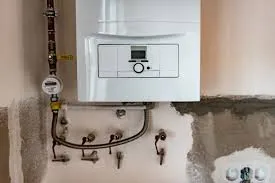
Why careful boiler selection and installation matters in Pickerington
Pickerington experiences cold winters with occasional deep freezes and variable humidity. A correctly sized, high-efficiency boiler:
- Maintains consistent indoor comfort during prolonged cold snaps
- Reduces fuel use and operating costs through improved efficiency
- Lowers the risk of freeze-related pipe damage and short cycling
- Integrates with zoning and smart controls common in modern Ohio homes
Under-sizing leads to insufficient heat and short cycling. Over-sizing wastes fuel and increases wear. Proper planning upfront avoids common replacement headaches.
Common boiler types and fuel choices for Pickerington homes
- Natural gas boilers: Widely available and typically the most economical where gas service exists. High-efficiency condensing gas boilers are common.
- Propane boilers: Common in areas without municipal gas. Performance similar to gas but fuel cost and delivery logistics differ.
- Oil boilers: Used in older or rural properties. Modern low-emission oil boilers exist but require different maintenance and storage considerations.
- Electric boilers: Simpler to install where electric rates and home load allow; effective for small homes or supplementing other systems.
- Condensing vs non-condensing: Condensing boilers reclaim heat from exhaust and offer the highest efficiency, especially beneficial in Pickerington’s cold season.
Choosing the right fuel and model depends on existing fuel service, utility rates, space constraints, and long-term plans for efficiency or electrification.
Site assessment and load calculations
A reliable installation begins with a thorough on-site assessment:
- Heat loss calculation: A room-by-room heat loss (often based on Manual J principles) determines required output in BTU/hr so the boiler is sized to your home’s actual needs.
- Existing system evaluation: Assess piping, radiators/baseboards, zone valves, boiler room ventilation, and fuel supply.
- Venting and chimney inspection: Determine whether existing chimneys or vents are serviceable for a new unit or if a direct/sidewall vent is required.
- Distribution compatibility: Confirm that radiators, baseboards, or in-floor heating are compatible with condensing temperatures or if system mods are needed.
Accurate load calculations prevent oversizing and ensure stable, efficient operation through Pickerington’s variable weather.
Installation steps: what to expect
Installation follows a clear sequence to ensure safety and code compliance:
- Preparation and removal
- Disconnect and safely remove the old boiler and associated piping if applicable.
- Inspect and prep the boiler room or closet, including floor support and clearance requirements.
2. Venting and combustion air
- Install appropriate venting: chimney liner, direct vent, or power vent. Ensure combustion air provisions meet Ohio building codes and local Pickerington requirements.
3. Fuel connections
- Connect natural gas, propane, or oil fuel lines with approved fittings and leak testing. Install shutoffs and union connections for serviceability.
4. Hydronic connections and piping
- Tie into supply and return piping with properly sized circulator pumps, expansion tank, air separation, and pressure relief valves.
- For condensing boilers, install condensate drainage to an approved drain or neutralizer.
5. Controls and zoning
- Install and program thermostats, zone valves, or smart controls. Verify compatibility of outdoor reset, cascade controls, or modulating burners to optimize efficiency.
6. Electrical and safety devices
- Provide required electrical connections, safety interlocks, and low-water cutoffs where applicable.
7. Insulation and final piping protection
- Insulate exposed hot water pipes to reduce losses and protect against freeze risk in unheated spaces.
Each step is documented and executed to meet local code and manufacturer specifications.
Permits, inspections, and code compliance in Pickerington
Boiler installations in Pickerington require adherence to Ohio building and fuel gas codes and often a city or county permit. Typical requirements:
- Permit application and approved plans before work begins
- Inspections for fuel connections, venting, combustion air, and final mechanical approval
- Manufacturer installation instructions followed for warranty validation
Professionals handle permit submittal and scheduling of required inspections to ensure the system is legal, safe, and insurable.
Commissioning and testing
Before handoff the system is commissioned:
- Combustion analysis: Verify safe and efficient combustion, CO levels, and flue temperatures for gas and oil burners.
- Leak and pressure testing: Ensure piping and fuel lines hold required pressures without leaks.
- Controls calibration: Program thermostats, set outdoor reset curves if used, and verify zone operation and pump sequencing.
- Start-up cycle: Run the system through multiple cycles to confirm stable operation and check for noise, vibration, or unusual cycling.
Commissioning maximizes efficiency and catches installation issues early.
Warranty, documentation, and maintenance handoff
On completion homeowners receive:
- Manufacturer warranty information and registration guidance
- System documentation: wiring and piping diagrams, as-installed settings, and recommended service schedule
- Maintenance recommendations: annual combustion tune-up, periodic water quality and pressure checks, air elimination and expansion tank inspection
Ongoing maintenance preserves efficiency, extends equipment life, and maintains warranty compliance. For hydronic systems, periodic water treatment and corrosion checks are advised, especially in older homes.
Typical installation timelines and what affects duration
- Like-for-like replacement: Often completed in 1 to 2 days for simple swaps where venting and piping remain compatible.
- Moderate upgrades or condensing conversions: Typically 2 to 4 days when condensate handling, venting changes, or control upgrades are needed.
- Complex installs or fuel conversions: May take 3 to 7 days when significant piping rework, new vents, or structural modifications are required.
Timeline factors include home layout, need for chimney lining or new venting, extent of piping rerouting, zoning complexity, and permit/inspection scheduling.
Factors that influence project cost and maximizing long-term value
Costs vary based on equipment efficiency, fuel type, venting needs, system complexity, and local permitting. To maximize value:
- Prioritize proper sizing and high-efficiency condensing models when compatible with existing distribution.
- Consider controls and zoning to improve comfort and reduce wasted energy in unused spaces.
- Account for long-term fuel availability and price trends in Pickerington when selecting fuel type.
- Explore available local utility rebates or federal efficiency incentives that may apply to high-efficiency boilers.
Proper planning and professional installation reduce lifecycle costs and deliver dependable heat during Pickerington’s coldest months.
Final notes
A professional, code-compliant boiler installation matched to your home’s load and distribution is the single best step to reliable, efficient winter comfort in Pickerington, OH. Thorough site assessment, correct venting and fuel connections, careful controls setup, and documented commissioning ensure the system performs as intended year after year.
Hot Deals & Cool Savings

.webp)
New Service Agreement Membership
.webp)
Any New Client Service
Next Service for Referring a New Client
New Service Agreement Membership
Any New Client Service
Next Service for Referring a New Client
.webp)
.webp)

Service Areas
