
Boiler Maintenance in Gahanna, OH
Boiler maintenance in Gahanna, OH keeps your system safe and efficient with seasonal tune-ups, safety checks, and preventative care. Learn more

Boiler Maintenance in Gahanna, OH
Keeping your boiler running reliably and efficiently is essential in Gahanna, OH, where cold winters and heavy seasonal use put real stress on heating systems. Proper boiler maintenance reduces the risk of breakdowns during freezing temperatures, improves safety, and extends equipment life.
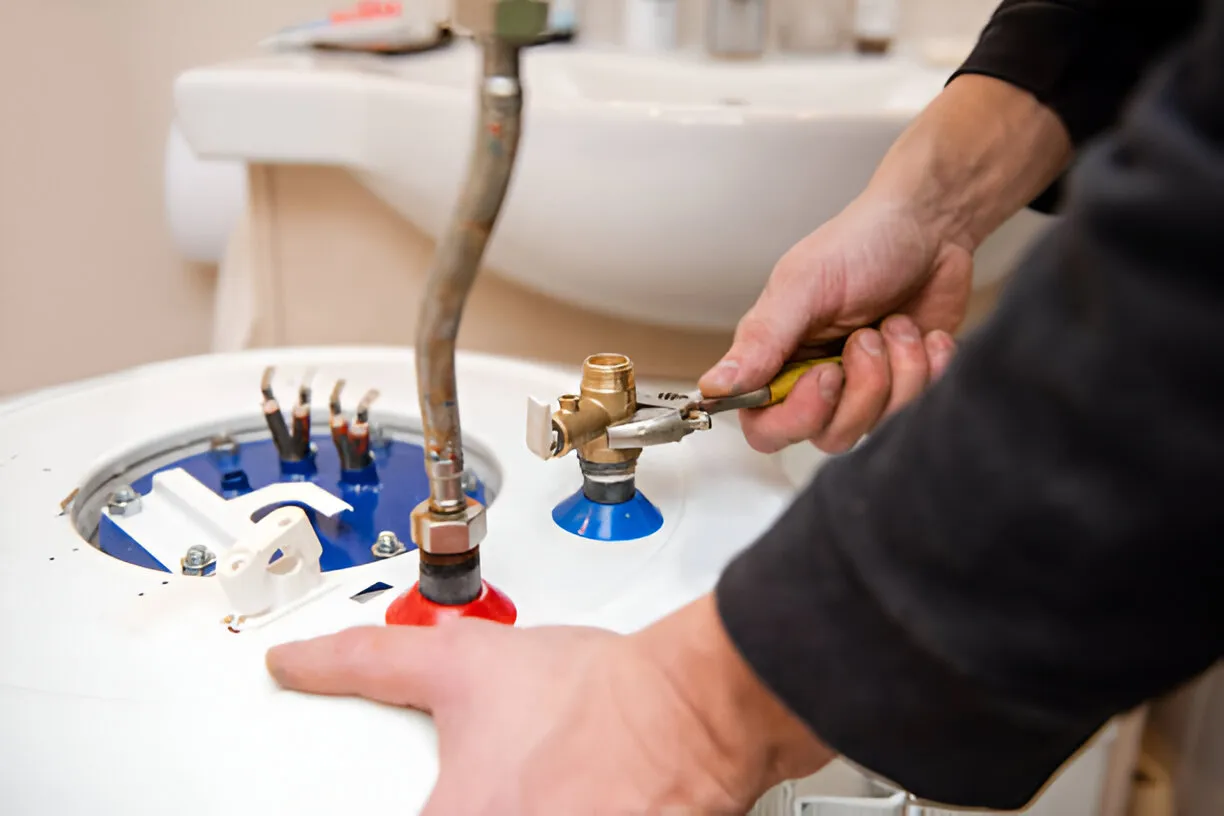
Why boiler maintenance matters in Gahanna, OH
Gahanna experiences cold, often prolonged winters with freeze-thaw cycles that increase heating demand and accelerate wear on boilers and piping. Many area homes have older cast-iron or mid-century systems that are sensitive to scale, corrosion, and soot buildup. Hard water and mineral deposits, plus the regionally common natural gas supply, mean regular cleaning, combustion tuning, and water system checks are especially important to keep systems safe, efficient, and reliable.
Common boiler maintenance issues in Gahanna, OH
- Soot or carbon buildup on burners and heat exchangers, reducing heat transfer and efficiency
- Scale and kettling from hard water that lowers heat exchange and causes noisy operation
- Cracked or corroded heat exchangers in older cast-iron boilers leading to efficiency loss or safety risks
- Faulty safety controls such as pressure relief valves, low-water cutoffs, and limit switches
- Blocked condensate traps or drains on condensing boilers causing shut-downs in cold weather
- Gas ignition failures or inconsistent pilot assembly operation due to debris or wear
- Leaking valves, pumps, or piping from pressure cycling and age
- Poor combustion tuning leading to high fuel bills and elevated CO emissions
What a seasonal boiler tune-up includes
A comprehensive seasonal tune-up is the core of good maintenance. Typical elements include:
- Visual inspection of the boiler, piping, expansion tank, and venting for leaks, corrosion, or damage
- Cleaning of burners and heat exchanger surfaces to restore proper heat transfer
- Combustion analysis and efficiency tuning using a flue gas analyzer to set correct air/gas ratio
- Testing of safety controls: pressure relief valve, low-water cutoff, high-limit control, and flame sensors
- Inspection and cleaning of condensate traps and condensate drains on condensing units
- Checking and lubricating circulator pumps, motors, and fans where applicable
- Thermostat and control calibration and verification of proper operating setpoints
- Checking boiler water chemistry and advising on scale prevention or treatment where needed
- Recording operating pressures, temperature differentials, and efficiency metrics for your records
Detailed inspection checklist
A reliable maintenance visit follows a clear checklist so nothing is missed:
- Burner flame pattern and ignition sequence
- Heat exchanger cleanliness and signs of cracking or corrosion
- Flue and vent path for blockages, corrosion, or improper draft
- Gas pressure and connections for leaks and correct service pressure
- Expansion tank condition and system pressure balance
- Circulator pump operation and electrical connections
- Boiler fill and pressure relief valve operation
- Low-water cutoff tests to confirm safe operation
- Condensate lines and traps (condensing boilers) cleared and functioning
- Water sample for hardness and pH where scale is a concern
Diagnostic process and efficiency tuning
Diagnosing boiler issues combines observation with targeted measurements. A technician will:
- Take baseline readings of supply and return temperatures to determine temperature differential and heat transfer efficiency
- Use a flue gas analyzer to measure O2, CO2, CO, and stack temperature, then adjust burner settings for optimal combustion efficiency and low CO emissions
- Test circulating flow and pump operation to ensure adequate heat distribution throughout the system
- Inspect water chemistry and recommend treatments or flushing if scaling or corrosion is detected
- Document findings and recommended corrective actions, distinguishing safety-critical repairs from efficiency or comfort improvements
Recommended service intervals and maintenance plans
- Annual full tune-up: Recommended for most hot water and steam boilers, scheduled before the heating season begins. This is the minimum for safe, efficient operation.
- Biannual inspections: Advised for older systems, commercial units, or properties with high usage to catch issues sooner.
- Post-winter check: A short spring inspection can identify winter stress issues like leaks, boiler cycling problems, or pump wear.
- Maintenance plans or agreements: These typically include scheduled seasonal tune-ups, inspection reports, priority scheduling during peak season, and documented service history. Plans help ensure consistent care that can prevent costly emergency repairs and support warranty requirements.
Benefits of preventative boiler care
- Improved safety: Regular safety control testing and combustion checks reduce the risk of carbon monoxide exposure and pressure-related failures.
- Lower fuel costs: Proper combustion tuning and clean heat exchangers increase efficiency and reduce monthly heating bills.
- Fewer emergency breakdowns: Detecting worn components early prevents winter service emergencies in freezing conditions.
- Extended equipment life: Removing soot, scale, and fixing minor leaks preserves expensive components like heat exchangers and pumps.
- Better comfort and reliability: Balanced systems and properly sized circulation improve even heat distribution across the home.
- Documentation for resale and warranty: Regular service records demonstrate care and can protect warranty coverage or support home resale decisions.
Local considerations for Gahanna homeowners
- Pre-winter tune-ups are especially valuable in Gahanna because extended cold snaps amplify the consequences of a failing boiler.
- Homes near older neighborhoods may have legacy piping and cast-iron radiators that need particular attention for air purging and pressure control.
- Hard water in central Ohio can accelerate scale buildup. Regular water checks and targeted treatments preserve efficiency and reduce kettling.
- Condensing boilers require attention to condensate lines in freezing temperatures to prevent backup and system lockout.
Regular, expert boiler maintenance keeps your home safer, more comfortable, and less expensive to heat over time. A written inspection checklist, seasonal tune-ups, and a planned maintenance schedule tailored to your system type and age are the most effective ways to protect your investment and avoid midwinter surprises in Gahanna, OH.
Hot Deals & Cool Savings

.webp)
New Service Agreement Membership
.webp)
Any New Client Service
Next Service for Referring a New Client
New Service Agreement Membership
Any New Client Service
Next Service for Referring a New Client
.webp)
.webp)

Service Areas
