
AC Tune-Up in Linden, OH
Air conditioning tune up in Linden, OH helps improve efficiency, prevent mid-season failures, and extend equipment life. Learn more about maintenance plans.

Air Conditioning Tune Up in Linden, OH
A seasonal air conditioning tune up is the single most effective preventive step Linden homeowners can take to keep their cooling system reliable throughout Central Ohio’s humid summers. A professional tune up identifies small problems before they become emergency repairs, restores system efficiency, and improves indoor comfort.
Why a tune up matters in Linden, OH
Linden sits inside the greater Columbus area where summers are warm and often humid, and spring brings heavy pollen and dust. Those seasonal conditions increase strain on outdoor condensers and indoor evaporator coils. Older homes in Linden may also have legacy ductwork or thermostats that need attention to restore balanced airflow. Regular tune ups reduce the chance of mid-summer breakdowns when repair response times and stress are highest, and they help systems operate more efficiently in a climate that demands consistent cooling.
Common AC problems in Linden homes
- Dirty or clogged air filters and ducts from pollen and spring dust
- Reduced airflow due to blocked returns or failing blower motors
- Refrigerant leaks causing low cooling capacity and compressor strain
- Dirty evaporator or condenser coils that reduce heat transfer efficiency
- Faulty capacitors, contactors, or relays that prevent reliable starts
- Thermostat drift or poor calibration that leads to uneven temperatures
- Condensate drain clogs that allow water to back up and cause indoor issues
These issues are typical in homes that skip seasonal maintenance and can be caught or prevented with a proper tune up.
What a full AC tune up covers (checklist)
A comprehensive tune up follows a methodical checklist to make sure the system is safe and efficient. Key items include:
- Filter inspection and replacement (or recommendation): Ensures unrestricted airflow and better indoor air quality.
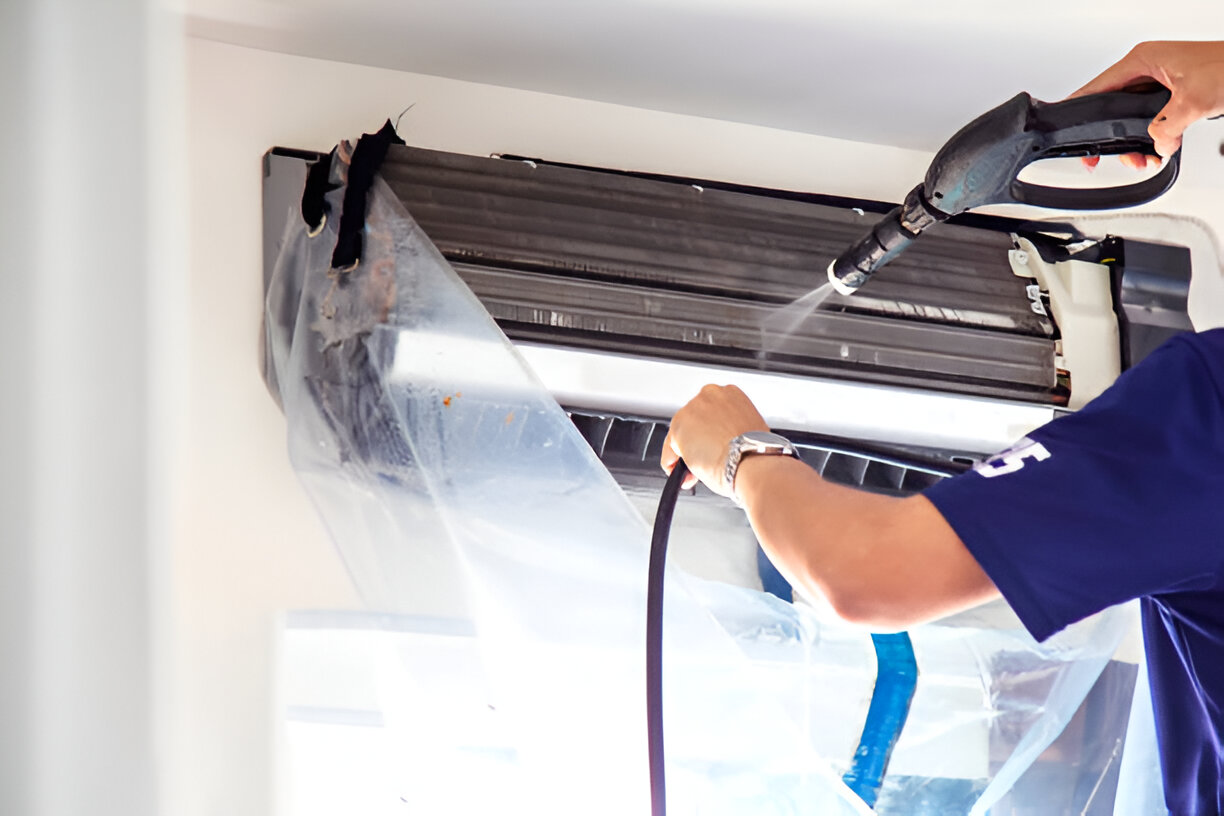
- Coil cleaning (evaporator and condenser): Improves heat transfer and prevents compressor overwork.
- Refrigerant level check and leak assessment: Confirms proper refrigerant charge; low refrigerant often indicates a leak that needs repair.
- Thermostat calibration and operation check: Verifies accurate temperature control and proper communication with the system.
- Electrical system inspection: Tests capacitors, contactors, wiring, and safety controls for signs of wear or failure.
- Blower and fan motor inspection: Measures airflow and inspects belts/bearings for wear.
- Condensate drain clearing: Prevents clogs that can cause water damage or indoor humidity problems.
- System performance testing: Measures supply/return temperatures, system pressures, and overall cooling output to verify the unit is operating within manufacturer specs.
- Visual inspection of ductwork & airflow: Identifies major leaks, disconnected ducts, or poor return placements that affect comfort.
Each item is performed to industry best practices and documented so you can see exactly what was checked and what, if anything, needs attention.
Diagnostic process — what technicians do and why it matters
Technicians begin with a visual and operational inspection, then move to diagnostic testing:
- Start the system and listen for abnormal noises that indicate mechanical wear.
- Measure temperatures across the evaporator to calculate the unit’s cooling delta.
- Check refrigerant pressures with gauges to confirm the charge and flag possible leaks.
- Inspect electrical draw and test capacitors and relays to reduce the risk of no-start conditions.
- Clean coils and remove debris from the outdoor unit so airflow is restored.
- Calibrate the thermostat and, when appropriate, evaluate programmable settings for energy savings.
This structured approach isolates root causes rather than just treating symptoms, which is essential for preventing repeat service calls.
Expected performance improvements after a tune up
After a properly completed tune up most homeowners notice:
- Faster, more consistent cooling and fewer hot/cold spots
- Improved energy efficiency and reduced running time (lower utility usage when the home is properly sealed and ducts are in good condition)
- Quieter operation with fewer startup issues
- Improved indoor air quality from clean filters and coils
- Lower risk of mid-season emergency failures and longer overall equipment life
These gains are especially noticeable in Linden during peak heat and high humidity, when a well-maintained system has to work hardest.
Recommended frequency
- Annual spring tune up: The industry standard is one preventive service before the cooling season to prepare the system for heavy use.
- Semiannual service: Consider twice-yearly visits for older systems (10+ years), homes with pets, or properties with heavy pollen/dust exposure.
- Post-repair follow-up: Any major repair or refrigerant recharge should include a follow-up inspection to confirm system stability.
Keeping a consistent schedule is the best way to catch developing issues early and avoid costly emergency repairs.
Memberships and discounts (maintenance plans)
Maintenance plans typically bundle seasonal inspections, priority scheduling, and service discounts into a single agreement. For Linden homeowners, a membership plan can include:
- Scheduled annual or biannual tune ups
- Priority or same-day service during peak seasons
- Discounts on repair labor and replacement parts
- Documentation of service history, which helps with warranty and resale value
Joining a maintenance program doesn’t just save money on repairs; it creates a predictable care routine that keeps systems reliable year after year.
When a tune up is not enough
A tune up can restore efficiency and reliability for most functioning systems, but replacement may be more economical when:
- The system is beyond typical lifespan (commonly 12 to 15+ years for traditional central AC)
- Repairs are frequent and cumulative repair costs approach replacement cost
- The system has significant compressor damage, severe refrigerant leaks, or major airflow restrictions that indicate ductwork or design issues
A technician performing a tune up will note these signs and provide an objective assessment so homeowners can make an informed decision.
Final notes on preventive care for Linden homes
Seasonal maintenance tailored to Linden’s climate—addressing pollen, humidity, and storm-related debris—delivers measurable benefits: more dependable cooling, lower energy use, and fewer emergency breakdowns. Regular tune ups paired with simple homeowner practices (regular filter changes, keeping the outdoor unit clear of leaves and debris, and setting thermostats sensibly) preserve comfort and extend equipment life. When documented as part of a maintenance plan, tune ups also protect warranties and simplify long-term budgeting for home comfort systems.
Hot Deals & Cool Savings

.webp)
New Service Agreement Membership
.webp)
Any New Client Service
Next Service for Referring a New Client
New Service Agreement Membership
Any New Client Service
Next Service for Referring a New Client
.webp)
.webp)

Service Areas
