
AC Tune-Up in Lancaster, OH
Air Conditioning Tune Up in Lancaster, OH ensures efficient operation, reduces breakdown risk, and extends life. Schedule service today.

Air Conditioning Tune Up in Lancaster, OH
A seasonal air conditioning tune up in Lancaster, OH keeps your home comfortable through hot, humid Ohio summers while protecting your system from unexpected breakdowns. Regular tune ups identify small problems before they become emergency repairs, improve cooling efficiency, and help your system run more reliably during peak demand. For Lancaster homes—where high humidity, pollen, and temperature swings put extra strain on equipment—a professional spring tune up is especially important.
Common AC problems in Lancaster homes
- Reduced airflow — Often caused by dirty filters, blocked vents, or duct restrictions that make the system work harder.
- Inefficient cooling / long run times — Dirty coils, low refrigerant, or poor airflow reduce capacity and increase energy use.
- Short cycling — Systems that turn on and off frequently, often due to electrical issues, refrigerant problems, or thermostat errors.
- Unusual noises or vibrations — Loose components, failing motors, or worn bearings that can worsen quickly.
- Thermostat inconsistencies — Miscalibration or placement issues leading to incorrect temperature control.
- Frozen evaporator coils — Usually a symptom of low airflow or refrigerant imbalance, common when filters are neglected.
- Electrical failures — Worn contacts, weak capacitors, and corroded connections that increase risk of a mid-summer failure.
What a professional tune up covers (detailed checklist)
A complete tune up follows a structured checklist so technicians leave no critical item unchecked. Key tasks include:
- Filter inspection and replacement
Inspect the return air filter and replace with the correct type and size if dirty. Clean filters improve airflow, reduce strain, and protect internal components. - Evaporator and condenser coil cleaning
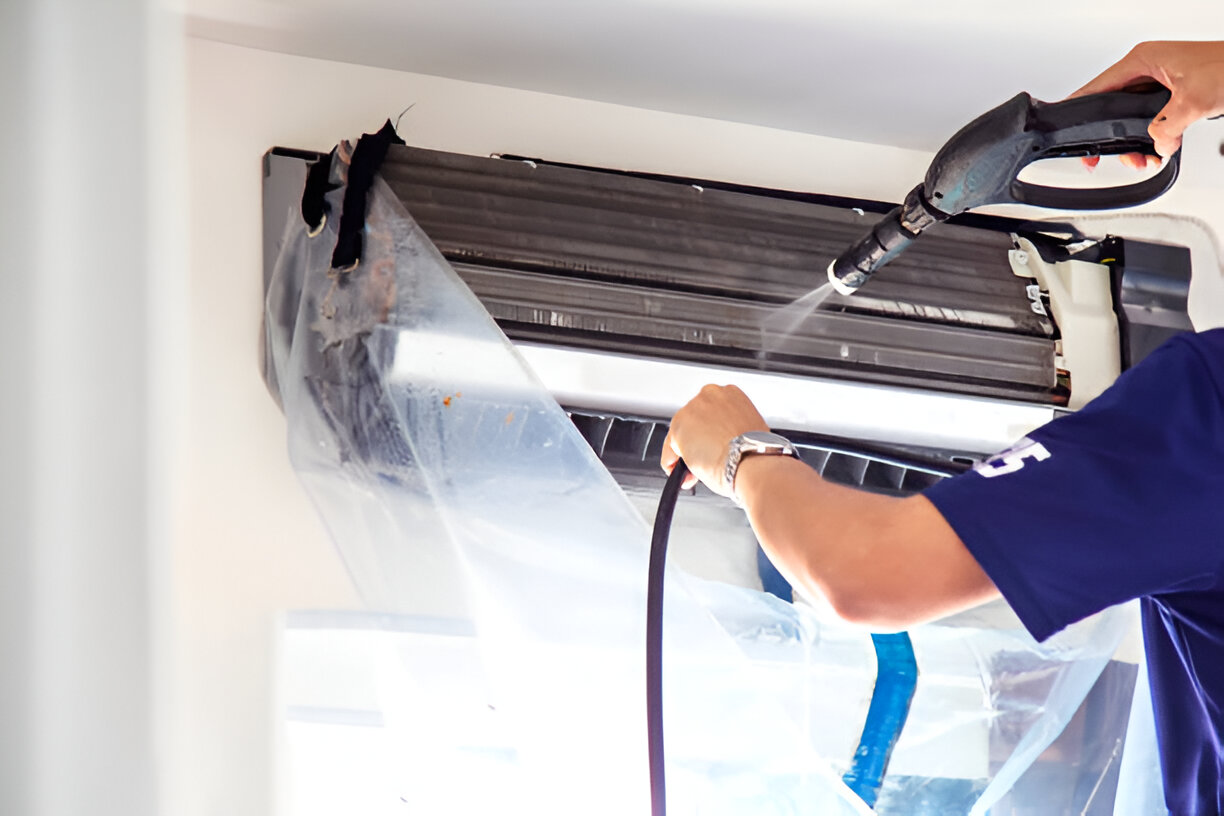
Remove dust, pollen, and debris from coils. Clean coils transfer heat more efficiently, improving capacity and lowering run time. - Refrigerant level check
Measure refrigerant pressures and temperatures to confirm proper charge. Low refrigerant reduces cooling performance and can indicate a leak that requires repair. - Electrical connection inspection
Tighten and inspect all electrical connections, contactors, relays, and fuses. Faulty connections are a leading cause of sudden failures and unsafe operation. - Capacitor and motor testing
Test start and run capacitors and inspect condenser and blower motors for signs of wear or impending failure. - Thermostat calibration and settings review
Verify thermostat accuracy and programming. Calibrate or recommend replacement if the thermostat is delivering incorrect setpoints. - Drain line and pan cleaning
Clear condensate drains to prevent clogs that can cause water damage, microbial growth, and system shutdowns. - Airflow and system performance testing
Measure airflow through supply registers, check temperature split between return and supply air, and calculate system efficiency under load. - Visual inspection of ductwork and insulation
Look for disconnected or leaking ducts, poor insulation, or visible damage that reduces overall system performance.
Diagnostic & performance testing explained
During a tune up, technicians perform simple tests that deliver meaningful insights into system health:
- Temperature split testing compares return and supply temperatures to assess how much cooling the unit is producing.
- Refrigerant pressure checks confirm the system has the correct charge for safe, efficient performance.
- Electrical load and component testing help spot failing capacitors, motors, or starters before they cause breakdowns.
- Airflow checks detect blockages or restricted ducts that reduce comfort and increase energy use.
These checks are noninvasive and explained in plain terms so you understand the findings and recommended next steps.
How often to schedule an AC tune up in Lancaster, OH
- Schedule a professional tune up annually before the cooling season begins, ideally in spring. This prepares your system for months of heavy use.
- Homes with older equipment, frequent pollen or dust, heavy use, or known issues may benefit from twice-yearly checks (spring and mid-summer).
- If your system is under warranty or part of a maintenance plan, follow the manufacturer or plan schedule to preserve coverage.
How tune ups fit into a broader maintenance plan
A single tune up helps immediately, but a regular maintenance plan maximizes long-term value. Ongoing plans typically include scheduled inspections, discounts on repairs, priority service, and documented maintenance that supports warranty requirements. In Lancaster, where humidity and seasonal pollen accelerate wear, a maintenance plan reduces the chance of emergency service calls during heat waves and helps maintain consistent energy performance.
Benefits of regular tune ups
- Improved energy efficiency — Clean coils, proper refrigerant charge, and good airflow reduce run times and utility costs.
- Increased reliability — Early detection of worn parts prevents mid-season breakdowns during the hottest days.
- Longer equipment life — Routine care reduces stress on components and delays the need for costly replacement.
- Better indoor comfort — Stable temperatures and balanced airflow improve overall comfort and humidity control.
- Safer operation — Inspected electrical components and drains reduce fire risk and water damage.
What homeowners should do between tune ups
- Replace or clean filters every 1–3 months during heavy use months.
- Keep the outdoor condenser clear of vegetation, debris, and lawn clippings; trim plants at least 2 feet away.
- Avoid blocking registers and vents; maintain good return air pathways.
- Use a programmable thermostat to reduce unnecessary run time and even out cycling.
- Watch for signs of trouble such as water leaks, reduced cooling, odd noises, or soaring energy bills and schedule service promptly if they appear.
Typical time and cost factors (what affects price)
Tune up duration usually ranges from about 45 minutes to 2 hours depending on system complexity and condition. Cost varies based on system age, type (split system, packaged unit, heat pump), access difficulty, and whether additional repairs are identified during inspection. Factors that commonly influence tune up price include filter replacement needs, coil condition, refrigerant adjustments, and the number of service items included.
A well-documented tune up and maintenance plan pays off in lower energy use, fewer emergency repairs, and a more comfortable home—especially in Lancaster’s hot, humid summers and seasonal pollen conditions. Routine professional attention is the most reliable way to keep your cooling system operating efficiently and reliably when you need it most.
Hot Deals & Cool Savings

.webp)
New Service Agreement Membership
.webp)
Any New Client Service
Next Service for Referring a New Client
New Service Agreement Membership
Any New Client Service
Next Service for Referring a New Client
.webp)
.webp)

Service Areas
