
AC Installation in Lancaster, OH
Air conditioning installation in Lancaster, OH: expert sizing, permits, and post-install support. Learn more about energy savings.

Air Conditioning Installation in Lancaster, OH
Installing a new air conditioning system is one of the most effective ways to improve comfort, indoor air quality, and energy efficiency in Lancaster, OH homes. With humid, hot summers and older houses that often have unique duct layouts or tight attic spaces, a properly planned AC installation prevents undersized or oversized systems, reduces monthly cooling bills, and keeps indoor humidity under control.
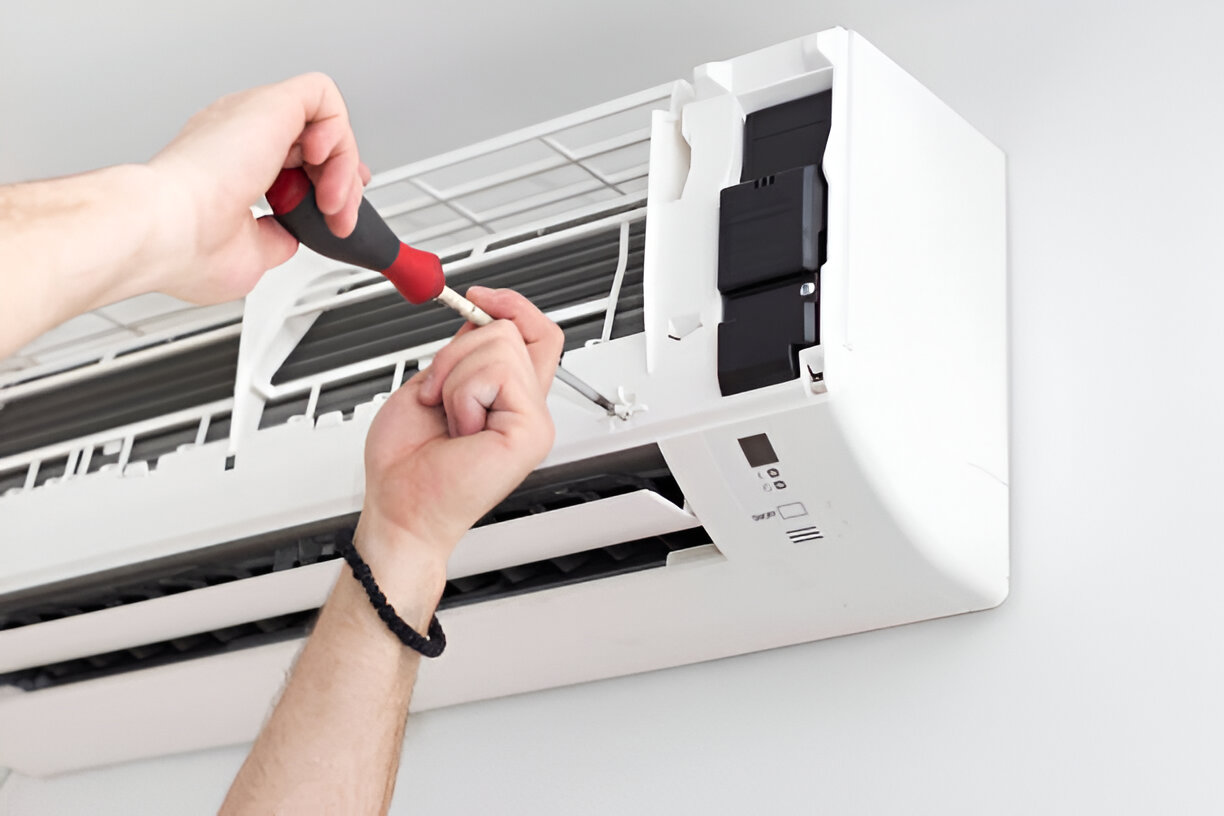
Why a proper installation matters in Lancaster, OH
- Lancaster experiences warm, humid summers that increase cooling load and moisture concerns. Correct sizing and humidity control are critical.
- Older homes and historic neighborhoods can have limited attic access, mixed ductwork, or inadequate insulation, which affect system performance.
- A well-executed installation improves comfort throughout the home, avoids short-cycling, lowers energy use, and reduces the need for early replacement.
Common air conditioning installation types and issues in Lancaster homes
- Central split systems (condenser outside + air handler/coil inside) — most common for whole-home comfort.
- Ductless mini-splits — excellent where ductwork is limited or when adding cooling to an addition or finished basement.
- Packaged systems — used in some single-level or commercial-style homes.Common issues that prompt replacement or new installs:
- Repeated breakdowns or refrigerant leaks in older equipment
- Uneven temperatures between rooms due to poor duct design
- High summer utility bills from inefficient or improperly sized systems
- Insufficient dehumidification leading to sticky indoor air
Home assessment and load calculation
A thorough home assessment in Lancaster starts with:
- Inspecting attic, crawlspace, insulation, windows, and existing ductwork condition.
- Measuring square footage, ceiling heights, window exposures, and occupancy patterns.
- Performing a Manual J load calculation to determine the exact cooling capacity your home needs. This calculation accounts for Lancaster’s climate, attic heat, and local sun exposure.A correct load calculation prevents over- and undersizing. Oversized units short-cycle and fail to control humidity; undersized units run continuously and never reach target temperatures.
Equipment selection: efficiency and sizing
- SEER ratings: Choose systems with higher SEER for lower long-term operating costs, especially valuable in Lancaster’s long cooling season.
- Right-size the equipment based on Manual J results and realistic expectations of insulation and air leakage.
- Consider variable-speed compressors and multi-stage systems for improved comfort and quieter operation.
- For homes with limited duct access, consider ductless mini-splits or high-efficiency compact units designed for tight spaces.
- Evaluate refrigerant type and environmental impact when selecting models.
Installation process: what to expect
- Pre-install preparation
- Finalize equipment sizing, verify delivery access, and confirm required permits.
- Plan for any ductwork modifications or insulation upgrades identified during assessment.
- Removal and disposal of old equipment
- Safe recovery of refrigerant and disposal of old condensing units, air handlers, and filters in accordance with Ohio regulations.
- Mechanical installation
- Set and level the outdoor condenser on a pad, connect refrigerant lines and electrical circuits.
- Install or replace indoor coil/air handler, seal connections to existing ducts or install new duct runs as needed.
- Upgrade or install proper condensate drainage and insulation on refrigerant lines.
- Ductwork and air sealing
- Repair or replace leaky ducts, install proper return pathways, and seal penetrations to prevent conditioned air loss.
- Controls and thermostat
- Install or upgrade thermostats and zoning controls; program for optimal temperature and humidity control.
- Final connections and commissioning
- Charge refrigerant to manufacturer specifications, check electrical connections, and balance airflow.
Permitting, code compliance, and disposal
- Permits are typically required by local building departments or Fairfield County depending on the scope of work. Permitting confirms systems meet local codes and safety standards.
- Proper refrigerant recovery and disposal of old units comply with federal and state environmental rules.
- Documentation of permits and disposal is provided at completion for your records.
Post-installation testing and quality assurance
- Performance testing includes measuring temperature differentials, airflow, static pressure, and refrigerant charge.
- Verify that the system reaches set temperatures without excessive run cycles and that humidity levels fall within comfort range.
- Walk-through with homeowners to explain system operation, thermostat programming, and maintenance items.
Warranties and maintenance recommendations
- New equipment typically includes manufacturer warranties on parts and compressors; extended warranties can be available.
- Routine maintenance preserves efficiency and warranty coverage. Recommended schedule:
- Annual tune-up and inspection (spring)
- Filter replacement every 1–3 months depending on use and indoor air quality
- Duct inspection and cleaning as needed every 3–5 years or when significant dust/humidity issues are present
- Maintenance plans help avoid emergency repairs, extend equipment life, and maintain high performance during Lancaster’s hot months.
Financing and rebate options
- Many homeowners use financing to spread the cost of high-efficiency systems, with multiple payment options available.
- Rebate opportunities may come from federal tax credits, state energy programs, or local utility incentives for ENERGY STAR or high-efficiency systems. Lancaster residents should check available utility rebates and current federal incentives when comparing models.
- Combining manufacturer rebates with local incentives can substantially reduce net costs for qualifying systems.
Typical step-by-step timeline for a Lancaster installation
- Day 1: Home assessment, Manual J load calculation, equipment selection, permit submission (if needed).
- 3–7 days: Permit approval window (may vary by project complexity and local permitting office).
- Delivery window: Schedule delivery once permits are approved and any lead-times for equipment are met.
- Installation day(s): 1–3 days on-site for a standard split system; more time if significant ductwork, electrical upgrades, or structural access work is required.
- Final testing and homeowner walkthrough: same day as completion or the following business day.
- Follow-up: Post-install inspection or tune-up within 30–90 days to ensure peak performance.
Long-term benefits of timely installation
- Lower energy bills and improved humidity control during Lancaster summers
- Consistent, even comfort throughout the home
- Reduced repair frequency and longer equipment life with proper maintenance
- Better indoor air quality and reduced allergen circulation with upgraded filtration and sealed ducts
Choosing the right system for a Lancaster, OH home requires careful assessment, code-compliant installation, and a focus on efficiency and humidity control. With the right planning—accurate load calculations, correct sizing, quality ductwork, and post-install verification—you get reliable cooling through hot Ohio summers and a comfortable, energy-efficient home year after year.
Hot Deals & Cool Savings

.webp)
New Service Agreement Membership
.webp)
Any New Client Service
Next Service for Referring a New Client
New Service Agreement Membership
Any New Client Service
Next Service for Referring a New Client
.webp)
.webp)

Service Areas
