
AC Replacement in Worthington, OH
Air conditioning replacement in Worthington, OH boosts comfort and energy savings. Learn about options and incentives.

Air Conditioning Replacement in Worthington, OH
Replacing your home air conditioning system is one of the most effective ways to improve comfort, reduce energy bills, and avoid frequent emergency repairs. In Worthington, OH, where hot, humid summers and older, historic homes present specific cooling challenges, choosing the right replacement system matters.
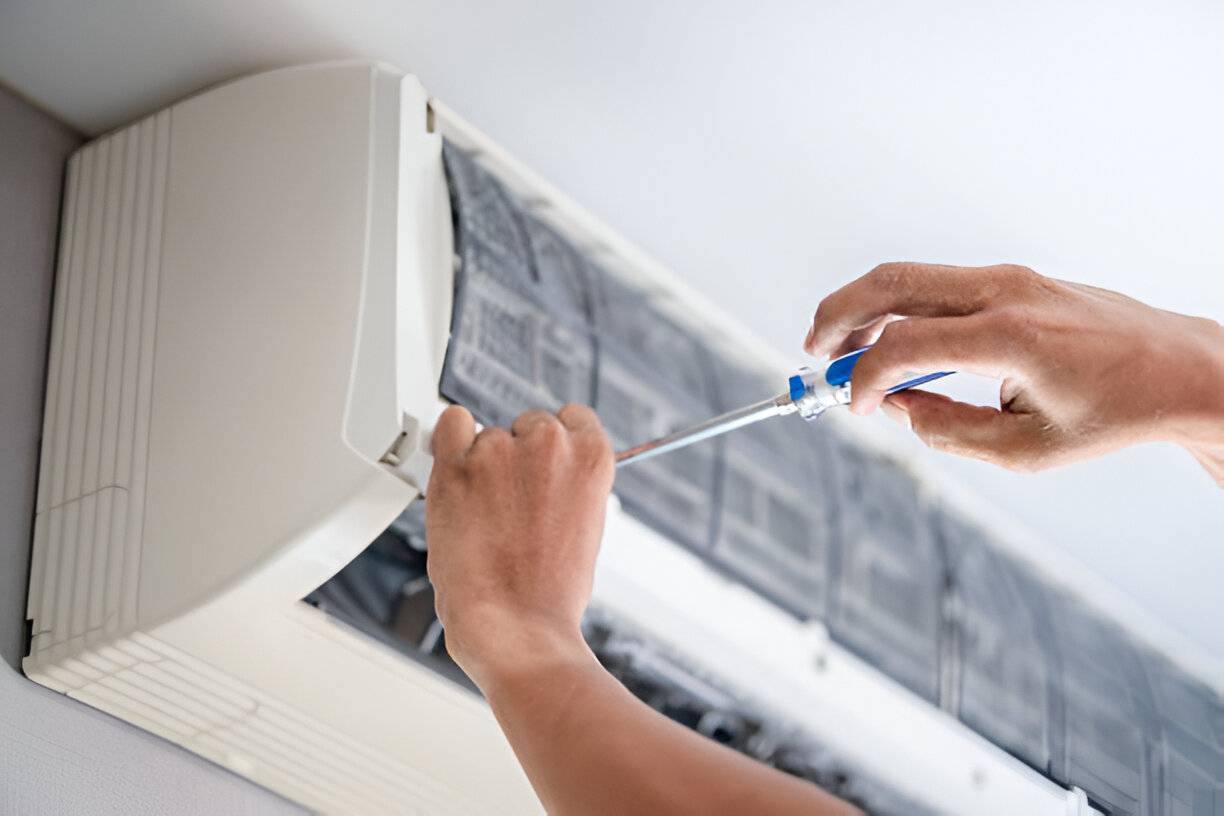
When to Replace vs Repair
Deciding between repair and replacement depends on several factors:
- Age of the system: Most air conditioners last 10 to 15 years. Systems older than 12 years that show declining performance are usually better replaced than repeatedly repaired.
- Frequency and cost of repairs: If you are scheduling multiple service calls a year or a single repair is approaching a large fraction of replacement cost, replacement typically makes more financial sense.
- Efficiency decline: Older units have much lower Seasonal Energy Efficiency Ratio (SEER) ratings. Low efficiency means steadily higher cooling bills during Worthington’s warm, humid months.
- R-22 refrigerant phase-out: Systems that use R-22 refrigerant can be costly to service because the refrigerant is obsolete and expensive.
- Comfort and performance problems: Persistent uneven cooling, poor humidity control, loud operation, or frequent short cycling often indicate underlying system limitations that repairs alone cannot fix.
If your system is underperforming, start with a professional diagnostic that includes a refrigerant check, airflow measurement, and inspection of the condenser, coils, and compressor. That information guides a repair-versus-replace decision.
High-Efficiency Replacement Options for Worthington Homes
Worthington’s climate and housing stock influence which options are best. Consider these modern systems:
- High-efficiency central air conditioners: Look for higher SEER ratings and two-stage or variable-speed compressors for better comfort and lower energy use during moderate and peak cooling loads.
- Air-source heat pumps: Heat pumps provide both cooling and heating with very high efficiency. Modern cold-climate models perform well in Ohio winters and reduce reliance on separate heating equipment.
- Ductless mini-split systems: Ideal for additions, historic homes without existing ducts, or room-by-room control. They provide efficient cooling and can include heat pump capability.
- Matched system upgrades: Replacing both the outdoor unit and indoor coil/air handler together ensures optimal efficiency and reliability.
- Complementary improvements: Adding a programmable or smart thermostat, upgrading insulation or sealing ductwork improves system performance and humidity control.
Features to consider: variable-speed compressors, two-stage compressors, inverter technology, and advanced thermostats for humidity and multi-zone control. These deliver smoother operation, quieter performance, and better dehumidification during Worthington’s muggy summer days.
Cost and Energy-Savings Comparison
Upfront installation cost and long-term operating cost are both important:
- Higher-efficiency systems typically carry higher initial costs but reduce monthly energy bills. In Worthington, where cooling demand spikes in July and August, a more efficient system often yields noticeable summer savings.
- Heat pumps may have higher installation costs than basic central air but provide year-round savings by combining heating and cooling functions with superior efficiency.
- Ductless systems are more expensive per ton of cooling but eliminate duct losses and enable targeted comfort in specific rooms.
Consider payback and lifecycle value rather than just purchase price. A more efficient system can reduce utility bills, lower maintenance needs, and extend time between major replacements. Rebates, local utility incentives, and potential federal tax incentives for certain efficient equipment can improve economics. Paperwork and qualification rules vary, so expect assistance to identify available incentives and required documentation.
Rebate and Financing Assistance
Many Worthington homeowners qualify for incentives and financing options that make high-efficiency replacement more affordable. Common types of assistance include:
- Utility incentives for ENERGY STAR or high-SEER systems
- Manufacturer rebates on qualifying equipment
- Local or state programs that reduce upfront costs
- Flexible financing plans and low monthly payment options for homeowners
Eligibility depends on equipment type, system efficiency, and program requirements. Assistance with applying for rebates and submitting required forms simplifies the process and helps you capture maximum savings.
The Replacement Process: From Estimate to Commissioning
A professional, transparent installation follows a clear sequence to ensure correct sizing, efficient operation, and warranty protection:
- Initial consultation and home assessment
- Inspect existing equipment, ductwork, and electrical panel
- Discuss comfort goals, budget, and preferences
- Load calculation and system selection
- Perform a Manual J load calculation to size the system for Worthington homes precisely
- Recommend equipment that balances efficiency, capacity, and features
- Estimate and incentive review
- Provide an itemized estimate that includes necessary duct repairs, refrigerant lines, and thermostat options
- Review potential rebates and financing options applicable to the chosen equipment
- Permitting and scheduling
- Secure required permits and schedule installation according to local codes and inspection timelines
- Removal and installation
- Safely remove old equipment, protect the home interior, and install the new condenser, air handler/coil, and associated components
- Make any ductwork modifications or sealing needed for balanced airflow
- Refrigerant charging and electrical hookup
- Charge the system to manufacturer specifications and ensure correct electrical connections
- System commissioning and testing
- Test airflow, temperatures, refrigerant pressures, and safety controls
- Calibrate the thermostat and verify dehumidification performance in humid conditions
- Owner orientation and documentation
- Explain system operation, maintenance needs, and warranty coverage
- Provide paperwork for rebates and service records for future maintenance
Proper sizing, duct checks, and commissioning are critical in Worthington homes to avoid oversized systems, poor humidity control, or short cycling during transitional weather.
Expected Benefits After Replacement
Replacing an aging air conditioner delivers immediate and long-term advantages:
- Improved comfort: More consistent temperatures, quieter operation, and better humidity control during Ohio summers.
- Lower utility bills: Higher efficiency reduces monthly cooling costs, especially during peak summer use.
- Increased reliability: New components mean fewer breakdowns and longer time before the next major investment.
- Better indoor air quality: New filters and improved airflow reduce dust and allergens; optional whole-house filtration upgrades enhance results.
- Added home value: Modern HVAC systems are attractive to buyers and support overall property value.
- Warranty and compliance: New equipment typically includes manufacturer warranties and meets current efficiency and refrigerant standards.
Maintenance and Longevity
To protect your investment and maintain efficiency in Worthington’s climate, schedule regular preventive maintenance, including seasonal tune-ups, filter changes, and ductwork inspections. Proper maintenance extends equipment life, preserves efficiency, and helps you avoid costly emergency repairs.
Choosing the right replacement path for your Worthington home means matching system capability to local climate, home construction, and comfort goals. A careful assessment, correct sizing, and quality installation deliver the comfort and savings you should expect from a modern air conditioning replacement.
Hot Deals & Cool Savings

.webp)
New Service Agreement Membership
.webp)
Any New Client Service
Next Service for Referring a New Client
New Service Agreement Membership
Any New Client Service
Next Service for Referring a New Client
.webp)
.webp)

Service Areas
