
AC Installation in Worthington, OH
Air Conditioning Installation Worthington OH: Learn the process from load calculations to testing, warranties, and financing. Learn more.

Air Conditioning Installation in Worthington, OH
Replacing or installing a new air conditioning system is one of the most important investments you can make for year-round comfort and energy savings in a Worthington home. With hot, humid Ohio summers and older houses in neighborhoods like Old Worthington, proper equipment selection, sizing, and professional installation matter more than ever.
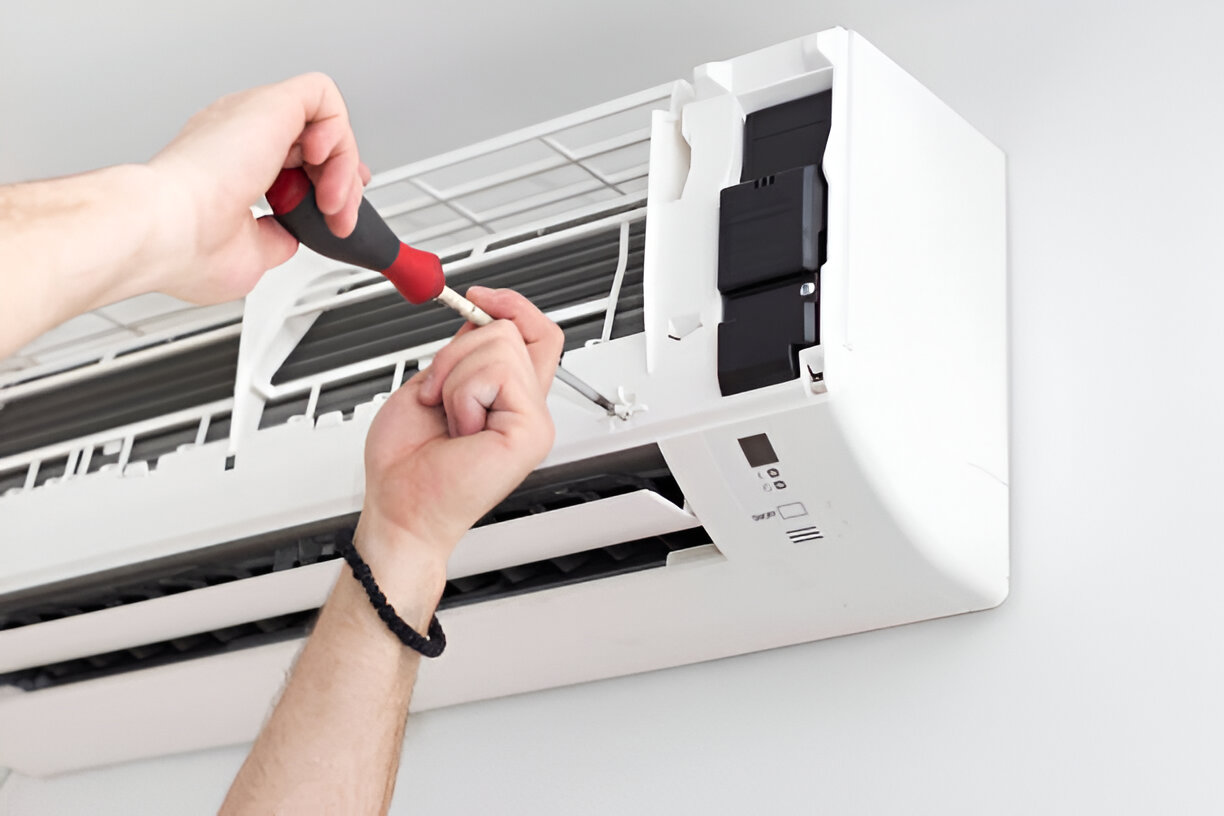
Why a proper AC installation matters in Worthington, OH
- Worthington summers are often hot and humid. A correctly sized, high-efficiency system cools faster and controls indoor humidity better.
- Many area homes are older and may have undersized or leaky ductwork; installation must address duct condition to deliver promised performance.
- Proper installation maximizes system life, reduces utility bills, and prevents common problems such as short cycling, uneven cooling, or premature compressor failure.
Common reasons homeowners choose a new air conditioner installation
- Repeated breakdowns and rising repair costs on an aging unit
- High energy bills despite maintenance
- Use of phased-out refrigerants (R-22) that are costly to service
- Wanting better humidity control and quieter operation
- Remodeling, home additions, or switching from window units to central cooling
- Desire for higher SEER efficiency to reduce long-term operating costs
Home assessment and load calculations (what to expect)
A trustworthy installation begins with a full home assessment and accurate load calculation — not just a rule-of-thumb estimate. Key steps include:
- Performing a Manual J load calculation to determine the exact cooling capacity your home needs based on square footage, insulation levels, window area and orientation, occupancy, and local climate.
- Inspecting ductwork with a visual check or diagnostic tests to identify leaks, restrictions, or undersized runs.
- Reviewing thermostat location, attic and basement conditions, and any recent renovations that change the building envelope.
These calculations prevent oversizing (which causes short cycling and humidity issues) and undersizing (which leaves rooms uncomfortable and shortens compressor life).
Equipment selection: efficiency and sizing
Choosing the right equipment involves balancing upfront cost, long-term energy savings, and home-specific needs:
- Efficiency: SEER ratings commonly range from mid-14s to 20+ SEER. In Worthington, a higher-SEER unit will yield noticeable energy savings during long cooling seasons; however, the optimal choice depends on how long you plan to stay in the home and usage patterns.
- Capacity: Match the Manual J result to the outdoor unit’s rated capacity. Always consider sensible vs. latent loads to ensure humidity control.
- System type: Options include traditional split-system central AC, heat pumps (combined heating and cooling), and ductless mini-splits for zoned comfort or homes without ducts.
- Accessories: Variable-speed air handlers, upgraded thermostats, and properly sized filtration/humidification can improve comfort and efficiency.
Typical installation steps
A professional installation follows a structured workflow to meet code and ensure performance:
- Pre-install preparation: secure permits if required, confirm equipment delivery dates, and protect floors and landscaping.
- Removal of existing equipment: safely disconnect and remove the old condenser and evaporator coil; recover refrigerant per regulations.
- Ductwork and indoor modifications: repair or modify ducts, set up new coil/air handler, and ensure adequate condensate drainage.
- Outdoor unit placement: level pad and secure condenser, maintaining proper clearances for airflow and future servicing.
- Refrigerant charging and system balancing: set the correct refrigerant charge and perform airflow adjustments.
- Controls and electrical: install or reconfigure thermostat wiring, safety switches, and circuit protection.
- Final clean-up and documentation: remove debris, label equipment, and provide documentation on model numbers and basic operating instructions.
Permitting and inspection guidance for Worthington
Local building departments commonly require permits for new HVAC installations and may inspect mechanical, electrical, and refrigerant work. Typical points:
- Permits are obtained through the City of Worthington or Franklin County building department depending on jurisdiction.
- Licensed HVAC contractors usually handle permit submission and schedule inspections on your behalf, ensuring work meets local code.
- Final inspection verifies safe electrical connections, proper refrigerant handling, correct venting/drainage, and compliance with local energy codes.
Confirming permit status early prevents delays during installation and ensures the system is installed to code.
Expected timeline
While timelines vary by project size and parts availability, a typical schedule for a single-family home installation in Worthington is:
- Initial estimate and site assessment: 1 to 7 days (often scheduled within a week)
- Equipment selection and order: 1 to 3 weeks depending on model availability
- Permit processing: a few days to a couple of weeks (concurrent with equipment ordering in many cases)
- Installation day(s): 1 to 2 days for a straight swap; more complex projects (duct upgrades or multi-zone systems) may take 2 to 4 days
- Final inspection and commissioning: within a few days after installation, depending on municipal schedules
Plan for seasonal delays during peak summer months when demand is highest.
Warranty and post-installation testing
Expect two layers of protection:
- Manufacturer warranty: covers parts (compressor, coil, etc.) for a set period—often 5 to 10 years or longer for higher-end models. Registration may be required to activate full coverage.
- Labor warranty: covers installation workmanship for a contractor-specified period. Confirm the length and scope in writing before installation.
Post-installation verification should include:
- System start-up and thermostat calibration
- Refrigerant charge and superheat/subcooling checks
- Airflow measurements and static pressure checks
- Verification of condensate drainage and safety cutoffs
- Demonstration of system operation and basic maintenance tips for the homeowner
These tests ensure the system performs to specification and that warranties remain valid.
Financing and cost considerations
Many homeowners opt for financing to spread the investment over time. Typical financing details to consider:
- Loan terms vary widely; compare interest rates, terms, and any deferred-interest offers.
- Some programs allow for lower monthly payments with longer terms but may increase total interest paid.
- Factor in energy savings from higher-efficiency equipment when evaluating payback and monthly cost differences.
- Check for local utility rebates or seasonal incentives that may offset equipment cost; a licensed installer can help identify available programs.
Long-term benefits and maintenance advice
A professionally installed new AC provides:
- Improved comfort and humidity control during Worthington’s humid summers
- Lower energy bills with properly sized, efficient equipment
- Reduced repair frequency and longer equipment life
- Better indoor air quality when combined with filtration upgrades
Ongoing maintenance is crucial: seasonal tune-ups, filter changes, and periodic duct inspections keep performance high and preserve warranties.
Hot Deals & Cool Savings

.webp)
New Service Agreement Membership
.webp)
Any New Client Service
Next Service for Referring a New Client
New Service Agreement Membership
Any New Client Service
Next Service for Referring a New Client
.webp)
.webp)

Service Areas
