
AC Replacement in Pickerington, OH
Air Conditioning Replacement in Pickerington, OH: Learn when to replace vs repair, explore rebates, financing, and energy savings. Learn more

Air Conditioning Replacement in Pickerington, OH
Replacing an aging or unreliable air conditioner is one of the most effective ways to restore comfort and reduce monthly energy costs in Pickerington, OH homes. With hot, humid summers and frequent high cooling demand from June through August, an inefficient or failing system can leave living spaces uncomfortable and drive up utility bills.
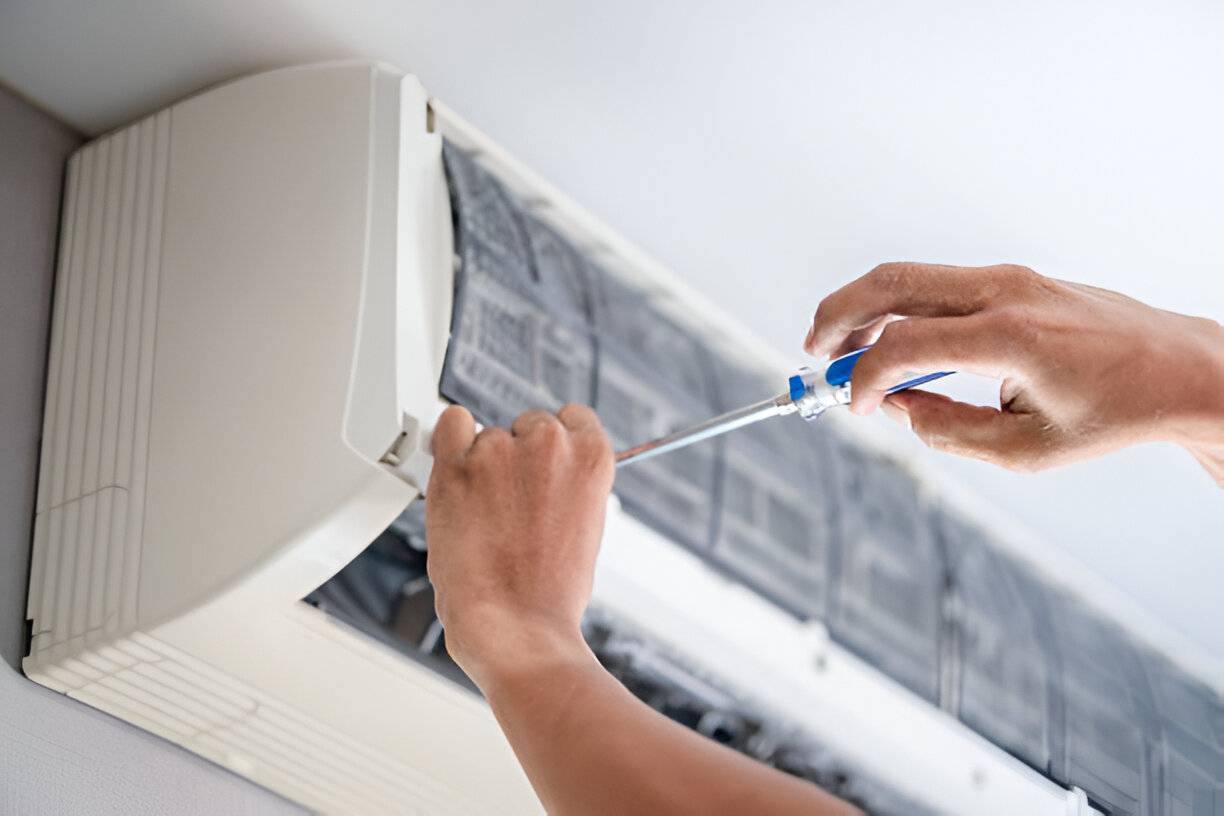
When to Replace vs. Repair: Practical Decision Criteria
Deciding between AC replacement and repair comes down to age, repair frequency, refrigerant type, and cost-effectiveness.
- System age: Most central air conditioners last 12–15 years. If your unit is older than 12 years, replacement is often the smarter long-term choice.
- Frequency of repairs: Multiple repairs in a single cooling season or recurring failures indicate declining reliability and rising lifetime cost.
- Repair cost relative to replacement: A common rule of thumb at the decision stage is if a repair costs more than 50% of the estimated replacement and the system is over 10 years old, replacement is typically recommended.
- Refrigerant phase-out: Systems using R-22 refrigerant are increasingly expensive to service because R-22 is phased out. Replacing an R-22 system often makes financial sense.
- Comfort and efficiency: If rooms are unevenly cooled, humidity is poor, or energy bills have steadily risen despite maintenance, a new, properly sized system can solve those problems.
Common AC Replacement Scenarios in Pickerington
Pickerington homes present several common scenarios where replacement is the appropriate choice:
- Central AC compressor failure in older equipment
- Units needing frequent refrigerant top-ups or expensive component replacements
- Homes with undersized equipment struggling during peak summer heat
- Systems with inefficient single-speed compressors and low SEER ratings
- Properties converting from window units or wall units to central or ducted systems
System Evaluation and Cost-Benefit Analysis
A thorough pre-replacement evaluation ensures you choose the right equipment and understand lifecycle costs.
- Load calculation: A certified technician performs a Manual J load calculation to size the system for your home’s layout, insulation, windows, and occupancy—oversized units short-cycle and underperform, undersized units run continuously.
- Ductwork inspection: Poor or leaky ducts can negate benefits of a new high-efficiency AC. Duct sealing, insulation, or resizing may be part of the recommended scope.
- Energy use and bill analysis: Reviewing recent utility bills helps estimate potential savings after installing a higher-SEER system.
- Life-cycle cost estimate: Technicians compare upfront installation costs against projected energy savings, expected maintenance, and remaining useful life if repaired.
- Comfort assessment: Evaluation includes airflow measurements, temperature differentials across registers, and humidity control performance to define needed improvements.
High-Efficiency Upgrade Options
Upgrading offers both comfort and energy benefits. Options commonly recommended in Pickerington include:
- Higher SEER-rated central air conditioners: Modern systems (14–24+ SEER) reduce energy use substantially compared to units from the early 2000s.
- Variable-speed compressors and multi-stage systems: Provide more even temperatures, quieter operation, and improved dehumidification during humid Pickerington summers.
- Matched system packages: Replacing both outdoor condenser and indoor coil/air handler ensures peak efficiency and warranty compliance.
- Smart thermostats and zoning: Programmable and smart thermostats paired with zoning dampers allow precise control and lower energy consumption, especially in multi-level Pickerington homes.
- Ductless mini-splits: For additions, garages, or homes without ductwork, ductless systems offer efficient zoned cooling with minimal disruption.
Removal, Disposal, and Code Considerations
Safe, compliant removal of old equipment is essential.
- Refrigerant recovery: Technicians recover and properly dispose of refrigerants per federal and state regulations.
- Responsible disposal: Old condensers, coils, and other components are removed and recycled when possible.
- Permits and inspections: Local building codes may require permits or final inspections for new installations—these are addressed during the planning phase.
- Site cleanup: Professional installations include removal of debris and safe handling of electrical and refrigerant lines.
Typical Project Timeline and Cost Drivers
Timelines and costs vary with scope, but here are typical expectations for Pickerington residences.
- Timeline
- Initial evaluation and estimate: 1–2 hours onsite.
- Scheduling: Often 1–3 weeks lead time during shoulder seasons; summer peak may require longer waits.
- Installation: Most straight replacement jobs are completed in 1 day; complex jobs involving ductwork, electrical upgrades, or permits may take 2–3 days.
- Final testing and commissioning: 1–2 hours after installation.
- Primary cost drivers
- System capacity and SEER rating
- Ductwork repairs or replacement
- Electrical service upgrades (breaker, wiring)
- Accessibility and home layout complexity
- Efficiency features (variable-speed blower, zoning)
- Necessary permits and inspection fees
Rebates, Financing, and Incentives
To reduce upfront expense and improve payback, homeowners should consider:
- Utility rebates: Local utilities sometimes offer rebates for installing higher-efficiency equipment or qualifying heat pump systems.
- Federal and state incentives: Periodic federal tax credits and state programs can offset part of the cost for energy-efficient HVAC upgrades.
- Financing options: Many homeowners use financing plans to spread installation costs over time. When available, selecting a plan that aligns payment terms with expected energy savings can make upgrades more affordable.
How Replacement Improves Comfort and Lowers Energy Bills
A properly selected and installed replacement system delivers measurable benefits in Pickerington homes:
- Lower energy bills: Modern high-SEER systems and matched components can reduce cooling energy use substantially—often 20–40% compared with older equipment depending on the previous system’s condition.
- Better humidity control: Variable-speed compressors and correctly sized equipment run longer at lower speeds, improving dehumidification during humid Ohio summers and increasing perceived comfort.
- Quieter, more consistent operation: New units run quieter and maintain more even temperatures, eliminating hot and cold zones.
- Improved indoor air quality: New air handlers and filtration options can reduce airborne dust and allergens when combined with duct cleaning or upgrades.
- Greater reliability and warranty protection: New systems come with factory warranties and lower maintenance needs, reducing emergency repair risk during heat waves.
Maintenance and Long-Term Care
To protect your investment and ensure peak performance:
- Schedule annual preventive maintenance for both cooling and heating seasons.
- Replace or clean filters monthly to maintain airflow.
- Keep outdoor condenser units clear of debris and vegetation.
- Monitor energy bills for sudden increases that may indicate issues.
- Consider a maintenance plan that includes priority service and discounts on parts and labor.
A well-planned air conditioning replacement in Pickerington, OH addresses immediate comfort needs and delivers long-term energy savings and reliability when the right equipment is chosen and installed with attention to ductwork, sizing, and local climate demands.
Hot Deals & Cool Savings

.webp)
New Service Agreement Membership
.webp)
Any New Client Service
Next Service for Referring a New Client
New Service Agreement Membership
Any New Client Service
Next Service for Referring a New Client
.webp)
.webp)

Service Areas
