
AC Installation in Pickerington, OH
Air Conditioning Installation in Pickerington, OH: Comprehensive load sizing, precise ductwork, and thorough commissioning for reliable, energy-efficient home cooling. Learn more.

Air Conditioning Installation in Pickerington, OH
Installing a new air conditioning system is one of the most impactful home comfort upgrades for Pickerington, OH homeowners. With hot, humid central Ohio summers and a mix of older and newer homes in the area, the right installation improves indoor comfort, cuts energy bills, and prevents common problems like poor humidity control and uneven cooling. Below is a clear, expert guide to the full AC installation process specifically tailored for Pickerington homes — what to expect at every step, common local issues, and practical preparation and maintenance advice.
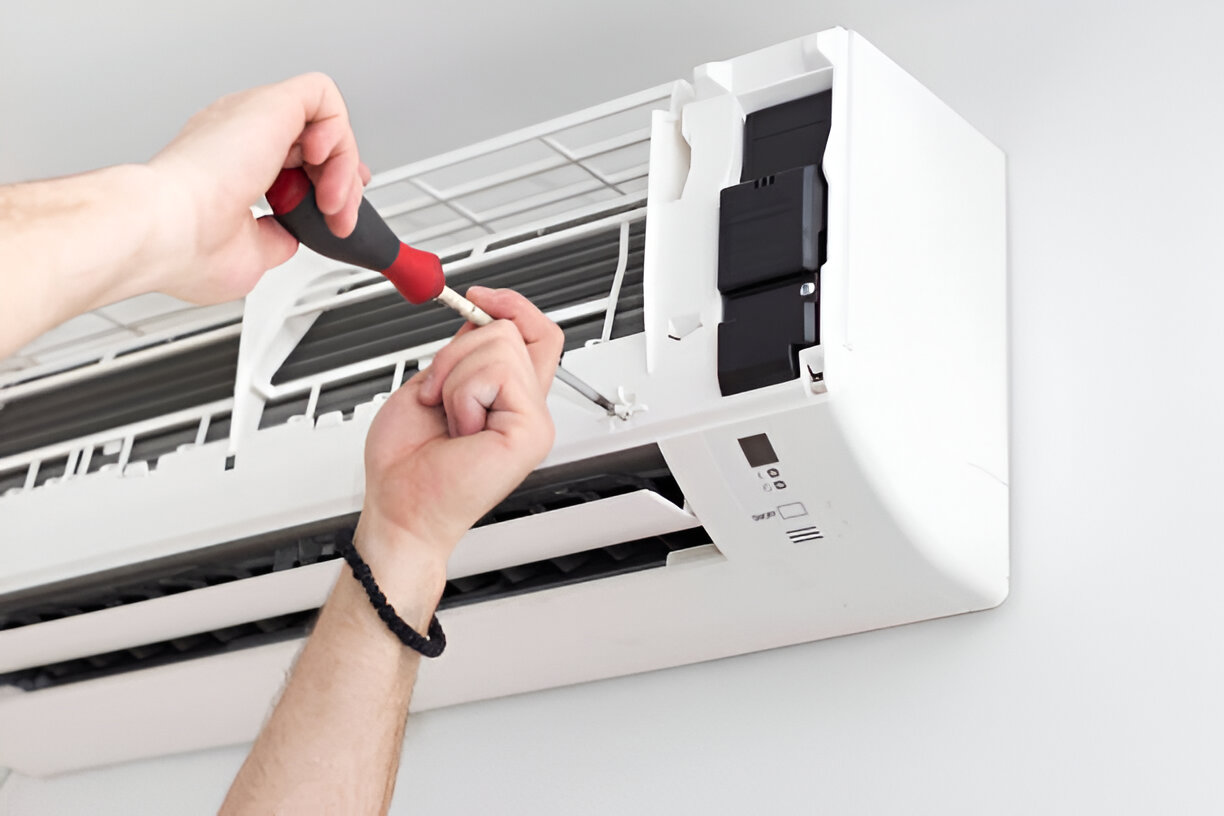
Why a proper installation matters in Pickerington
Pickerington summers bring high humidity and several heat spikes each year. A correctly sized, well-installed system:
- Maintains steady indoor temperature and humidity for better comfort
- Runs more efficiently in homes with variable attic insulation and older ductwork
- Reduces short-cycling and wear in stop-and-go suburban usage patterns
- Lowers utility cost during peak cooling months
Typical home load assessment and unit sizing
Accurate sizing is the foundation of a successful install. Expect a professional to perform a Manual J load calculation that considers:
- Home square footage, number of stories, and window area
- Insulation levels and attic ventilation (important in Ohio homes)
- Number of occupants, major appliances, and typical thermostat settings
- Solar gain based on orientation and tree shading
Oversized units short-cycle and fail to manage humidity; undersized units can never reach setpoints during heat waves. The result is a recommended capacity and airflow target used to select a matched indoor coil and outdoor condensing unit.
Energy-efficient model selection
In Pickerington, choosing an efficient system pays off quickly because of extended summer use. Key options and features to consider:
- SEER rating explained simply: higher SEER = lower operating costs (important for local summer demand)
- Variable-speed compressors and ECM blower motors for quieter operation and better humidity control
- Matched systems (indoor coil + condenser) to achieve the rated efficiency
- Heat pump alternatives that provide both cooling and efficient heating in mild shoulder seasons
- Consideration of lifecycle cost, not just upfront price
Manufacturers and local utilities sometimes offer rebates for high-efficiency equipment; homeowners should confirm current programs when budgeting.
Ductwork evaluation and necessary modifications
Many installation problems stem from ducts that are leaky, undersized, or poorly insulated. During evaluation, installers look for:
- Visible leaks, disconnected joints, or crushed ducts in attics and crawlspaces
- Properly sized supply and return runs to meet the calculated airflow
- Insulation levels for ducts running through unconditioned spaces
- Need for additional returns, zoning dampers, or register adjustments
Common duct fixes for Pickerington homes include sealing with mastic or UL-181 tape, adding insulation in attic runs, and correcting airflow balancing to eliminate hot and cold rooms.
Professional installation steps
A typical installation sequence includes:
- Site prep and protection of floors and landscaping
- Removal and disposal of old equipment per local codes
- Installing the new outdoor unit on a level pad and mounting the indoor coil or air handler
- Running refrigerant lines, electrical, and thermostat wiring with proper clearances
- Tuning ductwork and adding any required modifications or returns
- Charging the refrigerant system and initial startup
Safety, code compliance, and creating a clean workspace are standard practice. Permit requirements vary locally; many municipalities require permits and inspections for HVAC replacements.
Post-installation testing and commissioning
Commissioning confirms the system performs as designed. Tests include:
- Verifying correct refrigerant charge and measured superheat/subcooling
- Measuring airflow (CFM) and static pressures to match design targets
- Checking temperature split across the evaporator and verifying humidity control
- Confirming electrical connections, breaker size, and safety cutouts
- Calibrating the thermostat and demonstrating operation modes for the homeowner
- Evaluating noise levels and vibration isolation
Homeowners should receive clear documentation on setpoints, filter size, and scheduled maintenance recommendations.
Warranty and maintenance recommendations
Factory warranties typically cover major components for a set number of years; extended warranties and parts/labor options may be available. To protect warranty coverage and the system’s lifespan:
- Enroll in a regular maintenance plan for seasonal tune-ups
- Replace filters regularly and use recommended MERV ratings for your system
- Schedule annual spring inspections: clean coils, check refrigerant, inspect electricals, lubricate motors, and verify drains
- Keep outdoor unit clear of leaves and debris, especially after spring storms common to central Ohio
A maintenance agreement often improves efficiency, extends equipment life, and may include service discounts.
Financing and available rebates
Many homeowners in Pickerington use financing options to spread installation costs. In addition:
- Local utility companies and state programs periodically offer rebates for high-efficiency equipment or duct sealing
- Manufacturer promotions and seasonal incentives may lower net cost
- Energy-efficiency upgrades can reduce operating expenses, improving payback over time
Homeowners should obtain current information on available rebates, tax incentives, and financing offers during the planning stage.
Timeline and homeowner preparation guidance
Typical timelines:
- Straight replacement of a matched system with minimal duct changes: 1 day
- Replacement requiring duct repairs or moderate modifications: 1–3 days
- New installations with significant ductwork or zoning: several days to a week, depending on complexity and permit turnaround
Homeowner prep checklist:
- Clear access to outdoor unit and attic/crawlspace work areas
- Move furniture away from indoor unit locations
- Provide parking and workspace for a day (or more) of installers’ equipment
- Ensure pets and children are kept clear of work zones
- Keep windows and doors accessible for testing airflow and temperature changes
After installation, allow 24–48 hours for the system to stabilize; monitor comfort and report any unusual noises or persistent temperature differences.
Expected benefits for Pickerington homeowners
A professionally executed AC installation delivers:
- Consistent, comfortable temperatures and better humidity control during Ohio summers
- Lower monthly cooling bills and reduced wear on the system
- More even airflow and fewer hot/cold spots in multi-level suburban homes
- Improved indoor air quality when combined with filtration and duct sealing
Taking time for a proper load assessment, matched equipment selection, thorough ductwork evaluation, and commissioning yields the best long-term performance and homeowner satisfaction.
Regular maintenance and attention to warranty terms will keep an installed system running efficiently through many summers in Pickerington, providing reliable comfort when heat and humidity peak.
Hot Deals & Cool Savings

.webp)
New Service Agreement Membership
.webp)
Any New Client Service
Next Service for Referring a New Client
New Service Agreement Membership
Any New Client Service
Next Service for Referring a New Client
.webp)
.webp)

Service Areas
