
AC Repair in Minerva Park, OH
Air conditioning repair in Minerva Park, OH—diagnosis, common symptoms, repairs, warranties, and transparent pricing. Learn more about fast, reliable service.

Air Conditioning Repair in Minerva Park, OH
A malfunctioning air conditioner in Minerva Park, OH, can turn a humid summer day into a stressful situation quickly. With hot, humid summers and frequent temperature swings in spring and fall, timely AC repair preserves comfort, protects indoor air quality, and prevents higher utility bills.
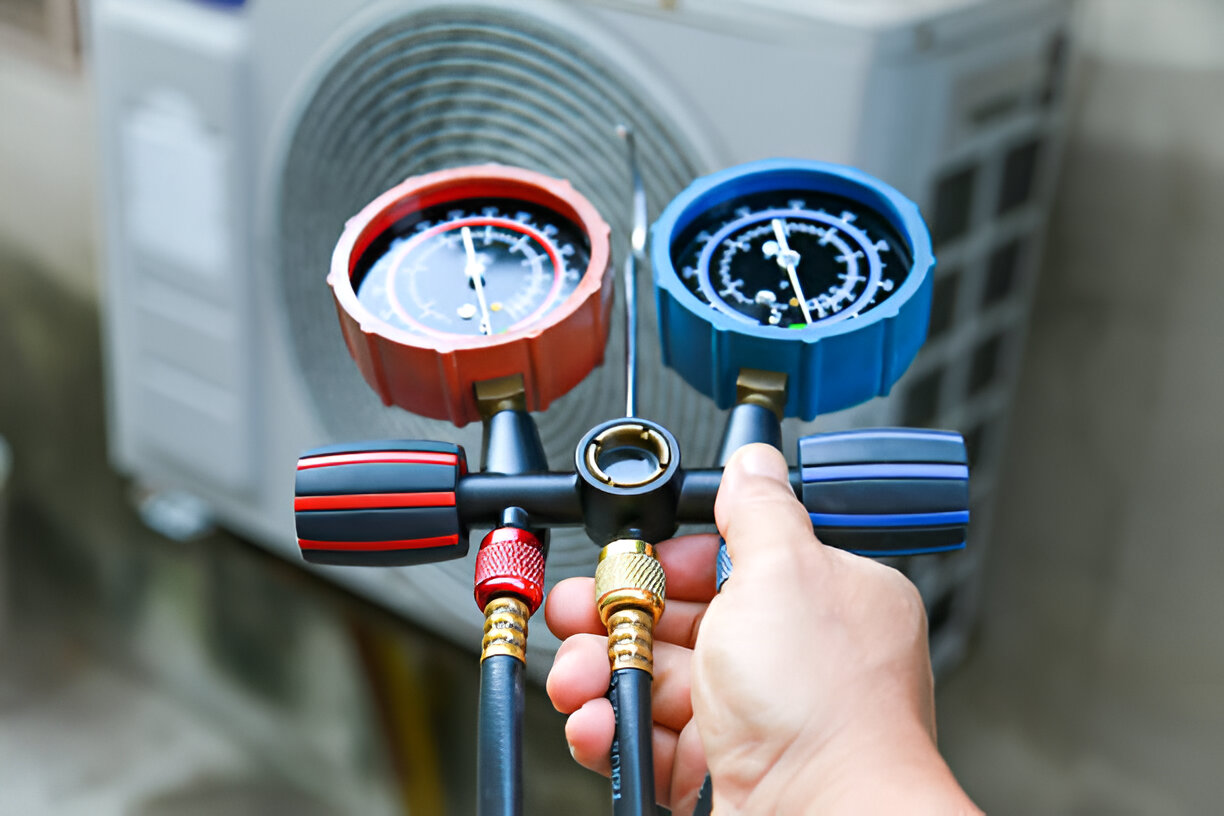
Common AC repair symptoms in Minerva Park, OH
Recognizing early warning signs often avoids a complete system failure. Common AC problems local homeowners see include:
- Weak or warm airflow — could indicate a failing blower motor, clogged filter, or low refrigerant.
- Short cycling (turning on and off frequently) — often caused by electrical faults, incorrect refrigerant levels, or a failing compressor.
- No cooling at all — may point to major electrical failures, a seized compressor, or refrigerant leaks.
- Ice on the evaporator coil or refrigerant lines — typically results from low refrigerant or restricted airflow from dirty coils or filters.
- Unusual noises (clanking, grinding, hissing) — fans, motors, or loose components can generate distinctive sounds before a failure.
- High humidity or poor dehumidification — even with running AC, restricted airflow, wrong refrigerant charge, or aged equipment can reduce moisture control.
- Frequent tripped breakers or burning smell — electrical faults, failing capacitors, or motor issues require immediate attention.
Local factors in Minerva Park such as seasonal pollen, tree debris, and summer humidity contribute to clogged coils and filters and can accelerate wear on outdoor units. Proactive recognition matters here because humid conditions place extra stress on cooling systems.
How technicians diagnose AC problems
A systematic diagnostic process reduces guesswork and cost. Typical steps include:
- System history and symptom interview — technicians ask when the problem started and what conditions make it worse.
- Visual inspection — check condenser coils, fan blades, electrical panels, and ductwork for obvious issues like debris, rodent damage, or visible leaks.
- Filter and airflow checks — inspect filters, registers, and blower wheel for blockages or reduced flow.
- Electrical testing — measure voltages, contactors, capacitors, and safety switches to identify failing components.
- Refrigerant and pressure testing — check pressures and temperatures to detect leaks or incorrect charge.
- Component performance checks — verify compressor operation, fan speeds, and thermostat/control functions.
- Leak detection and duct evaluation — use electronic leak detectors or dye tests, and assess ducts for gaps or insulation problems that reduce efficiency.
Technicians typically combine these steps to produce a clear diagnosis and prioritize repairs that restore safe operation and system efficiency.
Typical AC repairs performed
Repairs address both immediate failures and underlying causes to reduce repeat calls. Common repairs include:
- Compressor repair or replacement — compressors fail from electrical problems, low refrigerant, or age. Replacement is common when the compressor is seized or inefficient.
- Refrigerant leak repair and recharge — locating and repairing leaks, then recharging to manufacturer-specified levels to restore cooling and protect the compressor.
- Electrical repairs — replacing capacitors, contactors, breakers, relays, or fixing damaged wiring that causes intermittent operation or dangerous conditions.
- Blower motor and fan repairs — replacing motors, belts, or bearings that cause weak airflow or noisy operation.
- Condenser fan and coil service — cleaning or replacing fan motors and straightening/cleaning condenser coils to improve heat transfer.
- Thermostat and control fixes — recalibrating or replacing thermostats and ensuring proper communication with the system.
- Duct repairs and sealing — repairing disconnected or leaky ducts that reduce cooling efficiency and comfort balance.
Repairs are selected based on safety, cost-effectiveness, and expected remaining life of the equipment.
Parts, compatibility, and warranty information
Understanding parts and warranty options helps homeowners make informed decisions:
- OEM vs aftermarket parts — original equipment manufacturer parts match the model’s specifications, while quality aftermarket parts can be cost-effective for some components. Compatibility with refrigerant types and electrical requirements is critical.
- Manufacturer warranties — many major components come with manufacturer warranties (compressors, coils). Warranty terms vary by model and registration status.
- Labor warranties — reputable service providers often offer limited labor warranties on repairs; confirm terms in writing.
- Documentation — technicians should document parts replaced, serial numbers, and recommended follow-up to support warranty claims and future service.
Ask for clear paperwork that explains parts installed, warranty coverage, and preventative recommendations to preserve warranty eligibility.
Emergency and after-hours AC repair in Minerva Park
Minerva Park residents sometimes need repairs outside normal business hours during heat waves or after storms. Emergency service practices typically include:
- Rapid assessment and temporary fixes — technicians focus first on safety and restoring basic cooling (resetting breakers, temporary part replacements, or isolating leaking lines).
- Prioritization of critical repairs — electrical hazards, refrigerant leaks, and compressor failures get immediate attention.
- Follow-up planning — emergency calls are followed by scheduled, permanent repairs with full parts and testing.
Even when immediate full repairs aren’t possible, safe, temporary measures can prevent further damage until permanent parts are available.
Estimates, transparent pricing, and repair vs replace guidance
A clear estimate saves surprises. Good practices include:
- On-site diagnostic assessment — a thorough diagnostic produces an itemized estimate showing parts, labor, and options.
- Transparent pricing — written estimates separate parts, labor, and any recommended maintenance to help compare choices.
- Repair vs replacement analysis — technicians consider age, efficiency, frequency of breakdowns, and projected energy savings to advise whether repair or replacement is the better long-term value.
- Energy and comfort impact — upgraded equipment may reduce energy bills and improve humidity control in Minerva Park’s climate; decisions should weigh immediate cost against ongoing operating savings.
Tips to avoid future AC breakdowns in Minerva Park homes
Preventive care extends equipment life and reduces emergency repairs:
- Change or clean air filters every 1–3 months during heavy use.
- Keep the outdoor unit clear of leaves, grass, and pollen; trim vegetation at least two feet away.
- Schedule seasonal tune-ups in spring and fall to check refrigerant, electrical systems, and airflow.
- Install a programmable or smart thermostat to reduce short cycling and unnecessary runtime.
- Ensure ducts are insulated and sealed, especially in unconditioned spaces, to prevent loss of cooled air.
- Protect outdoor equipment from storm damage and consider surge protection for electrical systems.
Regular maintenance is especially important in Minerva Park because humidity and seasonal debris increase strain on cooling systems.
Hot Deals & Cool Savings

.webp)
New Service Agreement Membership
.webp)
Any New Client Service
Next Service for Referring a New Client
New Service Agreement Membership
Any New Client Service
Next Service for Referring a New Client
.webp)
.webp)

Service Areas
