
AC Installation in Minerva Park, OH
Air Conditioning Installation in Minerva Park, OH delivers energy-efficient comfort with precise on-site sizing. Learn more and schedule service today.

Air Conditioning Installation in Minerva Park, OH
Replacing or installing a new air conditioning system is one of the most effective ways to improve comfort, lower energy bills, and protect indoor air quality in Minerva Park, OH. Summers in the Columbus area bring hot, humid conditions that push older or undersized systems beyond their limits. A correctly sized, energy-efficient system matched to your home’s layout and ductwork delivers reliable cooling, better humidity control, and quieter operation—especially important in smaller village lots and older neighborhood homes common in Minerva Park.
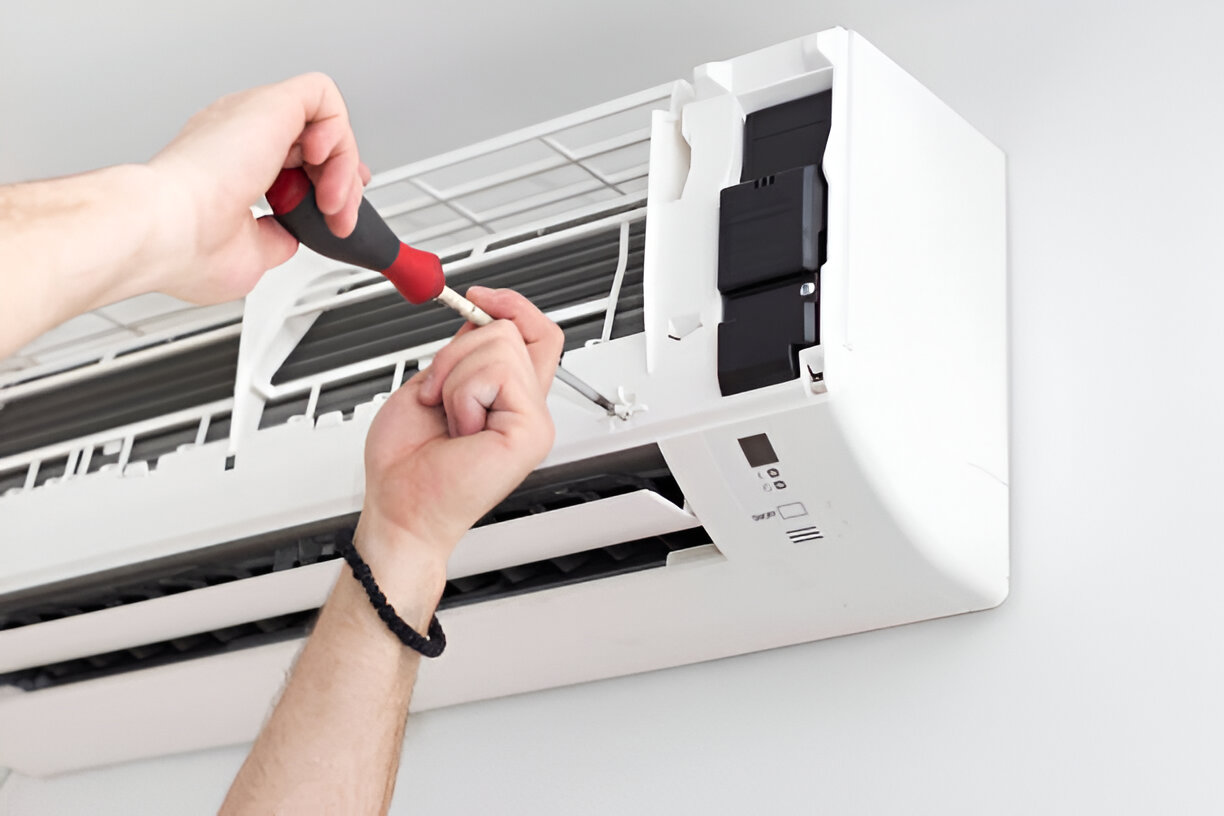
Common air conditioning installation options in Minerva Park
Choosing the right system depends on your home, comfort goals, and budget. Typical options include:
- Central split systems (most common for single-family homes): exterior condenser with interior air handler; works with existing ductwork.
- Heat pump systems: provide both cooling and efficient heating in milder winter conditions; now effective even in colder months with modern cold-climate models.
- Ductless mini-splits: ideal for additions, older homes without ductwork, or zone control in finished basements and sunrooms.
- Packaged units: used where space is limited and for certain remodeling situations.
Energy-efficiency matters: look for higher SEER ratings and ENERGY STAR models to reduce operating costs and improve humidity control. In Minerva Park’s humid climate, systems with better dehumidification and variable-speed compressors deliver the most comfortable results.
On-site load assessment and accurate unit sizing
A proper installation starts with an on-site load assessment—not a rule-of-thumb estimate. This includes:
- Evaluating square footage, ceiling heights, insulation levels, window types, and orientation
- Inspecting attic and crawlspace insulation and air sealing
- Accounting for local shading and tree cover
- Considering household occupancy, appliances, and typical thermostat settings
Technicians perform a Manual J load calculation to determine the correct cooling capacity for your home. Oversizing leads to short cycling, poor humidity control, and higher bills; undersizing leaves rooms hot and stressed equipment. In Minerva Park homes—many of which were built before modern insulation standards—this step is crucial to avoid undersized systems, especially in older construction with uninsulated attics.
Ductwork, ventilation, and thermostat integration
Ductwork condition directly affects system performance. Common duct issues seen in local homes include leaks, insufficient return airflow, and undersized runs. Typical steps during installation:
- Inspecting and documenting duct integrity and balance
- Sealing and insulating ducts where needed
- Re-sizing or adding returns for proper airflow when required
- Integrating zoning dampers for multi-zone control in larger or multi-level homes
Thermostat integration is equally important. Smart thermostats or multi-stage controls that match the new equipment’s capabilities improve comfort and efficiency, and allow better humidity management during Minerva Park’s muggy summer months.
Equipment options and energy-efficiency considerations
When selecting equipment, weigh upfront cost against long-term savings:
- Variable-speed and two-stage compressors provide quieter operation and better part-load efficiency.
- High-efficiency coils and ECM blower motors reduce electricity demand.
- Proper refrigerant charge and airflow tuning are essential to achieve rated efficiencies.
- Consider systems with enhanced filtration and optional UV or whole-home filtration for improved indoor air quality—useful for local pollen seasons and dusty attic spaces.
Manufacturer warranties vary by model and often require professional registration and periodic maintenance to remain valid. Keep warranty terms in mind when comparing options.
Project timeline, permitting, and disposal of old equipment
A typical residential AC installation in Minerva Park follows these steps:
- Initial consultation and on-site load assessment
- Equipment selection and scheduling
- Permitting (if required by Franklin County or Minerva Park codes)
- Installation day(s): removal of old unit, ductwork modifications, system installation, refrigerant handling, electrical and thermostat connections
- Startup, balancing, and homeowner system walkthrough
Permits: Many installations require local permits and inspections to ensure safe electrical work and refrigerant handling. Technicians should pull the appropriate permits and coordinate inspections as part of the project.
Disposal: Old equipment must be recovered and disposed of in compliance with EPA refrigerant recovery regulations. Proper disposal also includes recycling metal and responsible disposal of non-recyclables.
Warranty, maintenance recommendations, and financing options
Warranties: New systems typically include a manufacturer’s limited warranty on major components and a compressor warranty. Ask about warranty durations and any registration requirements. Extended labor warranties may be available through service providers.
Maintenance: Regular maintenance preserves efficiency and extends system life. Recommended tasks include:
- Biannual tune-ups (spring for cooling, fall for heating)
- Filter replacement every 1–3 months depending on filter type and household needs
- Annual coil and drain cleaning and airflow checksA maintenance plan helps avoid emergency breakdowns during heat waves and often includes priority scheduling and discounts on repairs.
Financing: Many homeowners find financing useful to spread the cost of higher-efficiency systems. Financing options vary and can help make energy-saving upgrades more accessible without delaying necessary replacements.
Why timely air conditioning installation matters in Minerva Park
Delaying replacement or installing an incorrectly sized system can have immediate and long-term consequences:
- Higher monthly energy bills and uneven comfort
- Increased humidity-related issues like mold growth and wood damage
- Shortened equipment life and more frequent repairs
- Reduced resale appeal in a market where comfortable, efficient homes are valued
A properly scoped and installed system improves indoor comfort, lowers operating costs, and provides dependable performance through Columbus-area summers and transitional seasons.
Hot Deals & Cool Savings

.webp)
New Service Agreement Membership
.webp)
Any New Client Service
Next Service for Referring a New Client
New Service Agreement Membership
Any New Client Service
Next Service for Referring a New Client
.webp)
.webp)

Service Areas
