
AC Repair in Clintonville, OH
Air Conditioning Repair in Clintonville, OH diagnoses and fixes common cooling issues. Learn more about reliable repairs today.

Air Conditioning Repair in Clintonville, OH
A failing air conditioner during a hot, humid Columbus summer is more than an inconvenience — it affects comfort, sleep, indoor air quality, and can damage sensitive electronics or furnishings. If your home in Clintonville is experiencing inconsistent cooling, strange noises, or rising energy bills, understanding common causes and realistic repair options helps you make an informed decision quickly.
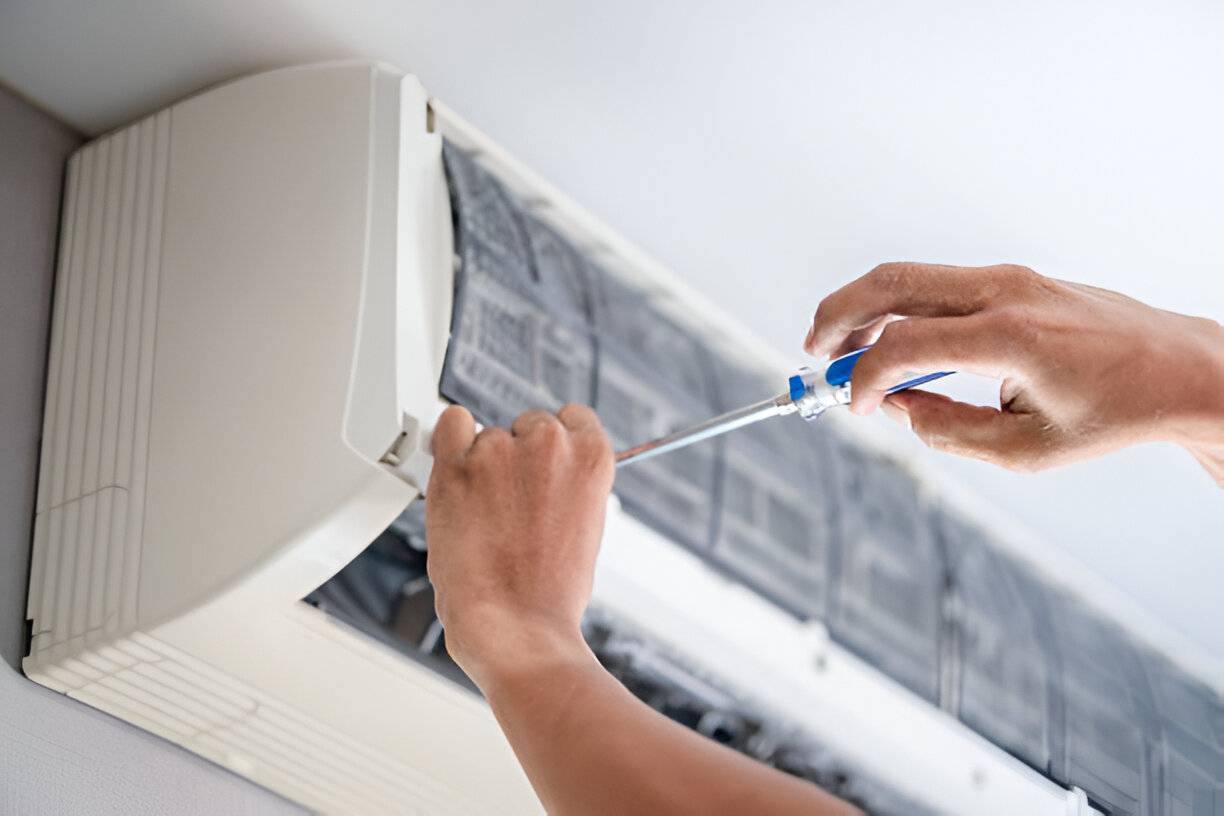
Common AC problems in Clintonville homes
Clintonville’s humid summers and older, tree-lined neighborhoods create specific stresses on cooling systems. These are the most frequent issues we see:
- Insufficient cooling or uneven temperatures — often due to low refrigerant, failing compressors, blocked coils, or duct leaks.
- System short-cycling (turning on and off rapidly) — commonly caused by electrical faults, a failing thermostat, improper refrigerant charge, or an oversized unit.
- Strange noises — banging, grinding, or squealing can indicate failing bearings, loose components, or a seized compressor.
- Weak airflow — clogged filters, failing blower motors, collapsing ducts, or blocked outdoor unit debris (leaves/pine needles) from Clintonville’s mature trees.
- Water leaks or ice on evaporator coil — caused by clogged condensate lines, low refrigerant, or inadequate airflow.
- Frequent tripping of breakers — often an electrical or compressor issue that requires diagnosis for safety.
How the AC diagnostic process works
A thorough diagnostic separates quick fixes from necessary repairs so you get the best long-term outcome.
- Initial inspection: Visual check of indoor and outdoor units, filter condition, duct access points, thermostat settings, and visible wiring or condensate issues.
- Operational testing: System run to observe temperatures, airflow, cycling behavior, abnormal sounds, and compressor start-up under load.
- Electrical testing: Voltage and amperage checks on motors and compressor, safety control tests, and thermostat signal verification.
- Refrigerant and pressure checks: Measure system pressures and temperatures to identify leaks or incorrect charge—important in older systems or after recent repairs.
- Duct and airflow assessment: Inspect registers, return vents, and accessible ducts for blockages, disconnections, or insulation failures common in older Clintonville homes.
Diagnostics typically identify a primary failure and any secondary issues that could cause repeat problems if left unaddressed.
Typical repair solutions explained
Here are common fixes you’ll encounter for the issues above, explained in clear terms:
- Compressor repair or replacement: The compressor is the heart of the outdoor unit. When it fails, options are limited: either a targeted compressor replacement (when compatible and cost-effective) or replacing the outdoor unit or entire system for long-term reliability.
- Refrigerant leak repair and recharge: Technicians locate and repair leaks, replace necessary components (like fittings or coils), and recharge the system to the correct manufacturer specification. Leaving leaks unattended leads to poor cooling and environmental concerns.
- Electrical and control repairs: Faulty capacitors, contactors, relays, or thermostats are common. Replacing worn electrical components restores reliable starts and prevents short-cycling and breaker trips.
- Blower motor and airflow fixes: Replacing belts, cleaning or replacing motors, clearing condensate lines, and cleaning coils improve airflow and efficiency. In homes with older ductwork, sealing or insulating ducts reduces energy loss.
- Coil cleaning and debris removal: Outdoor units blocked by leaves or pollen common to Clintonville must be cleaned and possibly treated for corrosion or coil damage.
- Condensate line and drain repairs: Clearing or replacing clogged drain lines resolves water leaks and prevents mold growth inside the house.
Emergency and after-hours response
Hot weather can create urgent needs. Emergency repair response typically prioritizes systems that pose health or safety risks (no cooling for vulnerable occupants, severe leaks, electrical hazards). After-hours service focuses on safe temporary fixes to restore operation until a full diagnostic and repair can be completed during regular hours.
When an emergency response is performed, expect a technician to:
- Make the system safe and restore partial or full cooling where possible
- Clearly document what was addressed and what still requires follow-up
- Provide a recommended schedule for complete repairs
Expected timelines and pricing factors
Timelines vary by complexity:
- Minor repairs (filter, capacitor, thermostat) can be completed in a single visit.
- Refrigerant leak repair, coil work, or blower motor replacement may require parts ordering and a follow-up visit.
- Compressor or full-system replacements take longer due to component sourcing and permit/installation requirements.
Pricing depends on several factors:
- Age and accessibility of the system (older systems or tight attic/closet locations take longer)
- Genuine replacement parts vs. aftermarket options
- Extent of associated repairs (duct sealing, electrical upgrades)
- Manufacturer and model of the equipment
- Whether temporary emergency repairs are needed before a full replacement
Parts, warranties, and long-term value
Replacement parts typically include manufacturer warranties and technicians often provide a limited labor warranty for the specific repair. Important distinctions to look for:
- Manufacturer parts warranties — cover defects for a stated period; transferring coverage depends on original registration and product age.
- Labor warranties — cover the work performed; durations vary by provider.
- Extended or service-plan protections — regular maintenance agreements often include priority scheduling, discounts on parts, and reduced service fees, which can be valuable in high-use seasons.
Choosing repair options should weigh the remaining useful life of the equipment, the cost and availability of parts, and how often repairs are likely to be needed.
Preventing future breakdowns — maintenance tips for Clintonville homeowners
Routine care reduces emergency repairs and extends equipment life, especially with our local climate stresses.
- Change or clean filters every 1–3 months during heavy use.
- Schedule professional tune-ups before the cooling season to check refrigerant, electrical components, and coil condition.
- Keep the outdoor unit clear of leaves, mulch, and grass clippings; trim vegetation at least two feet from the unit.
- Ensure attic and crawlspace insulation is adequate to reduce load on the AC.
- Consider a programmable thermostat to reduce unnecessary cycling and wear.
- Inspect condensate drains annually and clear them of debris or slime that builds up in humid months.
Hot Deals & Cool Savings

.webp)
New Service Agreement Membership
.webp)
Any New Client Service
Next Service for Referring a New Client
New Service Agreement Membership
Any New Client Service
Next Service for Referring a New Client
.webp)
.webp)

Service Areas
