
AC Installation in Clintonville, OH
Air Conditioning Installation in Clintonville, OH: on-site assessment, precise sizing, duct sealing, and a smooth system startup. Learn more.

Air Conditioning Installation in Clintonville, OH
Installing a new air conditioning system is one of the most effective ways to improve comfort, lower energy bills, and future-proof your home against hot, humid Ohio summers. For homeowners in Clintonville, OH, the right AC installation balances accurate sizing, energy-efficient equipment, and attention to older-home ductwork and space constraints common in this neighborhood.
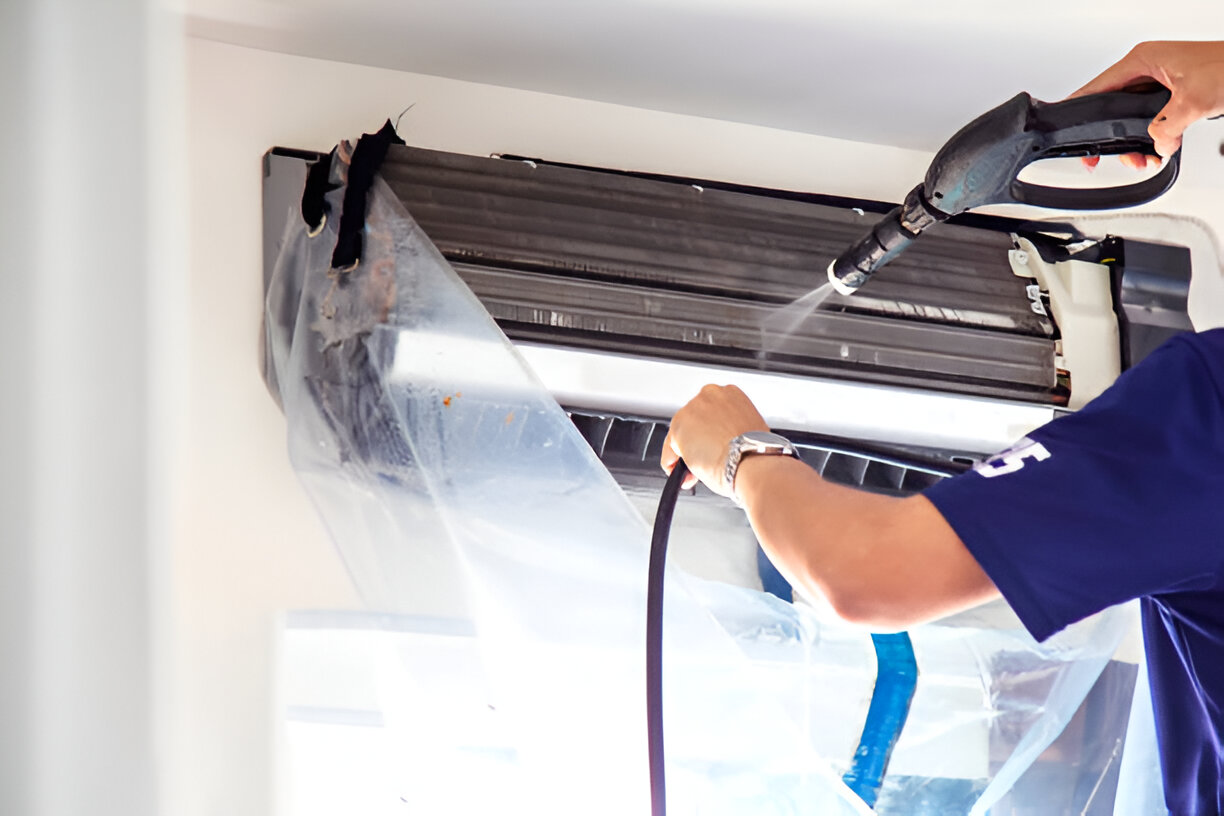
Why a proper AC installation matters in Clintonville homes
Clintonville’s mature-tree streets and many early- to mid-20th century homes create a unique mix of cooling challenges. Large shade trees can reduce direct solar gain but older construction often comes with thinner insulation, legacy duct runs, and tighter attic or crawlspace access. Combined with Central Ohio’s humid summers, these factors make accurate load calculations and ductwork evaluation essential. An undersized or incorrectly installed system will run constantly, fail prematurely, and struggle to control humidity.
Common AC installation types and issues in Clintonville
- Full system replacement: Replacing both outdoor condenser and indoor coil plus thermostat for aging systems.
- Compressor and coil replacement: When one major component fails but ducts and condenser remain viable.
- Ductless (mini-split) installations: Ideal for additions, older homes without practical duct runs, or rooms needing independent control.
- Ductwork upgrades or sealing: Many Clintonville homes benefit from sealing, insulating, or reconfiguring ducts to improve efficiency and comfort.
- Right-sizing mistakes: Oversized equipment cycles frequently and fails to dehumidify; undersized equipment runs nonstop.
Site assessment and load calculations
A professional installation begins with an on-site assessment and a Manual J load calculation tailored to your Clintonville home. Assessment steps include:
- Inspecting the building envelope: walls, attic, windows, insulation levels and orientation.
- Measuring living areas and noting window sizes, sun exposure, and shade from mature trees.
- Evaluating existing ductwork, return locations, and airflow limitations.
- Reviewing electrical capacity and outdoor unit placement constraints (setbacks, tree root zones, noise considerations).The Manual J calculation determines the precise cooling capacity needed, minimizing the risk of oversizing or undersizing.
Equipment selection: energy-efficient models and proper sizing
Choosing the right equipment means matching capacity, efficiency, and features to your home and budget.
- Look for high-SEER equipment for better seasonal efficiency; in humid climates, emphasis on models with good dehumidification performance matters.
- Consider variable-speed compressors and variable air flow fans to improve comfort and reduce cycling.
- Matched indoor coil and outdoor condenser packages produce the best reliability and efficiency.
- For tight or historic Clintonville homes, compact air handlers or ductless systems may provide the best fit without invasive renovation.Proper sizing from load calculations is more important than choosing the highest-rated model. A correctly sized, moderately efficient system will outperform an oversized ultra-efficient unit.
Ductwork considerations for Clintonville homes
Ductwork frequently dictates installation complexity in older neighborhoods. Typical considerations:
- Duct leakage testing and sealing to recover lost capacity and efficiency.
- Insulating ducts in unconditioned attics or crawlspaces to prevent thermal losses.
- Reconfiguring returns and supplies to balance airflow and eliminate hot/cold spots.
- Installing or upgrading zoning systems in homes with varied occupancy patterns.Addressing duct issues during installation delivers noticeably better comfort and lower operating costs.
Installation steps and typical timeline
A clear, professional installation follows a predictable sequence:
- Pre-install preparation: final equipment selection, permit review, and scheduling.
- Delivery and staging of indoor and outdoor equipment.
- Removal of existing equipment (if applicable) and minimal demolition for access.
- Installation of condenser, air handler/coil, refrigerant lines, electrical, and thermostat.
- Duct modifications, sealing, or insulation work as identified in the assessment.
- Evacuation, refrigerant charging, and system startup.
- Post-install testing and homeowner orientation.Typical timelines:
- On-site assessment and estimate: one visit, 1 to 2 hours.
- Scheduling and permitting: often days to a couple of weeks depending on permits and parts.
- Installation day(s): a straightforward like-for-like replacement often takes 4 to 8 hours; full-system replacements or homes requiring ductwork can take 1 to 3 days.
Warranties and manufacturer information
Most modern air conditioners carry manufacturer warranties on major components such as the compressor and coil—commonly multi-year parts warranties on higher-efficiency models. Labor warranties typically cover workmanship for a set period after installation. Important points:
- Confirm the length and terms of both parts and labor warranties.
- Register manufacturer warranties promptly to preserve coverage.
- Retain documentation for installed equipment models, serial numbers, and warranty certificates.
Post-install testing and customer orientation
After installation, thorough testing ensures performance and homeowner confidence:
- Verify correct refrigerant charge and system pressures for optimal efficiency.
- Confirm airflow, temperature differentials, and thermostat calibration.
- Check condensate drainage and safety controls.
- Walk through system operation with the homeowner: thermostat programming, filter locations and types, routine maintenance tasks, and expected sounds or system behaviors.A complete handover includes printed documentation of installed equipment, recommended maintenance schedules, and warranty details.
Financing options and free estimate process
Many homeowners prefer financing to spread the cost of a new system. Typical options include:
- Third-party financing plans with varying terms, including low-interest and deferred-payment offers through approved lenders.
- Energy-efficiency rebates and incentives: local utility rebates or federal/state incentives may be available for qualifying high-efficiency equipment.
- Flexible payment plans for HVAC upgrades and ductwork.The free estimate process generally involves:
- Initial inquiry and preliminary conversation about needs.
- Scheduling an on-site assessment and Manual J load calculation.
- Receiving a written estimate with equipment options, timelines, warranty information, and financing options clearly outlined.This transparent estimate process helps Clintonville homeowners compare options and choose a solution that fits their long-term comfort and budget goals.
Benefits and maintenance tips
A correctly installed, properly sized AC system delivers:
- Consistent comfort and better humidity control during hot Columbus summers.
- Lower energy bills and longer equipment life.
- Quieter operation and improved indoor air quality when combined with proper filtration and duct sealing.Maintenance tips to protect your investment:
- Replace or clean filters monthly during high-use seasons.
- Schedule annual maintenance to preserve efficiency and warranty coverage.
- Keep outdoor unit clear of leaves and debris and trim vegetation to maintain airflow.
A professional, code-compliant installation that takes Clintonville’s home styles and climate into account ensures reliable comfort, efficient operation, and the best long-term value from your new air conditioning system.
Hot Deals & Cool Savings

.webp)
New Service Agreement Membership
.webp)
Any New Client Service
Next Service for Referring a New Client
New Service Agreement Membership
Any New Client Service
Next Service for Referring a New Client
.webp)
.webp)

Service Areas
