
Water Heater Replacement in Westerville, OH
Water heater replacement in Westerville, OH: expert evaluation, energy-efficient options, removal, installation, and maintenance tips. Schedule installation today.

Water Heater Replacement in Westerville, OH
A failing or aging water heater disrupts daily life — no hot showers, longer laundry cycles, and the stress of potential leaks or breakdowns. Water heater replacement in Westerville, OH explains when replacement is the right move, how technicians evaluate your existing system, and what to expect from modern, energy-efficient replacements selected for central Ohio homes and weather conditions.
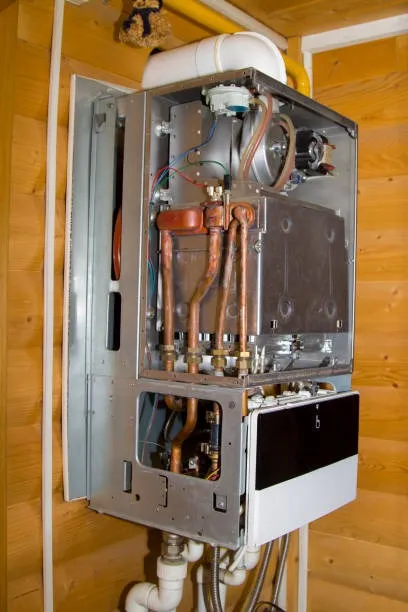
Why replace rather than repair
- Typical lifespan: most tank-style heaters last 8–12 years; tankless units commonly last 15–20 years. If your unit is approaching or beyond these ranges, replacement often costs less long-term than repeated repairs.
- Signs replacement is recommended:
- Persistent leaks or visible rust at the tank
- Frequent need for repairs or failure of multiple components (thermostat, heating elements, gas valve)
- Poor recovery time: long waits for hot water despite new heating elements
- Brown or metallic-smelling water (internal corrosion)
- Noisy operation from heavy sediment build-up
- In Westerville, cold winters and higher seasonal demand increase recovery needs, so older units often struggle more here than in milder climates.
How technicians evaluate your water heater
A replacement recommendation begins with a focused diagnostic:
- Age and model history review
- Visual inspection for corrosion, leaks, and structural integrity
- Check of the anode rod condition and sediment level via sample or drain
- Functional tests: thermostat readouts, heating element resistance, gas pressure and venting tests for gas units
- Assessment of household hot water demand (family size, fixtures, schedules)
- Evaluation of installation location (basement, garage, closet) and local code/permitting needs in Westerville
From that evaluation, technicians determine if repairs are temporary fixes or if a full replacement better restores performance and safety.
Removal and safe disposal of the old unit
Replacement includes professional disconnection, safe removal, and disposal of the old unit:
- Proper neutralization of fuel/gas connections and safe draining of the tank
- Recycling or disposal according to Ohio and municipal guidelines to prevent contamination
- Safe handling of insulation and piping to avoid debris in living spaces
- Documentation that disposal followed local environmental and building rules
Technicians will also identify any pre-existing conditions (corroded fittings, saturated flooring, electrical or gas safety issues) that should be corrected during replacement.
Selecting an upgraded, energy-efficient model
Options commonly recommended for Westerville homes:
- High-efficiency electric storage tanks with improved insulation and better UEF (Uniform Energy Factor)
- High-efficiency gas storage with sealed venting to reduce standby losses
- Heat pump (hybrid) water heaters — best in conditioned spaces due to higher efficiency and potential utility incentives
- Tankless (on-demand) models — reduced standby loss and endless hot water for homes with variable demand, but require descaling in hard-water areasSelection factors:
- Household hot water profile (peak simultaneous use)
- Fuel availability (natural gas, propane, or electric)
- Space and venting constraints in home (basement vs. utility closet)
- Local climate: cold winters favor units with strong recovery or hybrid systems in heated basements
- Water quality: Westerville and greater Columbus area often have moderately hard water; this influences whether a tankless unit needs a water softener or scheduled descaling
Cost factors and financing options
Replacement cost depends on:
- Unit type and capacity (tank vs tankless vs heat pump)
- Fuel type and required venting or gas line work
- Complexity of installation (access, removal, additional plumbing or electrical upgrades)
- Permit requirements and local code compliance in Westerville
- Optional upgrades (expansion tanks, water softeners, dielectric unions, new venting)Financing options commonly available include manufacturer financing, third-party home improvement loans, and utility or manufacturer rebates for qualifying energy-efficient equipment. Local utility programs and state incentives may offset cost for qualifying high-efficiency models.
Installation and connection details
Professional installation ensures safety, code compliance, and optimal performance:
- Proper siting to meet Ohio code and local Westerville requirements (clearances, combustion air for gas units)
- Correct venting for gas models or condensate management for high-efficiency units
- Electrical circuit upgrades for electric or heat pump installations if needed
- Safe pressure relief and expansion tank installation to protect plumbing systems
- Leak checks, combustion analysis (for gas), and a full function test to confirm temperature, flow, and safety devices operate correctly
Installation quality directly affects system longevity and warranty validity, so professional adherence to code and manufacturer instructions is critical.
Expected improvements after replacement
Upgrading to a new water heater typically brings:
- Faster recovery and more consistent hot water during peak use
- Improved energy efficiency and lower monthly operating costs, often measurable by higher UEF ratings
- Reduced risk of leaks and structural damage from aging tanks
- Quieter operation and fewer maintenance calls in the short term
- Modern safety features like improved temperature controls and updated pressure-relief valves
In Westerville, better insulation and modern controls can offset seasonal demand spikes and colder incoming water temperatures in winter.
Warranty coverage and what to look for
New units come with manufacturer warranties that can vary by part and tank length. Typical coverage aspects:
- Tank warranty length (varies by model and manufacturer)
- Coverage for heating elements, valves, and electronic components
- Conditions that could void coverage (improper installation, hard-water neglect, lack of professional maintenance)Registering the unit and keeping installation records helps preserve warranty rights.
Recommended maintenance to extend life
A simple maintenance plan keeps a new heater efficient and prolongs service life:
- Annual professional inspection: check anode rod, T&P valve, burners or elements, and overall condition
- Annual or semiannual tank flush where sediment is a problem — important in Westerville where hard water can accelerate scale
- Inspect and replace anode rod every 3–5 years or when depleted
- Monitor pressure and install/maintain an expansion tank if needed
- For tankless systems: scheduled descaling if you have hard water, and periodic filter checks
- Keep vents and exhaust paths clear for combustion safety on gas units
Replacing an aging water heater in Westerville, OH is an investment in comfort, safety, and long-term energy savings. A careful evaluation, correct unit selection, professional installation, and a disciplined maintenance plan will deliver reliable hot water and protect your home against the risks associated with old or failing equipment.
Hot Deals & Cool Savings

.webp)
New Service Agreement Membership
.webp)
Any New Client Service
Next Service for Referring a New Client
New Service Agreement Membership
Any New Client Service
Next Service for Referring a New Client
.webp)
.webp)

Service Areas
