
Water Heater Repair in Westerville, OH
Water heater repair in Westerville, OH by trusted technicians. Comprehensive diagnostics, quick repairs, maintenance tips, and emergency options. Learn more.

Water Heater Repair in Westerville, OH
A reliable hot water supply is essential for Westerville homes and businesses, especially through cold Ohio winters and during high-demand summer months. If your water heater is failing to produce consistent hot water, leaking, making strange noises, or showing ignition problems, expert troubleshooting and repair can restore comfort quickly and reduce the chance of an untimely replacement.
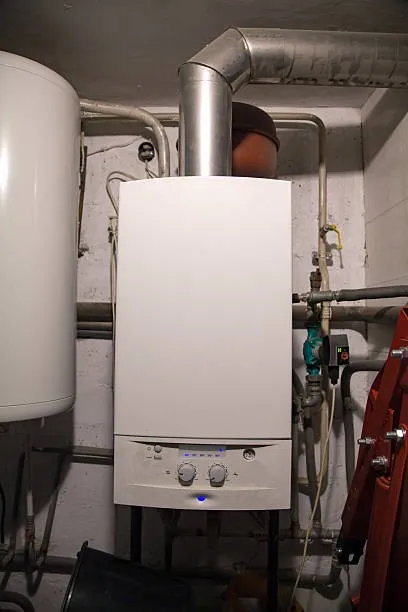
Common water heater symptoms in Westerville homes and businesses
- No hot water or only lukewarm water after cycles complete
- Short cycling or running out of hot water quickly
- Visible leaks at tank seams, valves, or connections
- Loud popping, rumbling, or banging noises from the tank (sediment buildup)
- Pilot light or electronic ignition failures on gas units
- Discolored or metallic-tasting hot water (corrosion or failing anode rod)
- Frequent tripped breakers or blown heating elements on electric units
- Water pressure issues related to pressure relief valve problems
Westerville and central Ohio's moderately hard water and seasonal temperature swings contribute to sediment accumulation and corrosion that accelerate many of these issues.
Diagnostic and inspection process
A thorough diagnosis identifies the root cause before any repair begins. Typical diagnostic steps include:
- Visual inspection of tank, fittings, venting, and drain lines for leaks or damage
- Checking thermostat settings and control panel error codes on modern units
- Electrical tests: voltage and continuity checks for elements, thermostats, and breakers on electric heaters
- Gas tests: verifying gas supply, pilot or ignition function, gas valve operation, and combustion venting for gas heaters
- Temperature measurements at outlet and recovery rate testing during a heating cycle
- Pressure relief valve test and tank pressure assessment
- Sediment assessment via tank drain or inspection port on systems that allow it
Diagnosing both residential and commercial systems considers capacity, demand patterns, and any code or installation issues common to Westerville properties.
Typical repair procedures
Repairs focus on restoring safe, efficient operation while preserving remaining service life when possible. Common procedures include:
- Thermostat replacement or recalibration to restore accurate temperature control
- Heating element replacement on electric tanks; multi-element systems tested and swapped as needed
- Pressure relief valve replacement or reseating to eliminate leaks and relieve overpressure safely
- Leak repair: tightening or replacing fittings, valves, or occasionally repairing or patching tanks depending on location and severity of corrosion
- Anode rod replacement to halt rapid tank corrosion and extend life of steel tanks
- Sediment flush and tank cleaning to reduce noise and improve efficiency and recovery time
- Ignition system repair: cleaning pilot assemblies, replacing thermocouples, or replacing electronic ignition modules on gas units
- Control board or sensor replacement on modern, tankless, or hybrid systems
- Venting repairs and combustion adjustments for gas systems to ensure safe exhaust and efficiency
For commercial systems, repairs may also include return-to-service planning to minimize downtime and temporary hot water routing.
Parts and brands commonly serviced
Technicians in Westerville typically service a wide range of residential and commercial brands and parts, including:
- Brands: Rheem, Bradford White, A O Smith, Whirlpool, State, Bosch, Rinnai, Navien, Noritz, and Kenmore
- Parts: thermostats, heating elements, anode rods, pressure relief valves, drain valves, gas valves, thermocouples, ignition modules, control boards, expansion tanks, and mixing valves
Technicians can evaluate OEM part availability and recommend equivalent replacements when manufacturers are out of stock.
Expected timelines and what to expect on service day
- Basic diagnostics and minor repairs (thermostat, element change, pressure valve) are often completed within 1 to 3 hours.
- Sediment flushes, anode rod replacement, and more involved leak repairs can take 2 to 4 hours depending on access and tank condition.
- Complex repairs, control board replacements, or parts that require ordering may extend service to the next business day or longer.
- Commercial systems or multi-unit buildings may require phased repairs or temporary solutions to maintain hot water to critical areas.
Technicians will prioritize safety checks, especially for gas systems and pressure-related repairs, before returning the system to normal operation.
Emergency and after-hours repair considerations
Water heater failures can require prompt attention in Westerville, particularly in winter when pipes risk freezing or businesses cannot operate without hot water. Emergency repair options typically include:
- After-hours diagnostics to determine immediate risk such as leaking or gas odor
- Priority repairs to stop active leaks or restore temporary heating while parts are sourced
- Safe shutoff and isolation of malfunctioning equipment to protect building systems until full repair
Emergency responses focus on safety first: stopping gas or major water leaks, stabilizing electrical hazards, and preventing freeze damage during cold spells.
Warranty information and repair vs replacement
- Many replacement parts carry manufacturer warranties; labor warranties are commonly offered for a limited period (for example, 30 to 90 days) depending on the service provider. Always confirm specific warranty terms for parts and labor used in repairs.
- If a tank shows extensive corrosion, multiple leaks, or repeated element failures due to age or chronic sediment buildup, replacement may be the more cost-effective and reliable path. Age thresholds differ by type: standard tanks often approach the end of useful life after 8 to 12 years in hard water areas, while tankless units have longer lifespans but require timely maintenance.
- For commercial systems, warranty and code compliance are critical considerations when deciding between repair and replacement.
Preventive maintenance tips for Westerville property owners
Proactive maintenance reduces emergency repairs and extends equipment life:
- Flush the tank at least once a year to remove sediment; in hard water areas consider semiannual flushing.
- Inspect and replace the anode rod every 2 to 4 years based on condition.
- Test the temperature and pressure relief valve annually to ensure proper operation.
- Maintain thermostat settings at 120 degrees Fahrenheit for safety and efficiency.
- Insulate exposed hot water pipes and the heater in unconditioned spaces to reduce heat loss and freezing risk in winter.
- Consider a whole-house water softener if your property shows rapid scale buildup to protect elements and heat exchangers.
- For gas units, schedule periodic vent and combustion checks to maintain safe and efficient operation.
Proper maintenance tailored to Westerville’s seasonal demands can significantly reduce interruptions and prolong your water heater’s useful life.
Hot Deals & Cool Savings

.webp)
New Service Agreement Membership
.webp)
Any New Client Service
Next Service for Referring a New Client
New Service Agreement Membership
Any New Client Service
Next Service for Referring a New Client
.webp)
.webp)

Service Areas
