
Water Heater Replacement in Pickerington, OH
Water Heater Replacement in Pickerington, OH: learn when to replace, options, warranties, and efficiency gains; schedule assessment today.

Water Heater Replacement in Pickerington, OH
Replacing a failing water heater is one of the most impactful home upgrades for comfort, safety, and energy savings in Pickerington, OH. With cold Ohio winters and warm summers, reliable hot water matters for daily routines, winter maintenance, and family comfort.
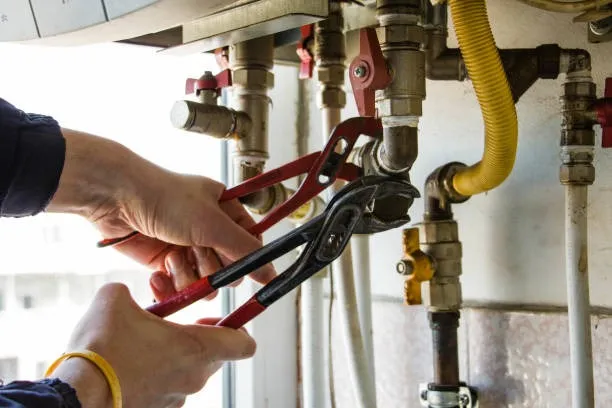
When to Replace vs Repair
Deciding between repair and replacement depends on age, the nature of the problem, and your long term goals.
Common signs that replacement is the better option:
- Age over 10 to 15 years for traditional tank models. Older tanks lose efficiency and are more likely to fail catastrophically.
- Frequent repairs or rising repair costs that approach the cost of a new unit.
- Rusty or discolored water indicating internal corrosion.
- Persistent leaks from tank seams or fittings that cannot be stopped with a simple part replacement.
- Inadequate capacity for household demand despite repairs.
- High energy bills tied to an inefficient heater.
- Sediment buildup causing noisy operation and poor performance when flushing does not restore function.
Repair is reasonable when:
- The issue is a single replaceable component such as a thermostat, heating element, or pressure relief valve.
- The unit is relatively new and under warranty.
- You plan to stay short term in the home and the system is otherwise healthy.
How a Professional Evaluation Works
A thorough evaluation focuses on safety, remaining useful life, and economics.
Typical evaluation steps:
- Visual inspection for corrosion, leaks, and venting condition.
- Check age and service history.
- Test performance - temperature, recovery rate, and pressure relief operation.
- Inspect sacrificial anode and internal condition if accessible.
- Assess combustion and venting on gas units for draft and carbon monoxide risk.
- Evaluate home needs - family size, peak usage, and future plans.
- Provide clear recommendation: repair, partial component replacement, or full replacement with comparative options.
In Pickerington, local water hardness and seasonal demands are considered because mineral buildup shortens tank life and reduces efficiency.
Replacement Options and Upgrades
When replacing, homeowners can choose from several technologies. Each has tradeoffs for efficiency, installation complexity, and suitability for local homes.
- Standard tank water heaters (gas or electric)
- Easier, lower complexity installation if swapping like-for-like.
- Best for households needing predictable storage capacity.
- High-efficiency gas condensing tanks
- Better efficiency than older gas models.
- Require proper venting and condensate disposal.
- Tankless (on-demand) water heaters
- Provide continuous hot water and smaller footprint.
- Higher upfront cost and may require upgraded gas lines or electrical.
- Excellent for energy savings in homes with variable hot water use.
- Heat pump (hybrid) water heaters
- Highly efficient in moderate to warm spaces.
- Require space with sufficient air volume and may not be ideal for unconditioned garages during cold Ohio winters without supplemental heating.
- Point-of-use units
- Useful for localized needs like bathrooms or new additions.
Selecting the best option considers your home layout, existing utilities, and how much you value energy savings over upfront cost.
Cost Comparisons and Economic Considerations
Instead of exact price figures, evaluate by these factors:
- Upfront purchase and installation complexity - conversions (electric to gas or vice versa, or tank to tankless) raise installation scope and cost.
- Operating cost - high-efficiency and tankless systems typically reduce monthly energy bills, more so with gas appliances where local energy prices favor gas.
- Lifespan and maintenance - tankless and heat pump models often last longer with proper maintenance.
- Incentives - federal or local incentives may exist for high-efficiency equipment; check local programs.
A lifecycle view often shows that higher initial investment in efficient technologies pays back over several years through lower utility bills and fewer repairs.
Removal and Safe Disposal
Proper removal protects your home and the environment.
Key disposal steps:
- Disconnect power and utilities safely.
- Drain the tank and remove residual water responsibly to avoid interior flooding.
- Safely cap gas lines or electrical connections per code.
- Recycle or dispose of the old unit in accordance with local Pickerington and Fairfield/Franklin County regulations, including handling refrigerants if applicable.
- Document disposal for code compliance when permits are involved.
Installation Process and Typical Timelines
Typical installation workflow:
- Permitting and inspection scheduling when required by local code.
- Pre-installation site assessment and any prep work (venting, gas line, electrical).
- Removal of old unit.
- Installation of new unit, including updated venting, piping, electrical or gas connections, and safety devices like expansion tanks.
- System testing, temperature regulation, combustion analysis for gas models, and leak checks.
- Final inspection if required.
Timelines:
- Like-for-like tank replacement: often a single day (4 to 8 hours).
- Conversion to tankless or heat pump, or significant home updates: may take 1 to 3 days depending on required permits and electrical or gas upgrades.
Warranties and What They Cover
Understand two warranty types:
- Manufacturer warranty covering parts and tank failures for a defined period.
- Workmanship or installation warranty covering labor and installation-related issues.
Verify what voids a warranty, such as improper installation, lack of maintenance, or use of noncompatible components.
Home Updates to Anticipate
Common updates needed for replacements in Pickerington homes:
- Venting upgrades for newer high-efficiency or condensing units.
- Gas line sizing or shutoff improvements for tankless systems.
- Electrical upgrades including dedicated circuits or higher amperage for electric or hybrid systems.
- Condensate drains for condensing units.
- Expansion tanks for closed domestic water systems, commonly required by local code.
- Water treatment such as a softener or inline filter if hard water is present to extend equipment life.
Expected Efficiency and Reliability Benefits for Pickerington Homes
Replacing an old, inefficient water heater typically yields:
- More consistent hot water at set temperatures.
- Lower energy costs when moving to high-efficiency or on-demand systems.
- Reduced risk of emergency flood damage from leaking tanks.
- Improved reliability and longer service life with modern materials and controls.
- Better suitability for modern appliances and household demands.
Given Pickerington climate and water conditions, selecting the right system and addressing water quality will maximize performance and lifespan. A professional assessment tailored to your home will clarify the best path forward, ensuring safety, compliance with local codes, and the long term comfort of your household.
Hot Deals & Cool Savings

.webp)
New Service Agreement Membership
.webp)
Any New Client Service
Next Service for Referring a New Client
New Service Agreement Membership
Any New Client Service
Next Service for Referring a New Client
.webp)
.webp)

Service Areas
