
Water Heater Repair in Pickerington, OH
Water Heater Repair in Pickerington, OH delivers fast, reliable diagnostics and repairs. Schedule service today to restore hot water quickly.

Water Heater Repair in Pickerington, OH
When your water heater fails, it disrupts daily routines quickly. Water Heater Repair in Pickerington, OH specializes in diagnosing and fixing the full range of problems homeowners face, from no hot water to persistent leaks. Living in Pickerington means your system works harder during cold Ohio winters and can suffer from mineral buildup common in the region.
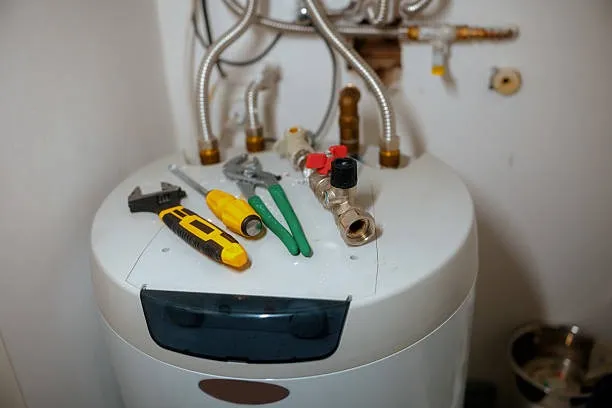
Common water heater problems in Pickerington homes
Homeowners in Pickerington often report these symptoms. Each points to distinct causes and repair approaches.
- No hot water
- Possible causes: failed thermostat, broken heating element (electric), faulty gas control valve or pilot/ignition failure (gas), or tripped high-limit switch.
- Insufficient or fluctuating hot water
- Possible causes: sediment build-up in the tank (reduces effective volume), failing dip tube, undersized unit for household demand, or failing elements/thermostats.
- Leaks around the tank or fittings
- Possible causes: loose plumbing connections, failed pressure relief valve, a corroded tank, or leaking drain valve.
- Strange noises (popping, rumbling, banging)
- Likely cause: mineral and sediment accumulation on the tank bottom creating steam pockets; common in areas with hard water.
- Pilot light, ignition, or burner issues (gas units)
- Possible causes: faulty thermocouple, clogged burner, faulty gas valve, or control module problems.
- Thermostat or heating element failures (electric units)
- Symptoms include partial heating, uneven temperatures, or no heat at all.
How diagnostics are performed
Technicians follow systematic diagnostic steps to identify root causes and avoid unnecessary repairs.
Visual and safety assessment
- Inspect for leaks, corrosion, signs of past repairs, and ensure proper ventilation (gas units).
Check supply and electrical/gas connections
- Verify breakers, fuses, gas supply, and pilot/ignition systems.
Measure temperatures and pressures
- Read thermostat settings and water temperature at taps to confirm symptoms.
Test components
- Use meters to test heating elements, thermostats, pressure relief valves, and gas controls.
Evaluate tank condition
- Check for internal corrosion, scale buildup, and anode rod condition (if accessible).
Recommend repair or replacement
- Based on age, condition, and repair cost vs. replacement value, a qualified recommendation is provided.
Typical repairs and commonly replaced parts
Most repairs fall into a set of predictable categories. Replacing worn parts with OEM or equivalent components extends system life.
- Electric elements and thermostats
- Anode rod replacement to reduce corrosion
- Dip tube replacement for cold water delivery problems
- Pressure relief valve and drain valve replacement
- Thermocouple, gas control valve, igniter, or pilot assembly for gas units
- Tankless ignition modules, sensors, or heat exchanger cleaning for tankless systems
- Full tank replacement for severe corrosion, leaks, or failed internal lining
Repair process and timelines
Repair procedures are designed to be efficient while prioritizing safety and code compliance.
- Minor component replacements (thermostat, element, valves): typically 1 to 2 hours.
- Anode rod or dip tube replacement: typically 1 to 2 hours.
- Gas control valve or ignition system repairs: 1 to 3 hours depending on access and diagnostic work.
- Sediment flushing and maintenance: 30 minutes to 1 hour.
- Tank replacement (including removal and installation): typically 3 to 6 hours, depending on complexity, venting, and modifications needed.
- Tankless repairs or repairs to complex systems: 2 to 4 hours, potentially longer if replacement parts are required.
Estimated timelines help plan around the repair window but can vary with parts availability, home access, and local code requirements in Pickerington.
Emergency repair availability and winter considerations
Ohio winters increase the likelihood of urgent failures and freeze-related damage. Emergency water heater repair services are commonly available for situations that threaten property (active leaks) or basic function (no hot water in freezing weather).
- Common winter emergencies: burst supply lines, frozen or ruptured tanks, complete loss of hot water during peak heating demand.
- Rapid response prioritizes safety: gas smell, active leaks, and electrical hazards are assessed and mitigated first.
Technician qualifications and safety standards
Quality water heater repair relies on licensed and experienced technicians who follow local codes and safety practices.
- Proper licensing: plumbers and gas technicians should hold state or local licenses required for plumbing and gas work in Ohio.
- Training and certifications: factory training for specific brands, continuing education on modern tankless systems, and competency with electrical and gas controls.
- Insurance and code compliance: liability insurance and adherence to local building codes and manufacturer guidelines ensure safe, compliant repairs.
- Documentation: technicians should provide a clear description of work performed and parts used, including whether OEM parts were installed.
Warranty coverage and how repairs affect it
Understanding warranty implications helps protect long-term value.
- Manufacturer warranties vary by model and part: tanks, heating elements, and heat exchangers may have different coverage lengths (common ranges vary by manufacturer).
- Repairs can affect warranty status: unauthorized or improper repairs may void manufacturer warranties; using OEM parts helps maintain coverage.
- Service warranties: many repair services offer limited labor warranties on repairs; these vary by provider and repair type.
Maintenance tips to prevent breakdowns in Pickerington homes
Routine maintenance is the most cost-effective way to extend water heater life and reduce emergency repairs.
- Annual flush to remove sediment, especially important in areas with hard water.
- Inspect and replace the anode rod every 3 to 5 years, or sooner if heavily corroded.
- Test the pressure relief valve annually to ensure it operates freely.
- Keep temperature set at 120 degrees Fahrenheit to balance safety, energy use, and scale buildup.
- Insulate accessible hot water pipes and consider insulating the tank in unheated spaces to reduce heat loss.
- For gas units, ensure proper venting and periodic burner cleaning to maintain efficient combustion.
- If your home has hard water, consider a water softener or scale inhibitor to reduce sediment and extend equipment life.
- Schedule an annual inspection with a qualified technician, ideally before winter to catch issues before the cold season increases demand.
Why timely repair matters for Pickerington homeowners
Prompt, expert repair reduces the risk of water damage, increases efficiency, and helps avoid complete system replacement. In Pickerington’s climate, preventing freeze damage and minimizing sediment-related failures are common priorities. Addressing small issues early preserves hot water availability during peak seasons and protects your home from costly consequences.
Hot Deals & Cool Savings

.webp)
New Service Agreement Membership
.webp)
Any New Client Service
Next Service for Referring a New Client
New Service Agreement Membership
Any New Client Service
Next Service for Referring a New Client
.webp)
.webp)

Service Areas
