
Water Heater Replacement in New Albany, OH
New Albany water heater replacement and installation services to improve efficiency and reliability. Contact us for a fast assessment and schedule your service today.

Water Heater Replacement in New Albany, OH
Replacing a water heater is a significant home investment that affects comfort, energy bills, and long-term reliability. If your New Albany, OH home is showing signs of age, leaks, poor hot water delivery, or rising utility costs, a professional water heater replacement in New Albany, OH can restore consistent performance while improving energy efficiency and safety. Below is a clear, decision-focused guide to when to replace, what options to choose, the replacement process, cost factors, lifecycle improvements, and local considerations for New Albany homeowners.
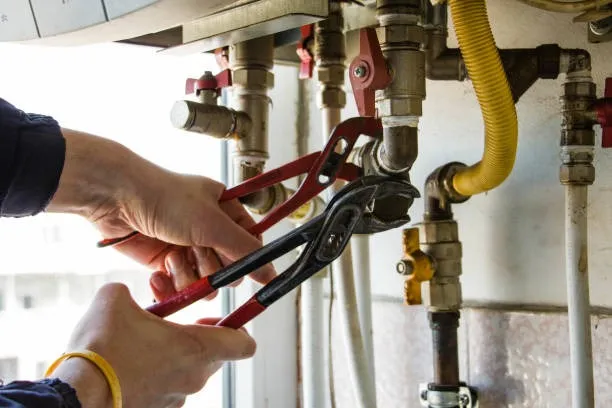
When replacement is recommended
Consider replacement when one or more of the following apply:
- Age: Traditional storage tanks typically last 8–12 years; tankless systems often last 15–20 years. If your unit is in the upper range, replacement is prudent.
- Repeated failures: Frequent repairs (heating element, thermostat, pilot issues, or leaking valves) signal diminishing returns on repairs.
- Leaking tank: Any active tank leak usually means full replacement is necessary—internal corrosion is often advanced.
- Poor efficiency or high bills: Noticeable increases in energy use or less hot water despite repairs suggest older technology and standby losses.
- Rusty or discolored water: Internal corrosion affecting water quality indicates a failing tank.
- Insufficient capacity: Growing household needs—additional bathrooms or appliances—may require a larger capacity or a different system type.
Replacement options and upgrades
New Albany homeowners can choose from several reliable options depending on fuel type, space, and efficiency goals:
- Standard high-efficiency storage tanks
- Improved insulation and higher recovery rates.
- Good for households wanting simple, familiar systems.
- High-efficiency gas or electric tanks
- Better energy factors than older models; reduced standby loss.
- Often eligible for utility rebates or tax incentives.
- Tankless (on-demand) water heaters
- Provide continuous hot water, longer lifespan, and often lower operating costs.
- Require higher upfront investment and potential gas line or electrical upgrades.
- Hybrid (heat pump) water heaters
- Very high energy efficiency in moderate climates; best where space and ambient temps are suitable.
- Capacity upgrades
- Larger gallon tanks or multiple-point tankless setups for homes with multiple simultaneous demands.
- Water treatment and anti-corrosion options
- Pre-treatment or water softening to reduce sediment and prolong system life—valuable in central Ohio’s moderately hard water.
Clear replacement process
A predictable, professional replacement follows these steps:
Assessment and recommendation
- Inspect current unit, plumbing, venting, gas/electrical service, and household hot water needs.
- Provide option comparison (capacity, fuel, efficiency, lifecycle).
Permits and planning
- Confirm necessary local permits and code requirements in New Albany and Franklin County.
- Plan for venting, combustion air, seismic strapping (if applicable), and disposal.
Removal of old unit
- Safely disconnect utilities, drain and flush the system, and remove the old tank or unit.
- Proper disposal or recycling per local regulations.
Installation of new system
- Mount and connect water, gas, or electrical lines; install venting or condensate lines as required.
- Add required safety devices: pressure relief valves, seismic straps, expansion tanks for closed systems.
Startup, testing, and tuning
- Pressure tests, combustion checks (for gas), electrical connections, and thermostatic settings.
- Flush lines to remove debris; verify hot water at fixtures.
Owner orientation and documentation
- Explain operation, maintenance needs, warranty registration, and service schedule.
Typical timelines: assessment often same day to a few days; standard tank removal and replacement commonly completed in a half to full day; tankless or systems requiring gas/electrical upgrades may take 1–2 days.
Cost breakdown and lifecycle improvements
Cost is determined by several components; understanding each helps make an informed choice:
- Unit cost: Varies by type (tank vs tankless), capacity, and efficiency rating.
- Labor and installation complexity: Venting, location, access, and required upgrades (gas line sizing, electrical service, or new venting) increase labor time.
- Permits and inspections: Local fees and inspection scheduling.
- Disposal and recycling: Proper removal and recycling of the old unit.
- Upgrades and accessories: Expansion tanks, water treatment, condensation drains, or new piping.
Lifecycle and savings expectations:
- Replacing an aged tank with a high-efficiency tank typically reduces energy use by 10–20% depending on household patterns.
- Converting to a tankless or heat-pump system can yield 20–40% operational savings over time in many scenarios, with longer equipment life and reduced replacement frequency.
- Proper sizing and water treatment lengthen system life and maintain efficiency gains.
Environmental and energy considerations
New Albany homeowners benefit from modern systems that reduce greenhouse gas emissions and energy demand:
- Reduced standby heat loss with high-efficiency tanks and no standby loss with tankless systems.
- Lower fuel consumption cuts household carbon footprint and can help meet local sustainability goals.
- Water-saving features and proper sizing reduce unnecessary water heating and waste.
- Consider combining replacement with insulation of hot water lines, low-flow fixtures, or smart thermostatic controls to maximize savings.
Warranty and disposal practices
- Warranties: Typical manufacturer warranties range widely—storage tanks often 6–12 years on the tank or parts, while tankless units can have longer heat exchanger warranties (often 10–15 years). Confirm coverage specifics and registration requirements.
- Workmanship guarantees: Look for clear documentation of installation warranties covering labor and code compliance.
- Disposal: Proper recycling of steel tanks and safe handling of components (insulation, gas lines, electronic controls) is standard practice. Local regulations in New Albany determine recycling options and landfill restrictions.
Scheduling and financing information
- Scheduling: Expect assessment appointments within days and installations within a timeframe that accounts for permits and parts availability. Emergency or same-day replacement may be required for active leaks or total failures.
- Financing options: Many homeowners use manufacturer financing, home improvement loans, or energy-efficiency financing programs. Utility or state incentives, seasonal rebates, and tax credits for qualifying high-efficiency systems can reduce upfront cost—verify eligibility and application timing before purchase.
- Planning for upgrades: If gas, venting, or electrical upgrades are necessary, budget extra time for inspections and possible utility coordination.
Replacing your water heater in New Albany, OH, is both a comfort and efficiency decision. By assessing unit condition, selecting the right system for household demand, and accounting for local code and climate factors—especially Ohio winters and water hardness—you can achieve reliable hot water, lower operating costs, and longer-term peace of mind.
Hot Deals & Cool Savings

.webp)
New Service Agreement Membership
.webp)
Any New Client Service
Next Service for Referring a New Client
New Service Agreement Membership
Any New Client Service
Next Service for Referring a New Client
.webp)
.webp)

Service Areas
