
Water Heater Repair in New Albany, OH
Water heater repair in New Albany, OH covers common problems, diagnostics, repairs, timelines, warranties, and maintenance, learn more about repair versus replacement.

Water Heater Repair in New Albany, OH
A working water heater is essential for comfort and daily routines in New Albany homes. When you face no hot water, fluctuating temperatures, leaks, or strange noises, you need a clear diagnosis and reliable repairs tailored to local conditions.
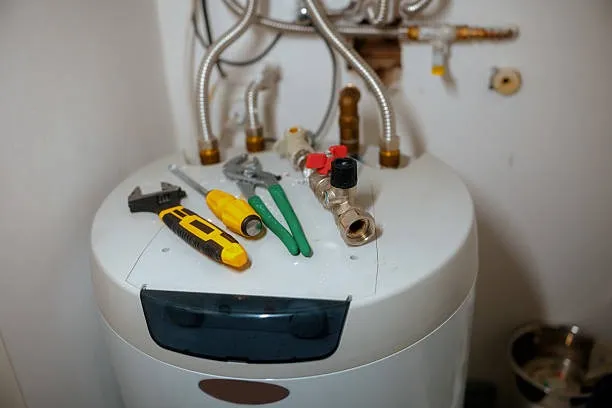
Common water heater problems in New Albany, OH
Many issues are common across residential systems, but local factors like cold winters and moderately hard Central Ohio water can increase wear and sediment buildup.
- No hot water or limited hot water
- Inconsistent temperatures or rapid temperature changes
- Visible leaks around the tank, valves, or pipe connections
- Unusual noises (popping, banging) from the tank
- Pilot light or ignition failures on gas units
- Slow recovery time after heavy hot water use
- Rusty or discolored water
Why these problems occur here
- Hard water and mineral buildup: Central Ohio water hardness contributes to sediment collecting in tank units, reducing efficiency and causing noises and element failure.
- Seasonal demand swings: Cold months increase hot water usage, exposing weak components or inadequate capacity.
- Corrosion and worn parts: Anode rods, dip tubes, thermostats, heating elements, and valves degrade over time in any climate.
On-site diagnostic and troubleshooting process
Technicians follow a systematic approach to identify the root cause before recommending repairs:
- Visual inspection: Check for obvious leaks, corrosion, and condition of fittings and valves.
- Operational tests: Verify thermostat settings, measure outlet temperatures, and observe recovery rates.
- Safety checks: Inspect pressure relief valve, combustion components (gas units), and venting.
- Component testing: Test heating elements or ignition systems, and evaluate the dip tube and anode rod condition.
- Water quality check: Assess sediment and mineral buildup that can affect performance.
A thorough diagnosis prevents unnecessary part replacements and helps determine whether repair or replacement is the most cost-effective choice.
Typical repairs and parts replaced
Common parts that fail or require replacement include:
- Heating elements (electric): Replace when burned out or scaled
- Thermostats and temperature sensors: Replace for consistent temperature control
- Pressure relief valves and drain valves: Replace when leaking or stuck
- Dip tubes: Replace if broken or degraded (causes cold water layering)
- Anode rods: Replace to reduce tank corrosion and extend tank life
- Pilot assemblies and ignition modules (gas units): Repair or replace ignition failures
- Gas control valves and thermostatic control valves: Replace if malfunctioning
- Tank repairs vs replacement: Minor weld or fitting repairs may be possible, but significant tank corrosion usually means replacement is safer and more economical
Estimated repair timelines and costs
Times and costs vary by issue and unit type (tank vs tankless, gas vs electric). Estimates below are typical ranges for New Albany area service jobs:
- Diagnostic inspection: 30 to 90 minutes
- Heating element replacement (electric): 1 to 2 hours; parts and labor typically $150 to $350
- Thermostat replacement: 1 hour; $100 to $250
- Dip tube replacement: 1 to 3 hours; $150 to $400
- Pressure relief or drain valve replacement: 30 minutes to 1 hour; $100 to $300
- Pilot or ignition repair (gas): 30 minutes to 2 hours; $120 to $350
- Leak repair (minor fitting): 30 minutes to 2 hours; $100 to $500
- Full tank replacement: 3 to 6 hours; replacement costs vary widely depending on capacity and model, often several hundred to a few thousand dollars
These are general ranges intended to guide decision-making. Factors such as parts availability, age and accessibility of the unit, and whether sediment removal is needed will affect time and cost.
Emergency and after-hours considerations
Water heater failures can happen outside business hours. Emergency priorities include:
- Stopping active leaks to prevent water damage
- Shutting off gas supply for suspected gas leaks or ignition failures
- Restoring hot water when possible for health and safety needsEmergency response options commonly include after-hours diagnostics and temporary fixes until permanent repairs can be completed. In winter, fast response is critical to avoid frozen pipes and loss of essential hot water.
Warranty and parts information
- Manufacturer warranties: Many water heaters carry manufacturer warranties on tanks and specific components (tank warranties often range from a few years to 10 years depending on model).
- Parts warranties: Replacement parts typically have manufacturer warranties that can range from 1 year to several years, depending on the component.
- Labor warranties: Service labor warranties vary; common ranges are 30 to 365 days on workmanship.When planning repairs, confirm the warranty status of existing equipment and request warranty details for any replacement parts.
Preventative maintenance tips for New Albany homes
Regular maintenance reduces emergency repairs and extends unit life:
- Annual flush: Drain and flush the tank yearly to remove sediment and improve efficiency.
- Inspect and test the pressure relief valve annually.
- Check and replace the anode rod every 2 to 5 years depending on water quality.
- Insulate hot water pipes and the tank (if recommended) to reduce heat loss and lower demand on the unit.
- Set thermostat to 120 F for safety and energy savings unless a higher setting is required.
- Consider a water softener if hard water is causing frequent sediment or scale issues.
Frequently asked questions (FAQs)
Q: Can my existing water heater be repaired, or does it need replacement?
A: Repair is often viable for single-part failures (elements, thermostats, valves). If the tank itself is corroded, leaks extensively, or the unit is near the end of its expected life (8-12 years for many tanks), replacement is usually more cost-effective.
Q: How long will a typical repair take?
A: Most component repairs are completed within 1 to 3 hours on-site. Complex issues or major tank replacement can take a half day to a full day.
Q: Will sediment cause my water heater to fail?
A: Yes. Sediment from hard water reduces efficiency, causes popping noises, and accelerates element and tank wear. Regular flushing helps prevent these problems.
Q: Are tankless units better for our area?
A: Tankless units provide on-demand hot water and can save space, but they require higher upfront cost and different maintenance (scale management is critical in hard water areas). Evaluate usage patterns and long-term costs when choosing between tank and tankless.
Q: How often should I schedule maintenance?
A: Annual inspections and flushes are recommended for most New Albany homes to maintain performance and identify issues early.
Hot Deals & Cool Savings

.webp)
New Service Agreement Membership
.webp)
Any New Client Service
Next Service for Referring a New Client
New Service Agreement Membership
Any New Client Service
Next Service for Referring a New Client
.webp)
.webp)

Service Areas
