
Water Heater Replacement in Minerva Park, OH
Replace your aging water heater in Minerva Park, OH with expert installation and reliable service. Learn more and schedule a precise assessment today.

Water Heater Replacement in Minerva Park, OH
Choosing the right time and the right system for water heater replacement in Minerva Park, OH makes a big difference in reliability, energy cost, and long-term comfort. With cold Ohio winters, aging plumbing, and local water quality factors, replacing an inefficient or failing water heater is often the best move to avoid emergency failures, freezing risks, and escalating repair bills.
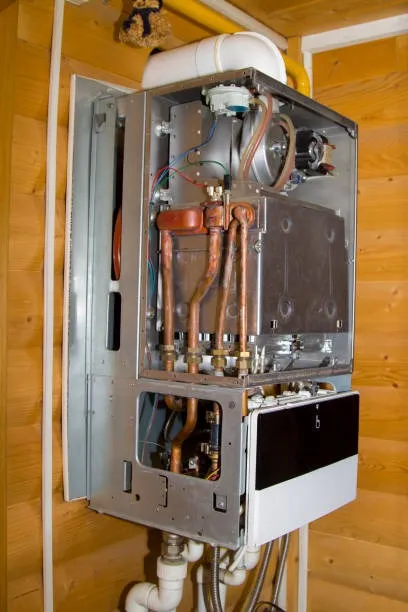
When to Replace vs Repair
Deciding whether to repair or replace depends on age, condition, and cost-effectiveness. Consider replacement when one or more of these apply:
- The water heater is beyond its expected lifespan (see lifespan chart below).
- Repeated breakdowns or increasingly frequent repairs.
- Visible rust, corrosion, or a leaking tank.
- Significant sediment buildup causing noise, reduced hot water, or lower efficiency.
- Rising energy bills or insufficient hot water despite repairs.
- Safety concerns such as gas smells, pilot instability, or water on the floor near the unit.
If the unit is under warranty and the issue is isolated (thermostat, heating element, valve), repair may be appropriate. When multiple components are failing or the unit is older than its typical service life, replacement is usually the more economical and reliable option.
Common Water Heater Failure Causes in Minerva Park, OH
Minerva Park’s climate and regional water conditions influence how water heaters age:
- Hard water and mineral buildup common in Central Ohio accelerate sediment accumulation and corrosion.
- Cold winters increase demand for hot water and recovery time, stressing older systems.
- Older homes may have undersized venting or outdated installation practices that lead to premature failure.
- Lack of regular maintenance (flushing, anode checks) shortens tank life.
Replacement Options Compared
Choosing the right replacement depends on household size, usage patterns, space constraints, and long-term goals for efficiency.
- Standard Tank Water Heaters
- Description: Conventional storage tanks holding 30–80 gallons.
- Pros: Lower upfront cost, simple installation, familiar technology.
- Cons: Higher standby heat loss, shorter lifespan.
- Best for: Budget-sensitive replacements or homes with straightforward installation locations.
- High-Efficiency Storage Tanks (including condensing and improved-insulation models)
- Description: Enhanced tanks with better insulation, higher energy factor, or condensing technology for gas models. Heat pump water heaters are another high-efficiency storage option.
- Pros: Lower operating costs than standard tanks, improved recovery, potential eligibility for rebates.
- Cons: Higher initial cost, may require more space or specific venting/electrical.
- Best for: Homeowners who want improved efficiency without changing plumbing layout.
- Tankless (On-Demand) Water Heaters
- Description: Heats water as needed; no storage tank. Rated by flow (GPM).
- Pros: Longer lifespan, lower standby loss, smaller footprint, continuous hot water with properly sized unit.
- Cons: Higher installation cost, may require larger gas line or upgraded electrical, performance affected by peak simultaneous demands.
- Best for: Smaller homes, long-term efficiency goals, and homeowners planning to reduce energy use.
Removal and Disposal of the Old Unit
Replacing a water heater involves safe removal and proper disposal:
- Shut off power (electric) or gas and water supply.
- Drain the tank and disconnect plumbing, venting, and electrical/gas connections.
- Remove the unit and transport it to an authorized recycling or disposal facility; many parts are recyclable.
- Observe local Minerva Park/Franklin County disposal regulations for appliances and refrigerant-containing units (heat pump systems).
- Cap or safely seal unused gas lines and ensure electrical disconnections meet code.
Licensed professionals usually handle permits and disposal to ensure compliance with Ohio code and safe removal of gas or refrigerant components.
Replacement and Installation Process
A typical replacement follows these steps:
- Site evaluation and load analysis to determine appropriate capacity or GPM for tankless systems.
- Permit application and scheduling of required inspections per local code.
- Preparation: disconnect and remove old unit, inspect plumbing and venting, and address required updates (pressure relief valve, expansion tank, venting upgrades).
- Installation of the new unit: secure placement, connect water lines, gas or electrical connections, venting, and install required safety devices.
- Commissioning: fill, purge air, test for leaks, verify combustion/venting (for gas), and set controls.
- Final inspection and paperwork for warranties and permits.
- Owner orientation on operation and maintenance basics.
Proper sizing, venting, and code-compliant installation are essential in Minerva Park where winter performance and freeze protection are priorities.
Cost and Lifespan Comparison
Rather than specific prices, compare expected lifespans and long-term costs:
- Standard tanks: typical lifespan 8–12 years; moderate initial cost but higher operating costs over time.
- High-efficiency tanks/heat pump tanks: 10–15 years; higher upfront cost but lower operating expenses, particularly in moderate climates or with well-insulated spaces. Heat pump models are sensitive to ambient temperature and may perform best in conditioned spaces.
- Tankless: 15–25+ years with proper maintenance; lower operating costs due to no standby losses but higher initial installation complexity and potential retrofit expenses.
When evaluating total cost of ownership, consider energy savings, possible utility incentives, and the remaining useful life of the current unit.
Rebates, Incentives, and Permits
Energy programs at the federal, state, and local level often provide incentives for high-efficiency water heaters, heat pump systems, and certain tankless models. Utility rebate programs in the Columbus area and state-level energy efficiency initiatives may reduce net cost for qualifying equipment. Heat pump water heaters and ENERGY STAR rated models are commonly eligible for these programs. Always confirm current availability and eligibility, and plan for required permits and inspections under Ohio and Franklin County codes.
Warranty and Maintenance Plans
Understanding warranties and maintaining your new water heater preserves performance:
- Manufacturer warranties vary by model and component—tanks often have 6–12 year warranties; major components on high-efficiency or tankless systems may carry longer coverage for heat exchangers or compressors.
- Typical maintenance recommendations:
- Annual inspection and flushing for tanks to remove sediment.
- Anode rod inspection and replacement every 3–5 years for tank models in hard water.
- Annual descaling for tankless units in areas with hard water.
- Check temperature/pressure relief valve and expansion tank yearly.
- Keep combustion areas clear and verify venting and seals seasonally.
Maintenance plans that include annual service, priority diagnostics, and parts discounts can extend operating life and preserve warranty eligibility. Properly documented maintenance may be required for some warranty claims.
Why timely replacement matters in Minerva ParkReplacing an aging or failing water heater before a catastrophic leak, freeze-related rupture, or midwinter failure reduces property damage risk, improves energy efficiency, and increases household comfort during cold months. Considering Minerva Park’s climate and local water conditions, choosing the right system and keeping up with maintenance will deliver reliable hot water, better efficiency, and fewer emergency repairs over the long term.
Hot Deals & Cool Savings

.webp)
New Service Agreement Membership
.webp)
Any New Client Service
Next Service for Referring a New Client
New Service Agreement Membership
Any New Client Service
Next Service for Referring a New Client
.webp)
.webp)

Service Areas
