
Tankless Water Heater in Minerva Park, OH
Tankless water heater installation in Minerva Park, OH: sizing, installation needs, maintenance tips, and cost benefits to help you decide.

Tankless Water Heater in Minerva Park, OH
Switching to a tankless water heater in Minerva Park, OH means upgrading to on-demand hot water, improved energy efficiency, and a system that often lasts longer than traditional tank models. For homeowners in Minerva Park, seasonal temperature swings, cold winters, and moderately hard water are important factors when choosing, sizing, and maintaining a tankless system.
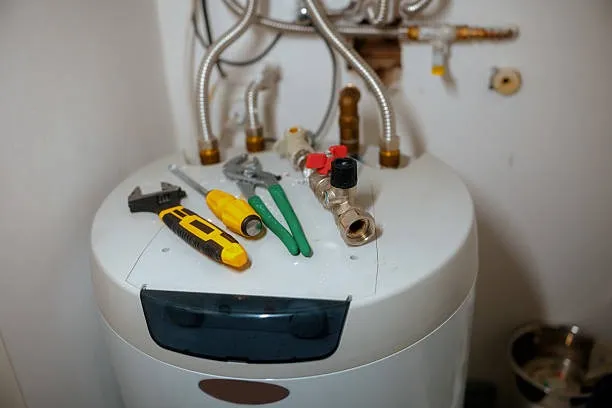
Why consider a tankless water heater in Minerva Park, OH
- On-demand hot water whenever you need it, eliminating standby heat loss from storage tanks.
- Lower energy use for many households because the unit heats only when in use.
- Longer expected lifespan compared with traditional tank heaters when properly maintained.
- Smaller footprint that frees up basement or utility closet space in compact Minerva Park homes.
- Reduced risk of catastrophic tank leaks that can cause water damage.
These advantages are particularly relevant in Minerva Park because colder incoming groundwater in winter increases the work required to heat water. Tankless units sized and installed correctly can still deliver consistent hot water year round with better efficiency than older tank systems.
Common tankless water heater issues in Minerva Park, OH
Homeowners searching for "common tankless water heater issues in Minerva Park, OH" typically encounter:
- Mineral buildup and scale from hard water leading to reduced flow and heat exchanger damage.
- Cold water sandwich or temperature fluctuations during low-flow/high-demand sequences.
- Insufficient flow rates when multiple fixtures run simultaneously.
- Ignition or burner problems on gas units due to venting, gas pressure, or failing components.
- Electrical issues on electric units such as tripped breakers or insufficient circuit capacity.
- Condensate or venting corrosion in improperly installed systems, especially in older homes retrofitting a gas unit.
Understanding these common problems helps set realistic expectations for maintenance and repair needs in the local climate.
Electric vs gas tankless water heaters — which fits your Minerva Park home?
Electric and gas tankless units each have pros and cons. Key differences for Minerva Park, OH homes:
Electric tankless
- Easier installation where adequate electrical service is available.
- Quieter operation and no flue venting required.
- Lower upfront cost for units in some cases but may require substantial electrical panel and wiring upgrades for whole-house capacity.
- Performance can be limited in very cold groundwater conditions unless sized conservatively or supplemented.
Gas tankless
- Typically higher flow rates and better recovery in cold climates because gas burners provide more immediate heat.
- Requires proper venting and gas line capacity; venting may be direct-vent or power-vent depending on model.
- More complex installation but often the better option for larger households in Minerva Park with multiple simultaneous hot water demands.
Choosing between electric and gas depends on household size, existing utilities, and whether your home’s electrical panel or gas service will need upgrades.
Sizing guidance based on household demand
Correct sizing is critical to avoid disappointment. Sizing follows two main factors: peak hot water demand and incoming groundwater temperature. For Minerva Park, expect colder incoming water in winter requiring higher temperature rise.
Steps to estimate:
- Calculate peak simultaneous demand by adding fixture flow rates likely to operate together (shower 1.5 to 2.5 GPM, dishwasher 1–2 GPM, etc.).
- Determine required temperature rise: desired output temperature minus incoming groundwater temperature (Minerva Park winter groundwater can be in the mid 40s F).
- Match flow rate and temperature rise to manufacturer performance charts.
Common household scenarios:
- 1 to 2 people, low simultaneous demand: small unit with lower GPM capacity may suffice.
- 3 to 4 people, typical family: mid-range unit sized for 6 to 8 GPM at necessary temperature rise.
- Larger homes or frequent simultaneous use: higher-capacity gas unit or multiple units in parallel may be required.
Installation requirements and considerations
Tankless water heater installation in Minerva Park often involves more than simple replacement:
- Venting: Gas units require proper venting to the outdoors. Condensing units need corrosion-resistant condensate management.
- Gas line upgrades: High-capacity units may need larger gas supply lines and updated meters.
- Electrical upgrades: Electric units can require multiple high-amperage circuits and a larger service panel.
- Water quality: Hard water calls for pre-treatment such as water softening or a scale prevention system to protect the heat exchanger.
- Location and clearance: Units must be placed where maintenance access, vent terminations, and condensate drainage can be safely managed.
- Permitting and code compliance: Local building codes in Minerva Park require permitted installations and proper inspections for gas and electrical work.
Anticipate potential additional work when retrofitting a tankless system in older Minerva Park homes.
Typical maintenance needs
Regular maintenance keeps a tankless water heater running efficiently and extends its lifespan:
- Descaling or flushing once per year (more frequently in hard water areas) to remove mineral buildup.
- Checking and cleaning the inlet screen filter and aerators.
- Inspecting venting, condensate lines, and combustion components on gas models.
- Verifying electrical connections and control settings on electric units.
- Monitoring error codes and addressing them promptly.
With proper annual service, tankless units can deliver reliable performance for many years.
Common troubleshooting and repairs
Typical service calls in Minerva Park include:
- Low hot water flow: Often caused by scale or clogged inlet filter.
- Temperature fluctuations: Can stem from incorrect flow settings, scale, or undersized unit.
- Ignition failure or burner lockouts on gas units: Check venting, gas pressure, or flame sensors.
- Tripped breakers or electrical faults on electric units: May indicate overload or wiring issues.
- Leak detection: While tankless units have fewer catastrophic leaks, connections, pressure relief valves, and condensate drains can leak and require repair.
Technicians generally diagnose with flow measurements, temperature rise checks, and inspection of venting and fuel supply.
Cost and ROI comparison versus traditional tanks
Upfront costs for tankless systems are typically higher than standard tank water heaters due to equipment price and potential installation upgrades. However, lifetime costs often favor tankless systems for many homeowners because:
- Energy savings from on-demand heating reduce operating costs.
- Longer operational lifespan reduces replacement frequency.
- Lower risk of large-scale water damage from tank failure.
Calculate ROI by accounting for your household hot water usage patterns, local energy costs, expected maintenance, and potential upgrades required for your Minerva Park home. Homes with high hot water demand or frequent long-term occupancy generally see the strongest financial benefit.
Is a tankless water heater suitable for your Minerva Park home?
A tankless water heater is a strong option if:
- You want continuous hot water and improved energy efficiency.
- Your household has moderate to high hot water demand and you can size a unit appropriately.
- You are prepared to address hard water with treatment to protect the unit.
- Your home can accommodate venting or electrical/gas upgrades if needed.
A tankless system may be less ideal if:
- Your home cannot economically support the electrical or gas upgrades required.
- You have very low peak demand and simple tank replacement is more cost effective.
- You prefer the simplicity of a tank in rare-use properties.
Hot Deals & Cool Savings

.webp)
New Service Agreement Membership
.webp)
Any New Client Service
Next Service for Referring a New Client
New Service Agreement Membership
Any New Client Service
Next Service for Referring a New Client
.webp)
.webp)

Service Areas
