
Water Heater Replacement in Lithopolis, OH
Water heater replacement in Lithopolis, OH improves reliability and energy efficiency. Explore options and schedule a service today.

Water Heater Replacement in Lithopolis, OH
Replacing a failing water heater is one of the most important home upgrades for comfort, safety, and long-term energy savings in Lithopolis, OH. Whether your current unit is leaking, making unusual noises, failing to keep up with demand, or simply at the end of its useful life, a professional replacement ensures reliable hot water, proper venting and plumbing, and compliance with local codes.
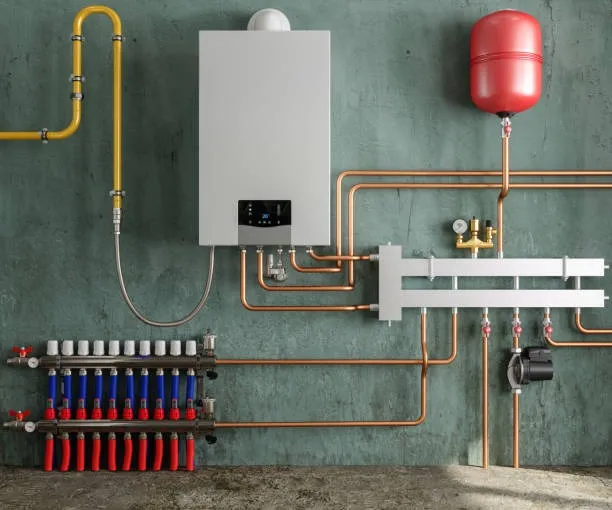
Why replace your water heater now
Many homeowners delay replacement until a catastrophic failure occurs. That approach risks water damage from leaks, higher energy bills, and sudden loss of hot water during winter months when Lithopolis experiences cold temperatures. Early replacement is recommended when units show persistent signs of trouble: frequent repairs, rusty water, loud rumbling from sediment, visible corrosion, or an age greater than the manufacturer’s expected life. Replacing proactively reduces emergency disruption, limits damage risk, and creates an opportunity to upgrade to a more efficient system that better matches your household’s needs.
Common replacement options for Lithopolis homes
Technicians typically evaluate your household demand, space constraints, fuel source, and budget before recommending options. Common choices include:
- Standard tank water heaters — modern tanks with improved insulation and better energy factors than older models. Easier to retrofit if space and plumbing already match.
- High-efficiency tank models — enhanced insulation, improved burners or elements, and lower standby losses. Good fit where consistent hot water demand is moderate to high.
- Tankless (on-demand) water heaters — compact units that heat water as needed, reducing standby losses and often providing longer service life. Particularly attractive for homeowners seeking continuous hot water and space savings.
- Heat pump water heaters — extremely efficient when installed in conditioned or semi-conditioned spaces, offering significant energy savings for electric customers when conditions allow.
Each option has tradeoffs: tankless units sometimes require upgraded gas supply or electrical service and changes to venting, while heat pump models need sufficient installation space and warmer ambient temperatures for peak efficiency. In Lithopolis, with cold winters, technicians will consider location (basement, garage, utility closet) to optimize performance.
How technicians evaluate end-of-life and replacement needs
A thorough assessment includes:
- Visual inspection for rust, corrosion, leaks, and drain valve condition
- Review of performance history: frequency of repairs, temperature variability, and recovery rate
- Sampling for sediment level via tank drain
- Checking anode rod condition when accessible
- Assessing venting, flue integrity, combustion air, and CO safety for gas units
- Evaluating electrical panel capacity and gas line sizing for prospective upgrades
- Verifying space, clearances, and structural access for removal and new unit placement
Technicians will document findings and explain retrofit requirements clearly so you can compare the realistic options for your Lithopolis home.
Venting, plumbing, and retrofit considerations
Many replacements are more than swapping equipment—the installation must meet current codes and function safely:
- Venting: Gas tank and tankless units may require standard atmospheric venting, power venting, or direct venting. Older masonry chimneys or improperly sized vents often need upgrades.
- Gas supply and combustion air: Tankless and high-efficiency gas units may require larger gas lines or dedicated combustion air pathways.
- Electrical service: Electric tankless units frequently require upgraded breakers or dedicated circuits. Heat pump models need 240V circuits and space considerations.
- Plumbing and drain: New units may need relocated water lines, new pressure relief piping, and properly trapped condensate drains for high-efficiency appliances.
- Permits and inspections: Local building codes in Fairfield County typically require permits and inspections. Proper permits ensure safe, code-compliant installations.
Technicians in Lithopolis will outline any retrofit work, timing, and regulatory steps before work begins.
Removal, disposal, and environmental responsibility
Responsible replacement includes safe removal and disposal of the old unit. Common practices:
- Draining and disconnecting utilities with minimal mess
- Transporting the old unit off-site for recycling where accepted
- Disposing of regulated components per local requirements (oil-gas mixtures, refrigerants for heat pumps)
- Providing documentation of disposal when required by local code
Proper disposal protects your property and the local environment and avoids fines for improper handling.
Timelines and what to expect during the replacement
Typical timelines depend on complexity:
- Straight tank-to-tank swaps in an accessible location often take a few hours.
- Upgrades that require vent, gas, or electrical work, or conversion to tankless, can take most of a day or require two visits if additional permits or contractor trades are needed.
- Larger retrofits, such as installing a heat pump or moving the unit to a new location, can extend the timeline.
Technicians will plan work to minimize disruption, protect floors and finishes, and coordinate inspections. They will also explain temporary hot water arrangements if extended work is necessary.
Energy savings and operational benefits
Replacing an old water heater usually reduces energy use and operating costs, with the exact savings depending on fuel type, usage patterns, and the replacement technology:
- High-efficiency gas or electric tank models lower standby losses and run more efficiently than older units.
- Tankless systems eliminate most standby losses and can reduce energy consumption in homes with intermittent hot water demand, often resulting in meaningful annual savings.
- Heat pump water heaters can cut water-heating energy use substantially when installed in suitable spaces.
Technicians will provide estimated energy savings for your specific situation and compare lifecycle benefits, factoring in local energy rates, average household hot water use, and Lithopolis climate effects on performance.
Warranty, aftercare, and maintenance
New water heaters come with manufacturer warranties that vary by product type. Additionally, workmanship warranties may cover installation-related issues for a defined period. Aftercare guidance typically includes:
- Registering the unit with the manufacturer to activate warranties
- Scheduling annual or semi-annual maintenance: flushing to remove sediment, inspecting the anode rod, checking valves and burners, and cleaning condensate drains
- Addressing hard water in central Ohio by considering water softening or more frequent flushing to extend service life
- Monitoring for early signs of problems: noises, temperature changes, or slow recovery
Proper maintenance is one of the most effective ways to preserve warranty coverage and prolong service life.
Steps to minimize downtime and protect your home
To keep disruption low during replacement:
- Clear access to the water heater area ahead of the appointment
- Move fragile or valuable items away from the work zone
- Provide technicians with utility access points and any gate codes if required
- Ask for a project timeline and any likely inspection windows so you can plan hot water needs
- Consider installing a temporary point-of-use electric heater for essential tasks if work will be extended
Technicians will take steps to protect floors and finishes and to leave the work area clean.
Final notes on choosing the right solution for Lithopolis
A properly planned water heater replacement balances immediate needs, long-term operating costs, and local considerations like cold winters and central Ohio water quality. An expert evaluation clarifies end-of-life signs, retrofit requirements, realistic timelines, energy savings potential, warranty coverage, and maintenance needs so your home regains reliable, efficient hot water with minimal disruption. Regular aftercare and attention to local water conditions will maximize the life and performance of your new system.
Hot Deals & Cool Savings

.webp)
New Service Agreement Membership
.webp)
Any New Client Service
Next Service for Referring a New Client
New Service Agreement Membership
Any New Client Service
Next Service for Referring a New Client
.webp)
.webp)

Service Areas
