
Water Heater Installation in Lithopolis, OH
Professional water heater installation in Lithopolis, OH. We size systems, permit, and test for safe operation; schedule your service today.

Water Heater Installation in Lithopolis, OH
Replacing or installing a water heater is one of the most consequential home upgrades for comfort, safety, and energy savings in Lithopolis, OH. Whether you are moving from an old tank to a high-efficiency model, switching to a tankless system, or building new, a professional water heater installation in Lithopolis, OH ensures the system is sized correctly, meets local code, and performs reliably through Ohio winters.
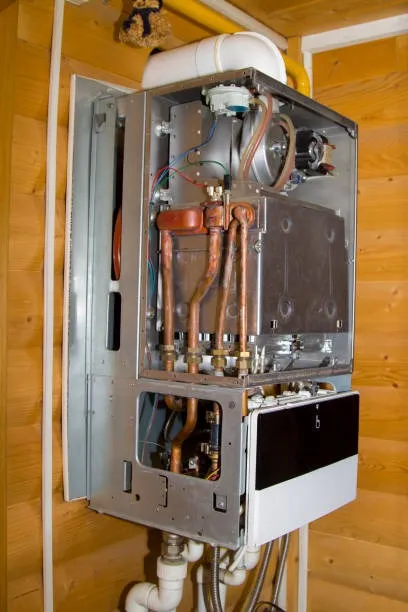
Common water heater installation needs in Lithopolis, OH
- Replacement of failing or leaking tank water heaters.
- Upgrade from conventional tank to tankless or hybrid models for energy savings.
- New installations for home additions or new construction.
- Fuel conversions and line upgrades (electric to gas or vice versa).
- Relocation of equipment for space optimization or code compliance.
- Hard water protection and scale mitigation specific to central Ohio water conditions.
Site assessment and load/sizing calculations
A proper site assessment is the first step in any water heater installation in Lithopolis, OH. The installer will:
- Review household hot water usage patterns: number of bathrooms, simultaneous showers, dishwasher and laundry use.
- Measure incoming ground water temperature, which in Ohio is lower in winter and affects recovery and tankless output.
- Check available fuel source, venting space, electrical capacity, and clearances required by code.
- Calculate required capacity using tank first hour rating (FHR) for storage units and desired flow rate (GPM) plus temperature rise for tankless systems.
Sizing guidance:
- Typical tank sizes: 30 to 100 gallons. Rule of thumb: 1 to 2 people = 30-40 gallons; 2-3 people = 40-50 gallons; 3-4 people = 50-75 gallons; 5+ people = 75-100 gallons.
- Tankless sizing: match peak simultaneous demand. Single shower ~1.5 to 3.0 GPM; whole-house systems often require 6 to 12+ GPM depending on fixtures and incoming water temperature. Cold Ohio groundwater may require higher GPM or larger heating capacity to achieve comfortable outlet temperatures.
Choosing between tank, tankless, and energy-efficient models
- Tank water heaters: lower upfront cost, simple installation, good for households with intermittent high demand. Typical warranties are shorter than tankless.
- Tankless water heaters: compact, longer lifespan, on-demand hot water and lower standby losses. They require adequate fuel delivery, venting, and sometimes upgrades to gas lines or electrical service.
- Hybrid/heat pump water heaters: much higher energy efficiency in moderate climates. Consider if you have space and prefer lower operating costs.
- Energy-efficient units: look for high Uniform Energy Factor (UEF) ratings and consider condensing gas units or high-efficiency electric heat pumps for better long-term savings.
Local considerations for Lithopolis:
- Hard water and mineral content in the region can accelerate scale buildup. For tankless systems especially, plan for water treatment or regular descaling.
- Cold winters mean higher temperature rise requirements. That affects tankless sizing and may favor larger tanks or multi-unit tankless installations for very cold months.
Permits and local code compliance
All installations must meet Ohio plumbing and mechanical code requirements and local ordinances. In Lithopolis this typically involves:
- Obtaining a building or plumbing permit through the Village of Lithopolis or Fairfield County, as required.
- Ensuring venting, combustion air, seismic straps (if applicable), and clearance requirements follow current code.
- Scheduling inspections for gas, electrical, and final plumbing connections.Proper permit handling and inspection documentation protects resale value and ensures insurance compliance.
Typical installation timeline and what to expect
- Initial assessment and written estimate: same-day to a few days.
- Permit submission and approval: a few days to a week depending on local review times.
- Installation day:
- Site preparation and cutting off old system
- Removal and disposal of the old unit
- Rough connections: gas, water, venting, or electrical upgrades
- Final connections, leak and pressure testing, combustion safety checks for gas units
- System startup, thermostat calibration, and demonstration of operationA standard tank replacement is often completed in a single day. Tankless or conversions that need fuel or electrical upgrades can take one to several days.
Pricing and financing options
Price depends on:
- Unit type and capacity (tank vs tankless vs hybrid)
- Fuel type and required upgrades (gas line, venting, electrical service)
- Labor complexity and permitting/inspection fees
- Necessary plumbing or water treatment add-ons for Longevity in hard water areas
Many homeowners use a mix of options: manufacturer-backed financing, contractor payment plans, utility or state rebates for energy-efficient equipment, and home improvement financing. It is important to confirm warranty registration and eligible incentives before purchase.
Warranty coverage and what to verify
- Manufacturer warranties vary: typical tank warranties 6 to 12 years for components, tankless heat exchanger warranties often 10 to 15 years.
- Installer or workmanship warranties cover labor and should be documented separately.
- Verify what voids a warranty, such as improper maintenance or use of untreated hard water without scale prevention.
Post-installation testing and maintenance recommendations
- Immediate testing performed after install: pressure and leak checks, carbon monoxide testing for gas units, flue draft and combustion safety, thermostat verification.
- Ongoing maintenance:
- Tank systems: annual inspection, flushing to remove sediment, anode rod checks every 3 to 5 years.
- Tankless systems: descaling or flushing every 6 to 12 months in hard water areas and filter maintenance.
- Check TPR valve operation annually and verify venting and combustion air paths remain clear.Regular maintenance extends life and preserves efficiency, especially important in areas with hard or cold incoming water like Lithopolis.
Selecting the right capacity for your Lithopolis home
- Start with realistic simultaneous-use scenarios: count showers running at once, dishwasher cycles, and laundry use.
- Consider future needs: family growth, remodeling, or spa-like fixtures that increase demand.
- Factor in Ohio ground water temperatures and hard water effects. When in doubt, opt for a slightly larger capacity or a high-capacity tankless model to avoid cold spells impacting performance.
Choosing the right system and a professional water heater installation in Lithopolis, OH ensures reliable hot water, compliance with local codes, and long-term energy savings. Proper assessment, correct sizing, attention to local climate and water quality, plus scheduled maintenance are the key steps that protect your investment and household comfort.
Hot Deals & Cool Savings

.webp)
New Service Agreement Membership
.webp)
Any New Client Service
Next Service for Referring a New Client
New Service Agreement Membership
Any New Client Service
Next Service for Referring a New Client
.webp)
.webp)

Service Areas
