
Water Heater Replacement in Linden, OH
Water heater replacement in Linden, OH: evaluate repair vs. replacement, explore efficient options, costs, incentives, and scheduling—learn more.

Water Heater Replacement in Linden, OH
Replacing a failing water heater is more than solving cold showers—it's about safety, energy costs, and long-term reliability for your Linden, OH home. Whether you’re weighing repair versus replacement, considering a tankless conversion, or evaluating high-efficiency options.
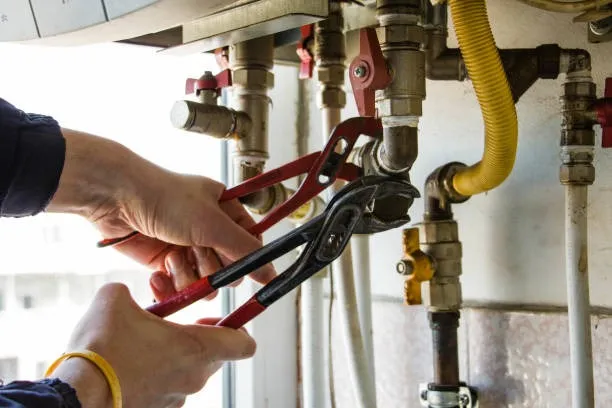
When replacement is recommended
Common signs that a water heater in Linden should be replaced rather than repaired:
- Age: Conventional tanks commonly last 8–12 years; tankless systems often last 15–20 years. Older units are more likely to fail and lose efficiency.
- Leaks or rust: Any active tank leak or visible corrosion around fittings is a strong replacement indicator.
- Frequent repairs: Multiple service calls or a single repair approaching half the cost of replacement usually points to replacement.
- Inconsistent temperatures or rumbling noises: Sediment build-up and failing components degrade performance.
- Discolored water: Brown or rusty hot water suggests tank corrosion and potential imminent failure.
- Rising energy bills: A steady increase in hot water costs can mean the unit is losing efficiency.
Linden’s seasonal cold winters and generally hard water can accelerate wear and sediment accumulation, making timely replacement more important than in milder climates.
How a professional evaluation determines repair vs replacement
A thorough evaluation should include:
- Visual inspection for leaks, corrosion, and venting issues
- Testing thermostats, heating elements, gas valves, and pressure relief valve
- Checking the anode rod and sampling drain water for sediment
- Measuring outlet temperatures and recovery rate
- Estimating remaining life based on age and condition
- A cost comparison: typical rule of thumb—if repair costs approach 50% or more of a reasonable replacement estimate, replacement is usually recommended
This evaluation balances immediate repair savings against longer-term reliability and operating costs.
Replacement options and upgrades (including tankless conversions)
Overview of common replacements and their fit for Linden homes:
- Standard storage tank (gas or electric): Lower upfront cost and straightforward installation. Good for tight budgets or simple swaps.
- High-efficiency storage tank: Better insulation and improved energy factors reduce operating costs while keeping same footprint.
- Tankless (on-demand) water heaters: Provide continuous hot water and lower energy use for many households. Require proper sizing, potential gas line or electrical upgrades, and professional venting. Scale buildup from hard water in Linden may necessitate a water softener or regular descaling.
- Heat pump (hybrid) water heaters: Very efficient in appropriate spaces; work best when installed in unconditioned or warm areas. They can significantly reduce operating costs but need adequate space and may require backup heat in very cold periods.
- Condensing gas and solar-ready systems: Options for specific efficiency goals and long-term fuel savings.
Each option has tradeoffs in upfront cost, installation complexity, space requirements, and performance during cold weather.
Cost estimates and long-term operating costs
Ballpark installed costs (vary by model, capacity, fuel, and local labor):
- Electric storage tank: roughly $600–$1,200
- Gas storage tank: roughly $800–$1,800
- Tankless (gas or electric): roughly $1,500–$3,500+
- Heat pump (hybrid) units: roughly $1,500–$4,000+
Operating costs depend on fuel prices, unit efficiency (UEF/Energy Factor), household hot water demand, and local water temperature. As a general guideline:
- Tankless and heat pump systems can cut energy use 20–50% compared to older conventional tanks in many scenarios.
- Higher-efficiency units often pay back the premium across several years through lower energy bills, but payback varies by usage patterns.
Expected lifespans:
- Conventional tank: 8–12 years
- Tankless: 15–20 years
- Heat pump: 10–15 years
Consider lifetime cost (purchase + installation + operating + maintenance) rather than price alone.
Installation and disposal logistics in Linden, OH
Key installation considerations:
- Permit and code compliance: Local plumbing and mechanical codes typically require permits and inspections.
- Fuel and electrical upgrades: Tankless and heat pump units may require upgraded gas lines, dedicated venting, or increased electrical capacity.
- Space and venting: Gas units need proper venting; heat pumps need space with adequate airflow.
- Timeline: A direct like-for-like swap frequently takes 4–8 hours. Conversions (e.g., tank to tankless or adding venting/electrical work) can take 1–2 days or longer.
- Disposal: Proper disposal and recycling of the old unit is part of the job; some municipalities and recyclers accept scrap metal and refrigerant-containing units under specific procedures.
Coordinate installation timing with seasonal needs—avoiding installation during freezing cold snaps reduces complications with incoming water temperature and freeze protection.
Incentives, rebates, and financing options
Possible ways to reduce upfront cost:
- Utility rebates: Local utilities sometimes offer rebates for high-efficiency water heaters or heat pump models.
- Manufacturer rebates: Periodic promotions can lower purchase costs.
- Federal and state incentives: There may be tax credits or incentives for qualifying high-efficiency equipment—verify current programs before purchase.
- Financing: Many installers or lenders offer low-interest financing, energy-efficiency loan programs, or PACE-style programs where available. Pre-approval may be required for rebates.
Always confirm eligibility and application timing; some rebates require pre-approval or specific installation documentation.
Choosing the right model for your Linden household
Match the water heater to your household needs:
- Household size and peak demand: Use first-hour rating for tanks or required GPM for tankless to size correctly.
- Fuel availability and costs: Choose gas, electric, or hybrid based on local fuel prices and infrastructure.
- Incoming water temperature: Colder ground water in Linden winters reduces tankless output per GN; choose a larger unit or additional capacity to compensate.
- Water quality: Hard water increases scaling—consider a softener or scale mitigation for tankless and high-efficiency units.
- Space and venting constraints: If space is limited, tankless or compact heat pumps may be better; gas tank replacements may be simplest in many basements.
- Warranty and local serviceability: Select models with strong warranties and accessible local service technicians.
Timely replacement improves safety, restores reliable hot water, and can reduce energy costs over the long run. Use the evaluation checklist above to compare repair vs replacement and to select a system that fits both your household’s needs and Linden’s climate realities.
Hot Deals & Cool Savings

.webp)
New Service Agreement Membership
.webp)
Any New Client Service
Next Service for Referring a New Client
New Service Agreement Membership
Any New Client Service
Next Service for Referring a New Client
.webp)
.webp)

Service Areas
