
Tankless Water Heater in Linden, OH
Discover how a tankless water heater in Linden, OH delivers on-demand hot water, energy savings, and space efficiency. Learn more about sizing, installation, and maintenance.

Tankless Water Heater in Linden, OH
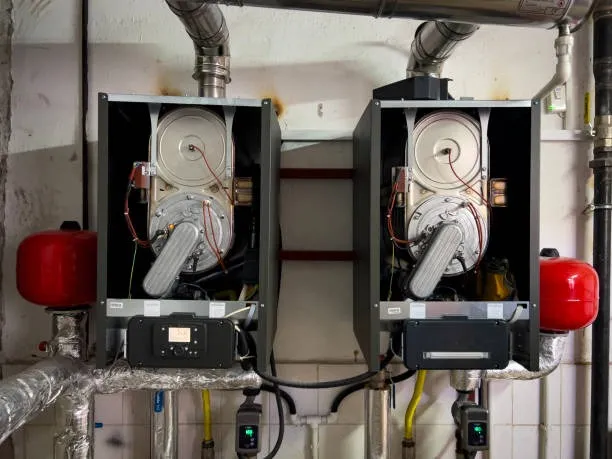
Upgrading to a tankless water heater in Linden, OH brings on-demand hot water, energy and space savings, and longer equipment life compared with traditional tanks. For Linden homeowners dealing with cold Ohio winters, limited utility space, or older plumbing systems, a properly sized tankless unit solves common pain points: running out of hot water, high standby energy loss, and oversized storage tanks in small mechanical rooms.
Why choose a tankless water heater in Linden, OH
- On-demand hot water: Heats water only when you need it, eliminating standby losses common with storage tanks.
- Energy savings: Typical whole-home installations reduce energy use versus conventional tanks, with more pronounced savings for households with intermittent use.
- Space savings: Wall-mounted units free floor space in basements or closets common in Linden homes.
- Longer lifespan: Tankless units generally last 15 to 25 years with routine maintenance, compared with 8 to 12 years for tanks.
- Better performance in winter when properly sized: Linden winters lower incoming water temperature, making correct sizing essential to maintain flow and temperature.
Gas vs Electric tankless units — which is right for your Linden home
- Gas tankless (natural gas or propane)
- Pros: Higher peak flow rates for whole-home use, lower operating cost per unit of heat in many cases, better suited for multiple simultaneous fixtures.
- Cons: Requires venting and adequate gas line capacity; condensing units need proper condensate drainage. Older Linden homes may need a gas line upgrade or meter capacity check.
- Electric tankless
- Pros: Simpler installation with no combustion venting, good option for point-of-use or small whole-home systems. Ideal where gas is not available.
- Cons: High electrical demand for whole-home systems; may require service panel upgrades or multiple 240V circuits. In Linden cold months, electric kW requirements increase due to lower incoming water temperatures.
Sizing and flow rate calculations
Sizing is critical in Linden where winter inlet temperatures can be low. Two factors determine the required unit: flow rate (GPM) and temperature rise (Delta T).
- Estimate GPM needs by adding fixture flow rates:
- Bathroom shower: 1.5 to 2.5 GPM (low-flow 1.5 GPM common)
- Kitchen faucet: 1.0 to 2.0 GPM
- Dishwasher: 1.0 to 1.5 GPM
- Example: Two simultaneous showers at 2.0 GPM each plus a kitchen faucet at 1.5 GPM = 5.5 GPM.
- Calculate Delta T:
- Desired outlet temperature typically 105 F for showers.
- Linden winter inlet temperature can be around 40 F (varies). Delta T = 105 - 40 = 65 F.
- Convert to heating capacity (BTU/hr):
- BTU/hr = GPM x Delta T x 500.
- Example: 5.5 GPM x 65 x 500 = 178,750 BTU/hr. Choose a unit at or above this rating.
- Electric equivalence:
- 1 kW = 3412 BTU/hr. So 178,750 BTU/hr ≈ 52 kW. Many homes cannot supply this without major electrical upgrades. That makes gas units a practical choice for larger Linden households.
When in doubt, run a flow and fixture schedule and consult a pro to avoid undersizing. Undersized units lead to low flow or lukewarm water, especially in cold months.
Installation requirements and potential upgrades
- Permitting and inspections: Local building permits and inspections may be required in Linden. Confirm local code requirements before installation.
- Gas installations: Check gas meter capacity and pipe sizing. Larger tankless units require larger gas lines and possibly a meter upgrade. Proper venting and combustion air are required; condensing units need a condensate drain that will not freeze in winter.
- Electric installations: Electric tankless units often require dedicated 240V circuits and may need a service panel increase. Older Linden homes with 100 amp service may need upgrades.
- Water quality: Central Ohio tends to have moderately hard water. Hard water increases scaling risk. Consider pre-treatment options: water softener, scale inhibitor, or regular descaling schedules.
- Location and clearance: Wall-mounting requires clearances for service access and venting. Units in unconditioned spaces may need freeze protection or insulated piping.
Maintenance and common repair issues in Linden homes
Regular maintenance keeps performance high and preserves warranty coverage.
- Routine maintenance:
- Annual or biannual descaling/flush to remove mineral buildup (more frequent in hard water areas).
- Clean inlet filters and strainers.
- Inspect venting, condensate lines, and gas connections.
- Check for error codes and test safety components.
- Common repairs:
- Mineral scale buildup reducing efficiency and flow.
- Ignition failures or flame sense issues on gas units.
- Flow sensor or pump problems.
- Leaks in water connections or heat exchanger corrosion in neglected units.
- Frozen condensate lines or venting problems in winter if not winterized.
Cost vs ROI analysis
Installation cost varies by unit type, size, and required upgrades (gas line, electrical panel, venting, water treatment). Consider these ROI factors:
- Energy savings: Many homeowners see reduced energy use when replacing an old storage tank, especially if household hot water patterns are intermittent. Whole-home gas tankless systems commonly yield the greatest savings in Linden where winter Delta T is high.
- Reduced maintenance and longer life: Longer service life delays replacement costs associated with storage tanks.
- Space and resale: Freeing mechanical room space and modernizing utilities can add perceived value for Linden buyers.
- Payback period: Typical payback varies widely based on energy prices, usage, and upgrade costs. Many homeowners experience payback in 3 to 8 years when factoring fuel savings and reduced maintenance; homes that require significant upgrades will have longer payback.
Warranty and protecting your investment
Warranties commonly include:
- Heat exchanger warranty: often 5 to 15 years depending on make and model.
- Parts warranty: typically 1 to 5 years.
- Conditions: Manufacturer warranties often require professional installation and regular maintenance records for full coverage. Keep documentation of annual descaling and service to ensure claims are honored.
Local case summary
A Linden home with an older 50-gallon tank experienced frequent cold-weather shortages. A properly sized gas tankless unit, plus a short gas line upsizing and condensate routing, delivered continuous hot water for two simultaneous showers and the kitchen. With annual descaling and a modest gas line upgrade, the homeowners improved hot water reliability, reduced monthly energy costs, and reclaimed basement space.
For Linden, OH homeowners evaluating tankless options, correct sizing, addressing water hardness, and verifying gas or electrical capacity are the most important steps to get reliable, efficient hot water year round. Proper installation and scheduled maintenance protect performance and maximize warranty coverage.
Hot Deals & Cool Savings

.webp)
New Service Agreement Membership
.webp)
Any New Client Service
Next Service for Referring a New Client
New Service Agreement Membership
Any New Client Service
Next Service for Referring a New Client
.webp)
.webp)

Service Areas
