
Water Heater Replacement in Hilltop, OH
Water heater replacement in Hilltop, OH: compare repair vs replace, choose the right system, and schedule installation with warranties.

Water Heater Replacement in Hilltop, OH
Replacing a water heater is a major home decision. In Hilltop, OH, where cold winters increase hot water demand and seasonal temperature swings can accelerate wear, choosing the right replacement approach protects comfort, energy bills, and long-term reliability.
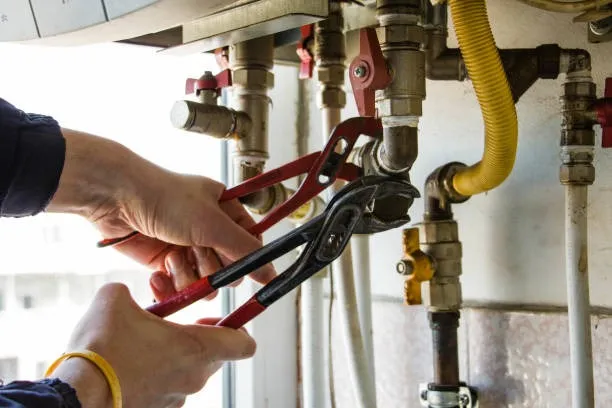
When replacement is recommended
Consider replacement when one or more of the following apply:
- Age: Most traditional tank water heaters last about 8 to 12 years. If your unit is in that range, replacement is often the better long-term investment.
- Corrosion or leaks: Visible rust on the tank, around fittings, or a slow drip are signs the tank itself is compromised. A leaking tank cannot be reliably repaired.
- Frequent breakdowns: Repeated failures, costly component replacements, or long service calls indicate declining reliability and rising repair costs.
- Significant performance loss: If the tank cannot keep up with household hot water demand, or water temperature fluctuates despite thermostat adjustments, the unit may be undersized or failing.
- High energy use: Older units or those with damaged insulation/anode rods use more energy. If energy bills have climbed while usage is steady, efficiency loss may justify replacement.
Repair vs replace: how to evaluate
Ask these questions before deciding:
- Is the problem isolated to a replaceable component (thermostat, heating element, gas valve)? If yes and the unit is relatively young, repair can extend life.
- How old is the unit? Repairs on devices near or beyond expected lifespan are often short-term fixes.
- What will future repair frequency and costs look like? If repairs would be recurring, replacement can lower total ownership cost.
- Do you want improved energy efficiency or capacity? Replacement is the path for upgrading system type or size.
A practical rule: repairs are sensible for single, inexpensive failures on young units. Replacement is recommended when multiple components are failing, the tank is corroded, or the unit is at the tail end of its expected life.
Water heater replacement options for Hilltop homes
Select the system type based on fuel availability, household demand, space, and efficiency goals.
- Traditional tank (gas or electric)
- Pros: Lower upfront cost, reliable delivery of stored hot water.
- Cons: Standby heat loss, larger footprint.
- Best when replacing an existing tank with similar fuel and capacity.
- Tankless (on-demand) water heater
- Pros: High energy efficiency, continuous hot water, smaller footprint.
- Cons: Higher initial cost, may need gas line or venting upgrades, can struggle with simultaneous high demand without proper sizing.
- Well-suited for homes seeking long-term energy savings and space gains.
- Heat pump (hybrid) water heater
- Pros: Very efficient in moderate-to-warm spaces because it moves heat rather than generating it.
- Cons: Slower recovery in very cold conditions and larger space requirements for adequate airflow.
- Best for homeowners prioritizing efficiency and operating primarily in conditioned spaces.
- Indirect water heaters (connected to a boiler)
- Pros: Efficient where a boiler is already in use.
- Cons: Requires compatible heating system.
Sizing matters. Oversized tanks waste energy; undersized systems fail to meet demand. A professional load analysis based on household size, peak simultaneous use, and appliance types is essential.
Energy-efficiency considerations
- Look for high Uniform Energy Factor (UEF) ratings to compare efficiency across models.
- Heat pump and tankless systems offer the biggest efficiency gains, but actual savings depend on usage patterns in Hilltop’s cold climate.
- Insulating exposed hot water lines and setting thermostats to moderate temperatures reduces energy waste.
- Consider potential local utility incentives or rebates for energy-efficient models when evaluating lifecycle cost.
The replacement process (what to expect)
- Inspection and sizing: Confirm existing connections, fuel type, venting, and required capacity. Account for Hilltop’s winter needs and any hard water issues.
- System selection: Choose the model and size based on the inspection and efficiency goals.
- Permits and code compliance: Obtain required permits and ensure installations meet Ohio and local codes, including venting, combustion air, and seismic or anchoring requirements if applicable.
- Old unit disconnect and removal: Safely shut off power/gas and water, drain the tank, and disconnect utilities.
- Installation: Set and secure the new unit, make water, gas, and electrical connections, install required venting, and add pressure-relief and expansion controls where needed.
- Startup and initial checks: Fill the system, purge air, and fire up the unit for the first time.
- Testing and commissioning: Verify operating pressures, combustion safety tests for gas units, thermostat function, and temperature settings.
Cost vs savings comparison (conceptual)
Upfront costs vary by system type and installation complexity. Consider these long-term factors:
- Operating costs: More efficient units typically cost less to operate over time.
- Maintenance and repair risk: Newer systems reduce near-term repair needs and may include warranties that lower lifecycle risk.
- Energy savings timeframe: High-efficiency systems recoup higher upfront costs gradually through lower energy bills.
- Home value and comfort: A reliable, efficient water heater contributes to resale appeal and daily comfort—important in neighborhoods where cold spells increase hot water use.
Disposal and recycling of the old unit
Proper disposal protects the environment and meets local rules:
- Drain and neutralize leftover water and any residual fuel.
- Recover and recycle metals like steel, copper, and brass; many parts are recyclable.
- Remove and dispose of hazardous components like insulation or oil-based residues per local regulations.
- Many local scrap yards or municipal programs accept water heaters for recycling. Confirm Hilltop or county landfill regulations for appliances.
Post-installation testing and warranty coverage
After installation, expect:
- Comprehensive performance testing including temperature verification, pressure-relief valve operation, and safety cutoffs.
- For gas units, combustion and venting tests and carbon monoxide safety checks.
- A walk-through of operation, maintenance tasks (like anode rod checks), and recommended settings.
- Manufacturer and installer warranties: Manufacturer warranties typically cover the tank and major components for a set period. Installer or labor warranties cover workmanship for a separate period. Keep warranty documentation and register the product if required.
Maintenance and long-term benefits
Routine care extends life and efficiency:
- Flush the tank annually or as recommended to reduce sediment and scaling—especially important in areas with hard water.
- Inspect the anode rod and replace when heavily corroded to prevent tank failure.
- Check pressure-relief valves, thermostats, and visible connections periodically.
Replacing a water heater in Hilltop, OH, is an opportunity to improve reliability, reduce operating costs, and tailor the system to local needs. Thoughtful evaluation of repair vs replace, correct system selection, professional installation, and responsible disposal ensures the new unit performs safely and efficiently for years.
Hot Deals & Cool Savings

.webp)
New Service Agreement Membership
.webp)
Any New Client Service
Next Service for Referring a New Client
New Service Agreement Membership
Any New Client Service
Next Service for Referring a New Client
.webp)
.webp)

Service Areas
