
Tankless Water Heater in Hilltop, OH
Tankless water heater installation in Hilltop, OH delivers on-demand hot water, energy efficiency, and space savings. Learn more today.

Tankless Water Heater in Hilltop, OH
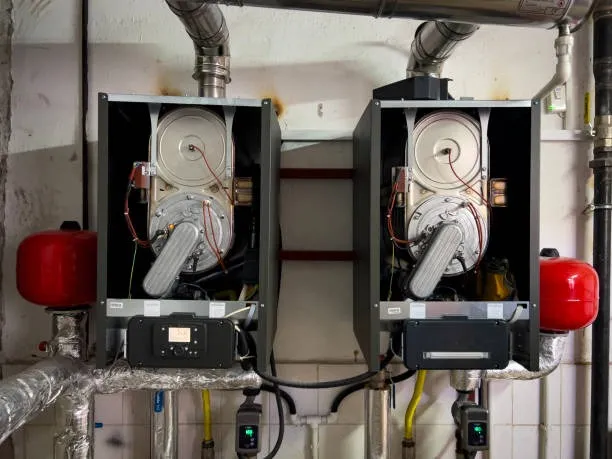
Installing a tankless water heater in Hilltop, OH gives homeowners on-demand hot water, improved energy efficiency, and space savings compared with traditional tank systems. In this climate, where cold winters and mineral-rich water are common, choosing the right tankless system, sizing it correctly, and planning for proper installation and maintenance are essential to reliable year-round performance.
Why a tankless water heater makes sense in Hilltop, OH
Hilltop homes experience cold incoming water temperatures in winter and seasonal demand spikes in family households. A tankless water heater provides:
- On-demand hot water so you do not run out during back-to-back showers.
- Higher energy efficiency because you avoid standby heat loss from a stored tank; this often translates into lower monthly water heating bills.
- Space savings — units are wall mounted and free up basement or closet space in smaller homes.
- Longer service life compared with tanks when maintained properly, which fits well for homeowners planning longer-term upgrades.
Common tankless water heater types and issues in Hilltop, OH
- Gas-fired condensing or non-condensing units: Most common for higher flow needs. Condensing units are more efficient but require condensate drainage.
- Electric tankless units: Simpler venting and installation in homes without natural gas, but they may require significant electrical upgrades for high-demand households.
- Common issues to watch for:
- Mineral scaling from hard water that reduces flow and efficiency.
- Insufficient flow rate during simultaneous use (multiple showers plus dishwasher).
- Inadequate venting or undersized gas lines limiting performance of gas units.
- Cold-weather freeze risk for units installed in unheated spaces.
Sizing guidance: gallons per minute (GPM) and temperature rise
Sizing a tankless system properly is key to avoiding performance problems.
- Estimate demand in GPM by adding typical fixture flows for simultaneous use:
- Shower: 1.5 to 2.5 GPM (low-flow to standard)
- Kitchen sink/dishwasher: 1.5 to 2.0 GPM
- Washing machine: 1.5 to 2.5 GPM
- Bathroom sink: 0.5 to 1.0 GPMAdd the flows for fixtures you expect to run at the same time to get required GPM.
- Calculate temperature rise: Desired delivery temperature (commonly 120F) minus incoming groundwater temperature. In Hilltop, incoming cold-water temps can drop into the low to mid 40s F in winter, so plan for a temperature rise of 70 to 80F for winter peak conditions.
- Match GPM to temperature rise: Tankless performance charts show that higher temperature rises reduce available GPM. Choose a unit rated to deliver your required GPM at the calculated temperature rise.
Fuel type selection: gas, propane, or electric
- Natural gas or propane: Best for higher flow requirements and lower operating costs in many Ohio homes. Ensure gas line capacity and proper venting. Condensing gas units extract more heat and increase efficiency but require proper condensate handling and corrosion-resistant venting materials.
- Electric tankless: Attractive where natural gas is not available. Requires one or more dedicated 240V circuits and may need a service panel upgrade for larger units. Electric units work well for point-of-use or smaller whole-house loads.
- Consider hybrid approaches: Point-of-use electric units for isolated bathrooms and a larger gas whole-house unit for kitchen and laundry can balance cost and performance.
Installation requirements and considerations
- Venting and combustion air: Gas units require approved venting methods (direct vent, power vent, or sealed combustion). Proper vent sizing and termination are critical for safety and efficiency.
- Gas line upgrades: Many older Hilltop homes may need larger diameter gas piping to meet the peak demand of a tankless unit, particularly for multi-bath homes.
- Electrical capacity: Electric models often require substantial amperage; panel capacity and breaker sizing must match manufacturer requirements.
- Condensate drain: High-efficiency condensing units produce acidic condensate and need an appropriate neutralizing or disposal method.
- Permitting and inspections: Local building codes in Hilltop and Highland County govern venting, gas, plumbing, and electrical work. Permits and inspections are typically required for whole-house installations.
- Freeze protection: Units installed in unheated garages, sheds, or exterior walls must be protected against freezing—insulation, tankless models with built-in freeze protection, or installing indoors are common strategies.
Maintenance and lifespan
- Descaling and flushing: Hard water in the Hilltop area accelerates scaling. Annual descaling and flushing is a common recommendation; in harder water conditions, flush every 6 months or install a whole-house water softener or scale inhibitor.
- Filter and inlet screen cleaning: Periodic cleaning prevents reduced flow and premature wear.
- Inspection of venting and condensate: Check for blockages, corrosion, and proper condensate drainage annually.
- Expected lifespan: With routine maintenance, tankless units typically last 15 to 25 years, often outlasting tank-style heaters.
- Performance monitoring: Pay attention to reduced flow, temperature variation, or error codes—these are early signs that maintenance is needed.
Cost and performance comparison with tank systems
- Upfront cost: Tankless units generally have higher initial costs for the equipment and potential installation upgrades (venting, gas line, electrical).
- Operating cost: Because tankless units avoid standby heat loss, many households see lower annual water heating costs. Savings vary by usage pattern but can be substantial for homes with steady hot water demand.
- Space and longevity: Wall-mounted designs save floor space and offer longer useful life, offsetting initial investment over time.
- Return on investment: Best realized in homes with consistent hot water needs and in regions with colder inlet water where savings on reheating a large tank are more pronounced.
Is a tankless water heater right for Hilltop homes?
Tankless systems are a strong option for Hilltop homeowners who want energy efficiency, space savings, and long-term reliability. They are especially well suited for:
- Homes with moderate to high hot water demand or multiple bathrooms.
- Renovation projects where freeing up basement or closet space is valuable.
- Homeowners prepared to manage hard water with a water treatment plan or more frequent maintenance.
They may be less ideal for:
- Homes with very low simultaneous demand where a small tank or point-of-use solution suffices.
- Situations where electrical service cannot be upgraded and gas is unavailable for whole-house performance needs.
Hot Deals & Cool Savings

.webp)
New Service Agreement Membership
.webp)
Any New Client Service
Next Service for Referring a New Client
New Service Agreement Membership
Any New Client Service
Next Service for Referring a New Client
.webp)
.webp)

Service Areas
