
Water Heater Replacement in Hilliard, OH
Water heater replacement in Hilliard, OH: on-site assessment, safe removal and installation, and energy-saving recommendations. Learn more about reliable, code-compliant service.

Water Heater Replacement in Hilliard, OH
Replacing an aging or failed water heater is a critical home improvement for comfort, safety, and long-term savings in Hilliard, OH. Cold winters, periodic freezes, and moderately hard water common to the Columbus metro area all shorten water heater life and increase the risk of leaks or reduced efficiency.
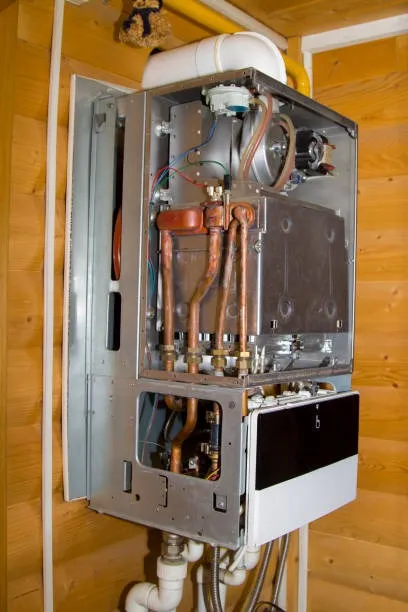
Why replace your water heater now
- Recurrent loss of hot water, discolored water, strange noises, or visible leaks are signs the unit is failing.
- Older tank-style heaters normally last 8 to 15 years; persistent rust or corrosion usually means replacement is safer than repair.
- Upgrading improves energy efficiency and capacity, reduces utility bills through better recovery rates, and minimizes the risk of flooding inside basements or closets during Ohio freeze-thaw cycles.
- Hard water in the region accelerates scale buildup, reducing efficiency and life expectancy. Choosing the right replacement helps address that issue.
Common water heater problems in Hilliard homes
- Tank leaks from corrosion or failed fittings
- Sediment buildup causing popping, reduced heat transfer, and noisy operation
- Pilot light or ignition failures on gas models
- Insufficient capacity for growing household hot water demand
- High energy bills due to low-efficiency older units
- Scale formation on tankless units causing reduced flow and error codes
On-site assessment: what a professional will check
- Unit age, serial number, and visible corrosion or leaks
- Fuel type and supply condition: natural gas line sizing and shutoff, or electrical service amperage
- Venting and flue condition for gas units and combustion air availability
- Water lines, shutoffs, drain pan presence, and floor support
- T&P (temperature and pressure) relief valve condition and discharge routing
- Drainability for safe removal and potential access constraints
- Local code compliance issues: strapping, seismic considerations, and pan drains in basements
Replacement recommendations and choosing a new system
Options typically recommended for Hilliard homes include:
- High-efficiency gas tank water heaters for reliable hot water and lower fuel costs
- Electric tank heaters when gas is not available, with attention to circuit capacity
- Tankless (on-demand) units for endless supply and space savings; best when household demand and venting allow
- Heat pump water heaters where basement or garage space and temperature conditions are suitable, offering high energy savings
- Hybrid approaches paired with water softeners or sediment filters in areas with hard water
Factors guiding the recommendation: household size and usage patterns, available space, fuel availability, existing venting, and local water quality. In Hilliard, installers often suggest either high-efficiency gas tanks or tankless units with water conditioning to counteract hard water scale.
Removal and disposal of the old unit
- The old tank is safely drained and disconnected from gas or electrical supply following safety protocols.
- For gas units, the gas line is capped and tested for leaks. Electrical units are disconnected at the breaker.
- The old heater is removed and responsibly disposed of or recycled. Metal recycling options are often used to minimize landfill impact.
- Any contaminated insulation or damaged nearby materials are evaluated and noted for repair.
Installation process
- Site preparation: leveling, pan placement, and required strapping or seismic restraints.
- Fuel and electrical hookups: correctly sized gas lines, proper venting installation or electrical wiring upgrades as needed.
- Plumbing connections: use of dielectric unions, T&P valve installation, proper drainage, and expansion tank where code requires.
- Commissioning: leak tests, combustion and draft testing for gas units, temperature setting (commonly 120 F for safety and efficiency), and demonstration of basic operational checks.
- Final inspection readiness: installers prepare documentation for municipal inspection if a permit is required.
Permits and code considerations in Hilliard, OH
- Most water heater replacements require a plumbing permit through the City of Hilliard or Franklin County building department. Permit requirements can include inspections for plumbing, gas, and venting.
- Code compliance items commonly checked: T&P valve discharge routing, seismic strapping (if applicable), approved venting materials, and proper clearances around the unit.
- Replacing with a different type of heater (for example, converting from tank to tankless) may trigger additional electrical or gas permits and inspections.
Cost breakdown and factors that affect price
Typical cost components:
- Equipment cost: the heater itself (varies widely by type and efficiency)
- Labor: removal, installation, plumbing and venting work, and testing
- Materials: vents, fittings, pans, expansion tanks, dielectric unions
- Permit and inspection fees charged by local authorities
- Disposal and recycling fees for the old unit
- Additional upgrades that increase cost: gas line resizing, electrical panel or circuit upgrades, new venting or chimney work, water softener or sediment filtration installation
Cost variability depends on the model chosen and the complexity of the installation. Straight swap-outs in accessible locations are usually same-day jobs with lower labor expense. Retrofits, venting changes, or fuel conversions increase labor and permit scope.
Expected timelines
- Simple replacement (same-type swap) for an accessible unit: typically completed in one business day.
- Replacements requiring venting modifications, gas or electrical upgrades, or larger retrofits: 1 to 3 days depending on inspections and subcontracted work.
- Permit issuance and municipal inspection scheduling can add time; plan for potential wait days for inspections in busy periods.
Aftercare and maintenance guidance
- Annual maintenance is essential: flush the tank yearly to remove sediment, inspect the anode rod and replace every 3 to 5 years as needed, and test the T&P valve.
- For tankless units, schedule descaling every 1 to 2 years in hard water areas; consider a water softener to extend unit life.
- Keep the temperature set at about 120 F for safety and energy savings while reducing scale formation.
- Check for small leaks or dripping pan drains seasonally, and ensure combustion air vents remain clear on gas units.
- Maintain records of the model, serial number, and warranty information in case of future service needs.
Hot Deals & Cool Savings

.webp)
New Service Agreement Membership
.webp)
Any New Client Service
Next Service for Referring a New Client
New Service Agreement Membership
Any New Client Service
Next Service for Referring a New Client
.webp)
.webp)

Service Areas
